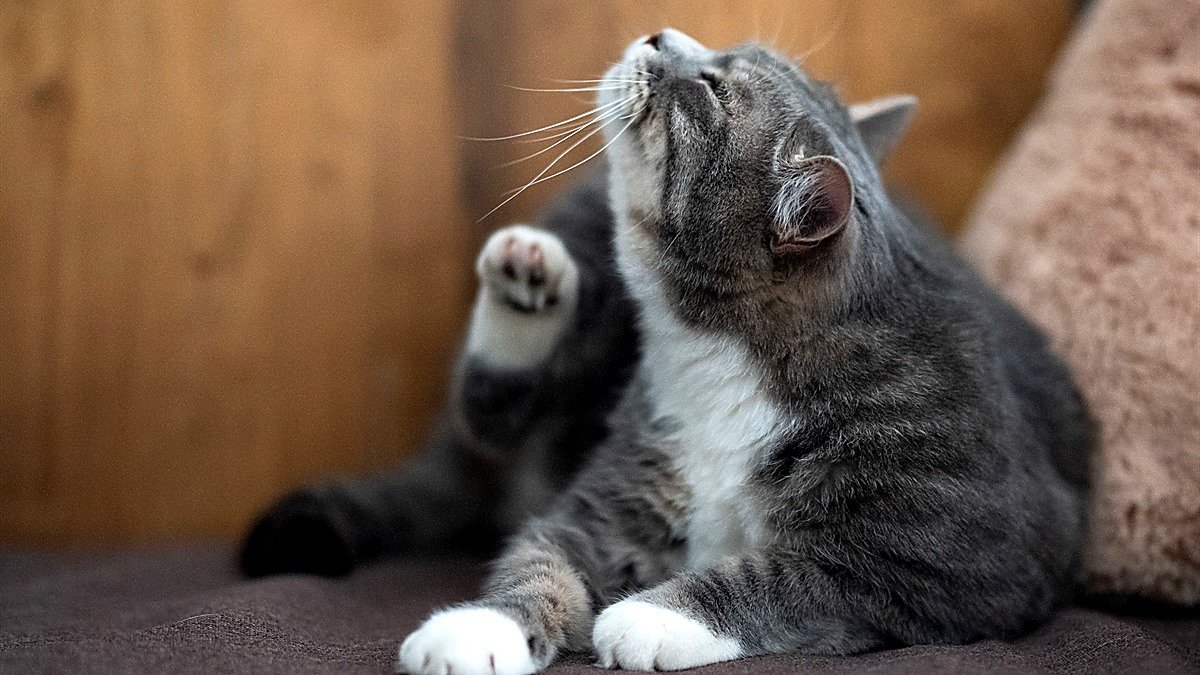
A cat scratching ears without mites is a frustrating puzzle for many owners. You may have checked for the dark, coffee-ground debris that mites leave behind, or your vet may have already ruled them out, yet your cat keeps pawing at one or both ears and shaking her head.
Ear mites are a common cause of itchy ears in cats, but they are far from the only reason for a cat scratching ears without mites. This guide walks through the other likely causes, the signs that help tell them apart, what your vet will check, and what you should avoid doing at home.
Why Mites Get Blamed First
According to VCA Animal Hospitals, ear mites are the most common cause of ear infections in cats. That is why many owners assume every itchy ear means mites.
VCA also notes that bacterial and yeast ear infections are less common in cats than in dogs, and that ear problems in cats are often linked to an underlying cause such as allergies, polyps, or tumors. So when you see a cat scratching ears without mites, the next step is to look for one of those deeper causes.
It is also worth knowing that mites can be missed at home. They are tiny, and the debris they leave can look like ordinary wax. Your vet can check a sample from the ear canal under a microscope to confirm whether mites are present.
7 Common Causes of a Cat Scratching Ears Without Mites
1. Allergies
Allergies are one of the most common reasons for a cat scratching ears without mites. Cats can react to environmental triggers such as pollen, dust mites, and mold, to flea bites, or to ingredients in their food.
An allergic cat scratching ears without mites often itches in other places too. Watch for scratching around the face, head, and neck, overgrooming, thinning fur, or small scabs along the back. Some allergic cats also sneeze. If your cat tends to sneeze around mealtimes, our guide on why a cat sneezes after eating may help you spot a pattern.
2. Fleas
Fleas do not live in the ear canal the way mites do, but flea bites around the head and neck can make a cat scratch near the ears. A cat that is allergic to flea saliva may itch intensely even from a few bites. Check the base of the tail and the neck for flea dirt, which looks like tiny black specks that turn reddish when placed on a damp paper towel. Fleas are easy to miss in a cat scratching ears without mites, so check even indoor cats.
3. Bacterial or Yeast Infection
Even though these infections are less common in cats than in dogs, they do happen, often after the ear canal has been irritated by allergies or other problems. Infected ears may smell bad, look red and swollen, and produce yellow, brown, or black discharge. A cat scratching ears without mites that also has a smelly ear should see a vet soon.
4. Foreign Objects
Grass seeds, plant material, or small bits of debris can work their way into the ear canal, especially in cats that go outdoors. A foreign object often causes sudden, intense scratching and head shaking in one ear only. The Merck Veterinary Manual lists foreign objects among the known causes of external ear infections in cats.
5. Polyps or Growths
Inflammatory polyps are benign growths that can develop in a cat’s ear or at the back of the throat, and they are seen more often in young cats. Tumors can also occur, especially in older cats. Growths may cause ongoing discharge, head tilting, or ear infections that keep coming back. Medication alone will not fix a polyp or growth, so a cat scratching ears without mites for weeks needs a closer look.
6. Middle Ear Infection
Sometimes an outer ear problem spreads deeper, or a middle ear infection develops on its own. Signs can include a head tilt, loss of balance, walking in circles, or drooping on one side of the face.
7. Skin Conditions and Stress
Fungal skin infections such as ringworm can cause scaly, itchy patches on the ears and face. Some cats also overgroom or scratch when stressed. Stress should only be considered after medical causes have been ruled out, since treating a hidden infection as a behavior problem can let it get worse.
Signs That Help Narrow It Down
Here is how the common causes of a cat scratching ears without mites tend to differ:
| Cause | One Ear or Both? | Other Common Signs |
|---|---|---|
| Allergies | Usually both | Itching on face, neck, or body; overgrooming |
| Fleas | Both | Flea dirt; scratching around neck and tail base |
| Bacterial or yeast infection | One or both | Bad smell, redness, discharge |
| Foreign object | Usually one | Sudden onset, intense head shaking |
| Polyp or growth | Usually one | Ongoing discharge, repeat infections, head tilt |
| Middle ear infection | Usually one | Head tilt, balance problems, facial drooping |
| Skin condition | One or both | Scaly patches, hair loss around ears |
Many causes overlap, so only an exam can confirm why you see a cat scratching ears without mites.
Indoor Cats vs. Outdoor Cats
Where your cat spends time changes which causes are most likely. Outdoor cats are more likely to pick up grass seeds, fleas, ticks, and fight wounds around the ears. For an outdoor cat scratching ears without mites, a foreign object or a bite wound should be high on the list.
Indoor cats are not immune. Fleas can hitch a ride indoors on people or other pets, and dust, mold, and household products can trigger allergies. For an indoor cat scratching ears without mites, allergies and skin conditions are often the first things vets investigate.
How Long Does It Take to Find the Cause?
Some causes are found on the first visit. A foreign object, a clear infection, or a flea problem can often be spotted right away. Allergies take longer. A food allergy trial usually means feeding a special diet with nothing else for several weeks, and environmental allergies may need further testing.
A cat scratching ears without mites that keeps relapsing usually has an underlying cause that has not been found yet. Rechecks help your vet see whether treatment is working and whether the ear canal is healing.
Preventing Future Ear Problems
You cannot prevent every ear issue, but a few habits help:
- Keep all pets on year-round flea prevention recommended by your vet
- Follow through on allergy management if your cat has been diagnosed
- Finish every course of ear medication, even if the itching stops early
- Go to recheck appointments, since an ear can look better before the infection is fully gone
These steps make it less likely you will see a cat scratching ears without mites again after treatment.
What Your Vet Will Check
When you bring in a cat scratching ears without mites, your vet will usually:
- Look into the ear with an otoscope to check the canal and see whether the eardrum is intact
- Take a sample of ear debris and examine it under a microscope, which VCA describes as essential for choosing the right medication
- Check the skin and coat for fleas, allergies, or skin disease
- Ask about diet, other pets, and outdoor access
- Recommend further tests, such as a culture, imaging, or a food trial, if the problem keeps returning
VCA notes that nearly all ear infections in cats can be cured once they are diagnosed and treated, although several recheck visits may be needed.
What Not to Do at Home
It is tempting to try something from the pet store or the kitchen, but some home treatments can make things worse.
- Do not use over-the-counter ear drops without a diagnosis. VCA warns that some medications can cause hearing loss if the eardrum is ruptured.
- Do not pour hydrogen peroxide or vinegar into the ear. The Merck Veterinary Manual advises against these home remedies because they can irritate inflamed ear canals.
- Do not push cotton swabs into the canal. They can pack debris deeper or injure the ear.
- Do not assume it is mites and treat for them again and again. Repeated mite treatments will not help a cat scratching ears without mites.
Helping Your Cat at Home While You Wait
Until you can see your vet, you can make a cat scratching ears without mites more comfortable:
- Keep your cat’s nails trimmed to reduce scratch injuries
- Gently wipe only the outer ear flap with a damp cloth if there is visible debris
- Use a vet-recommended flea preventive for all pets in the home
- Write down when the scratching started, which ear is affected, and any changes in diet or environment
Older cats can hide discomfort well, so ongoing ear scratching in a senior cat deserves attention. Our list of signs a senior cat is in pain can help you spot other subtle changes.
When to See a Vet Right Away
Book an urgent visit if your cat scratching ears without mites also shows:
- A head tilt, loss of balance, or walking in circles
- Bleeding, swelling of the ear flap, or open wounds from scratching
- A strong smell or thick discharge
- Signs of pain when you touch the ear or head
- Changes in appetite, energy, or behavior
A swollen, puffy ear flap may be an aural hematoma, a pocket of blood that can form after heavy scratching or head shaking. It needs veterinary treatment.
Frequently Asked Questions
Why does my cat keep scratching her ears if the vet found no mites?
Allergies, fleas, infections, foreign objects, and growths are all possible. Your vet may need to look for an underlying cause if the problem keeps coming back.
Can food allergies cause a cat scratching ears without mites?
Yes. Food allergies can cause itching around the ears, face, and neck. A vet-guided elimination diet is the usual way to test for them.
Is ear scratching without mites an emergency?
Usually not, but a head tilt, balance problems, bleeding, or a swollen ear flap should be seen promptly.
How can I tell if it is mites or something else?
Mites often leave dark, crumbly debris, but other problems can look similar. Only a vet’s microscope check can confirm whether you are dealing with mites or a cat scratching ears without mites for another reason.
Can I clean my cat’s ears myself?
Only the outer ear flap, and only with a product or method your vet recommends. Avoid putting anything deep into the ear canal.
This article is general information and not a substitute for veterinary advice. Do not put drops, peroxide, or vinegar in your cat’s ears without a vet’s diagnosis. If your cat has a head tilt, balance problems, or a swollen ear flap, contact a veterinarian promptly. Last verified September 2026.
Sources
- Cornell Feline Health Center, Ear Mites: ear mites and the complications of ear problems in cats.
- VCA Animal Hospitals, Ear Infections in Cats (Otitis Externa): outer ear infections in cats.
