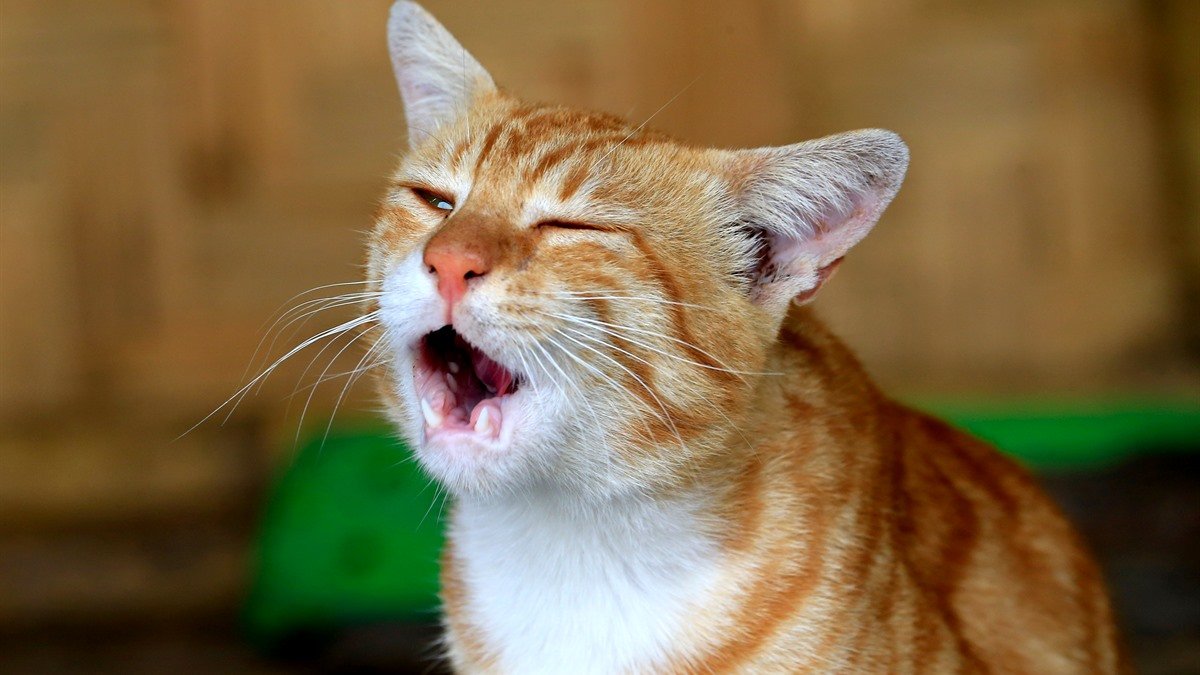
When a cat sneezes after eating, it usually looks alarming for about two seconds and then it’s over, and your cat walks off as if nothing happened. In many cases nothing is wrong. But because one of the possible causes is a dental problem that quietly gets worse, the pattern is worth understanding rather than brushing off.
This guide covers the most common reasons a cat sneezes after eating, how to tell a harmless habit from a warning sign, and exactly when a vet visit is the right call.
Quick Answer
- A cat sneezes after eating most often because of eating too fast, dust or other irritants, or reverse sneezing
- A less common but important cause is dental disease in the upper teeth, whose roots sit close to the nasal passages
- If a cat sneezes after eating occasionally with no other symptoms, it’s often harmless, but a pattern that repeats every meal deserves a vet check
- Nasal discharge, appetite loss, bad breath, pawing at the face, or sneezing that lasts more than a few days are reasons to call the vet
- Slowing down your cat’s eating and reducing dust can help with the harmless causes
Why a Cat Sneezes After Eating: The Short List
| Possible Cause | What It Looks Like | Concern Level |
|---|---|---|
| Eating too fast | Quick sneeze or snort right after gulping a meal | Low |
| Dust or irritants | Sneezing when dry food is poured or when scented products are nearby | Low |
| Reverse sneezing | Short episode of rapid, noisy inhaling | Low if it’s brief and rare |
| Dental disease | Sneezing during or after meals, often with bad breath or nasal discharge | High, needs a vet |
| Foreign material | Violent, repeated sneezing, sometimes with pawing at the nose | Medium to high |
| Upper respiratory infection | Sneezing all day, discharge, red eyes | Medium, needs a vet |
Eating Too Fast: The Most Common Reason a Cat Sneezes After Eating
When a cat sneezes after eating, the simplest explanation is speed. Cats that wolf down a meal can pull air and tiny food particles toward the back of the nose and throat, which triggers a quick sneeze. It’s especially common in cats that compete for food, cats that only get one or two large meals, and cats that are extremely food-motivated.
If your cat sneezes after eating only when she gulps, and she is otherwise eating well, breathing normally, and acting like herself, this is a very plausible and harmless explanation. It’s also easy to test: slow the meal down and see whether the sneezing stops.
Dust and Irritants: Why a Cat Sneezes After Eating Dry Food
Dry kibble can create a fine dust when it’s poured, and cats have sensitive noses. Hill’s Pet lists dust, cigarette smoke, spices, cleaning products, and scented candles among the everyday irritants that can make a cat sneeze. It’s reasonable to think a cat that sneezes after eating dry food may be reacting to kibble dust, though this is an inference rather than something a vet can test for.
A few small changes can help you check:
- Pour kibble slowly into a bowl instead of dumping it from a height
- Wash the bowl regularly so old crumbs and residue don’t build up
- Keep scented candles, sprays, and strong cleaners away from the feeding area
- Try a different food texture to see whether the sneezing changes
Reverse Sneezing: Another Way a Cat Sneezes After Eating
Reverse sneezing looks stranger than it is. According to PetMD, during a reverse sneezing episode a cat’s throat squeezes and the muscles of the mouth spasm as the cat rapidly inhales to clear an irritant, and an episode typically lasts less than a minute. The listed triggers include eating and drinking quickly and overexcitement, along with allergens, smoke, nasal polyps, and nasal mites.
PetMD also notes that reverse sneezing is more common in dogs than in cats. That makes it a less likely explanation than in a dog, but it’s still worth knowing about, particularly because it can resemble choking. If it’s the first time you’ve seen it, PetMD advises having your vet take a look, and recording a video of any repeat episode is one of the most useful things you can bring to that visit. You can read more in PetMD’s guide to reverse sneezing in cats.
Dental Disease: Why a Cat Sneezes After Eating Every Meal
When a cat sneezes after eating on a regular basis, dental disease is the cause vets most want to rule out. The roots of the upper teeth sit very close to the nasal passages. Dr. Dudley, writing in Catster’s vet Q&A, explains that when infection or inflammation affects the upper teeth, most often the premolars and canines, the tissue separating the roots from the sinuses can be damaged or penetrated. That creates an abnormal opening called an oronasal fistula.
Once that opening exists, food can travel into the nose. Catster’s vet notes that sneezing may be noticed at mealtimes because food may enter the sinuses. Other signs include nasal discharge, bad breath, and facial swelling. Diagnosis usually involves dental radiographs, and treatment typically means extracting the problem tooth and cleaning the area, sometimes with surgical repair. You can read the full explanation in Catster’s answer on whether infected teeth cause sneezing.
An older cat that sneezes after eating is especially worth watching, since dental pain often shows up as a change in eating habits rather than obvious distress. Our guide to the signs a senior cat is in pain covers how subtle those changes can be.
Something Stuck in the Nose: A Rarer Reason a Cat Sneezes After Eating
Foreign material, such as a blade of grass or plant matter, can lodge in a cat’s nasal passage. Peak Veterinary notes that inhaled plant material or dried secretions can become lodged in the nose. That usually produces more dramatic signs than a single post-meal sneeze: repeated, forceful sneezing, pawing at the face, and sometimes discharge or blood. If that describes your cat, it needs a vet rather than home experiments.
Infections: When a Cat Sneezes After Eating and All Day Too
Feline herpesvirus and calicivirus are thought to cause most upper respiratory infections in cats, according to Peak Veterinary. Sneezing from an infection isn’t limited to mealtimes, though, and it typically comes with nasal discharge, watery or red eyes, and sometimes a lowered appetite. If your cat sneezes all day and not only after meals, this becomes a more likely explanation than anything food-related.
How Often a Cat Sneezes After Eating Is Normal
Hill’s Pet describes normal sneezing in cats as generally limited to a couple of times a day, without nasal discharge. If your cat sneezes after eating once a day, that falls within that range, but the pattern matters as much as the count. Sneezing that always happens at the same point, right after eating, and that happens every day is more informative than random sneezing scattered through the day, and it’s exactly the pattern to raise with your vet.
What to Try at Home When a Cat Sneezes After Eating
If your cat sneezes after eating but seems otherwise healthy, a few low-risk changes can help you learn more:
- Slow the meal down. Use a wide, shallow bowl, a slow-feeder, or a puzzle feeder.
- Split the portions. Several smaller meals are easier to eat calmly than one large one.
- Separate cats at mealtime. Competition often causes gulping.
- Cut the dust. Pour dry food gently and wash the bowl often.
- Keep a log. Each time your cat sneezes after eating, note the time, what she ate, and whether it happens with wet food, dry food, or both.
If your vet finds a dental problem and recommends changing textures while your cat heals, our roundup of the best cat foods with gravy is a helpful starting point for softer options.
When to See the Vet if a Cat Sneezes After Eating
Call your veterinarian if the sneezing after eating comes with any of these:
- Nasal discharge of any color or blood
- Bad breath, drooling, or dropping food while chewing
- Reduced appetite or weight loss
- Pawing at the face or nose
- Facial swelling
- Open-mouth breathing, coughing, or lethargy
- Sneezing that lasts more than a few days or keeps getting worse
Even without those signs, a cat that sneezes after eating at nearly every meal for more than a week or two should see a vet, mainly to check the teeth.
What the Vet Does When a Cat Sneezes After Eating
The exam usually starts with the mouth and nose. A vet may recommend dental radiographs to look below the gumline. Peak Veterinary notes that diagnostic approaches for stubborn nasal problems can include rhinoscopy, imaging, and treatment trials, and that a specialist can perform an endoscopic evaluation of the nasal passages while the cat is anesthetized. Most cats who sneeze after meals will never need anything that involved, but it helps to know what the options are.
Cat Sneezes After Eating: The Bottom Line
An occasional sneeze after a fast meal is normal for many cats. A cat that sneezes after eating regularly, or that shows any of the warning signs above, needs a veterinarian’s attention, with the mouth first on the list of things to check. Slowing down meals, cutting dust, and keeping a simple log are safe places to start, but they’re a supplement to a vet visit, not a substitute for one.
FAQ
Is it normal when a cat sneezes after eating?
Occasionally, yes. An occasional sneeze after a fast meal is common and usually harmless, but sneezing after nearly every meal deserves a vet check.
What does it mean if my cat sneezes after eating dry food?
Possible reasons include eating too fast, dry food dust, or an underlying problem like dental disease. Dust is a reasonable suspect, but it isn’t something a vet can confirm.
Can dental disease be why a cat sneezes after eating?
Yes. Infection near the upper tooth roots can create an opening between the mouth and the nasal passages, letting food enter the sinuses and trigger sneezing, according to a Catster veterinarian.
Should I worry if my cat sneezes after eating wet food?
The same causes apply. Wet food doesn’t create dust, so if the sneezing continues with wet food, dental disease or another medical cause becomes more likely and a vet visit is a good idea.
When should I see a vet if my cat sneezes after eating?
If there’s nasal discharge, appetite loss, bad breath, facial pawing, or the sneezing lasts more than a few days.
This article is general information and not a substitute for veterinary advice. If your cat is sneezing repeatedly or showing other symptoms, see your veterinarian. Last verified September 2026.