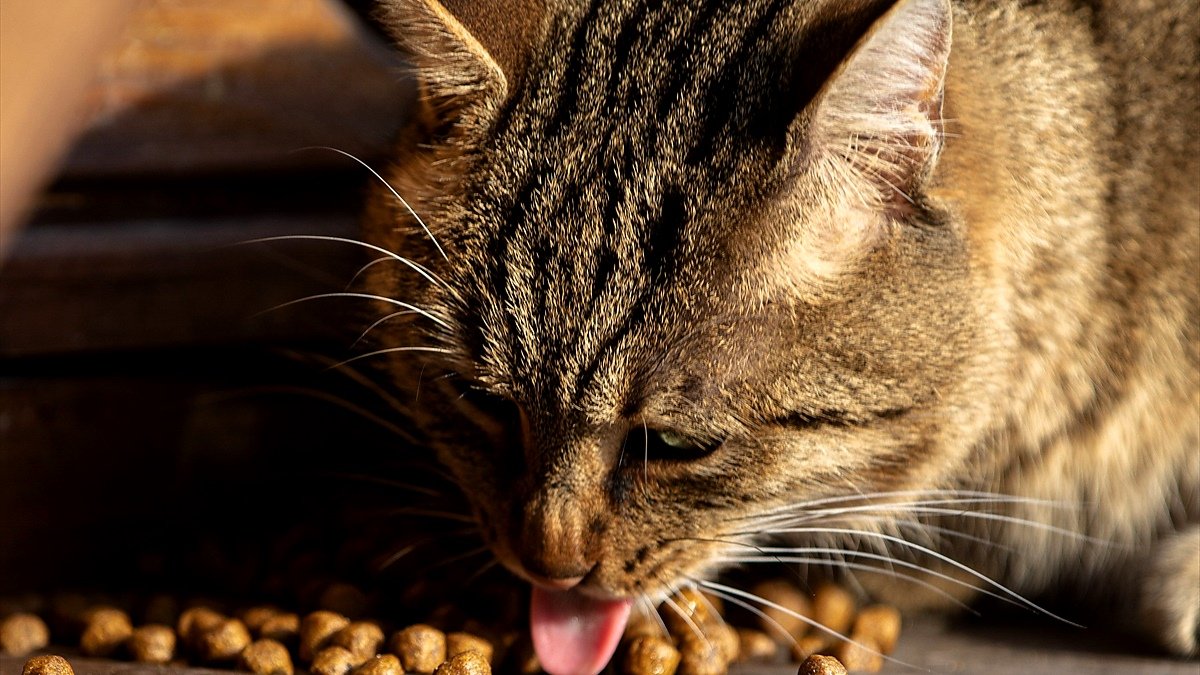
A cat runny nose but eating normally is a common combination, and it is often less alarming than it looks. A cat runny nose but eating well, playing and grooming usually points to a mild irritation or an early cold-type infection, not an emergency. Still, a cat’s nose can tell you a lot, and a few specific changes mean it is time to stop waiting. This guide explains what is usually going on, what the discharge color means, what you can do at home, and which signs should send you to the vet.
Quick answer: A cat runny nose but eating, drinking and acting normal can usually be watched at home for a few days. Call your vet if it lasts 7 to 10 days or more, turns thick yellow or green, or runs from one nostril only.
Why a cat runny nose but eating normally is a good sign
Appetite is one of the most reliable health signals in cats. A sick cat that cannot smell its food often stops eating, and a cat in real discomfort tends to withdraw. So when you have a cat runny nose but eating with the usual enthusiasm, your cat’s sense of smell, energy and general comfort are probably holding up.
That does not make the runny nose meaningless. It means you are likely at the start of the story, not the end. Many cases of a cat runny nose but eating fine are the first day or two of a mild viral illness, which can worsen or fade depending on the cat. The goal is to watch the right things while you wait.
Common causes of a cat runny nose
The veterinary site WebVet lists these main causes:
- Feline upper respiratory infection (URI): the most common cause, typically from feline herpesvirus or calicivirus.
- Allergies and environmental triggers: pollen, dust, mold, smoke and scented litter.
- Foreign bodies: grass or seeds lodged in the nose.
- Dental disease: an infected tooth root draining into the nasal passage.
- Polyps or growths: more common in older cats.
Notice that most of these can leave a cat feeling reasonably well, which is why a cat runny nose but eating normally is such a common description. A cat with a URI or an allergy often keeps its appetite. A cat with a foreign body or dental problem may also eat, though it may paw at its face or favor one side.
What the discharge color tells you
Color is the quickest clue you can read without a vet. WebVet breaks it down like this:
| Discharge | What it can mean |
|---|---|
| Clear or watery | Early viral infection or allergy |
| Thick yellow or green | Secondary bacterial infection |
| Bloody | Trauma, foreign body or a severe infection |
A cat runny nose but eating with clear, watery discharge sits in the least worrying row, which fits the idea that you may be at the early stage. Thick yellow or green discharge changes the picture. It suggests bacteria have joined the infection, and a vet visit is the right next step even if your cat is still eating.
How long can you wait?
For a cat runny nose but eating and acting normal, WebVet says most cases resolve in one to two weeks with rest and supportive care, though some persist longer and need veterinary help. It lists a routine vet visit as appropriate if symptoms last 7 to 10 days or more.
In practice, that gives you a simple timeline:
- Days 1 to 3: Watch closely. Track appetite, energy and the discharge color.
- Days 4 to 7: Improvement is a good sign. If the nose is the same or worse, plan a call to your vet.
- Day 7 to 10 and beyond: A cat runny nose but eating that has not cleared by now deserves an appointment.
Signs that mean stop waiting
A cat runny nose but eating is only reassuring while everything else stays normal. WebVet lists the following as reasons for a routine vet visit:
- Symptoms lasting 7 to 10 days or more
- Discharge that turns thick or colored
- Discharge from one nostril only
- Reduced appetite or lethargy
The one-nostril point is easy to miss. Discharge from only one side can suggest something lodged in that nostril, which is why it belongs on the “call your vet” list even when your cat is eating.
It also lists emergency signs, which mean go now:
- Open-mouth or labored breathing
- Not eating for 24 hours or more, along with lethargy
- A swollen face
- Blue or gray gums
If your cat shows any of these signs, do not wait to see whether the cat runny nose but eating pattern returns.
Home care that helps
For an otherwise normal cat, WebVet suggests supportive care at home:
- Add humidity with a steamy bathroom or a humidifier.
- Gently wipe the nose and eyes with a warm cloth.
- Warm the food slightly to make it smell stronger and encourage eating.
- Offer fresh water.
- Remove irritants such as smoke and sprays.
Humidity and warm food are the two that most owners notice working for a cat runny nose but eating. A congested cat eats better when its food smells stronger, so a few seconds in the microwave (then stirred and cooled to just warm) can help.
Do not reach for your own medicine cabinet. WebVet states plainly that human cold medicine is toxic to cats. If you are tempted to give anything beyond supportive care, call your veterinarian first.
A quick checklist for a cat runny nose but eating
Before you decide, run through five checks. Is the discharge clear? Is it coming from both nostrils? Is your cat drinking and eating as usual? Is its breathing quiet with the mouth closed? Has it been less than a week? If every answer is yes, a cat runny nose but eating pattern can usually be watched at home. If any answer is no, move to a vet call sooner. Write the date on the day you first noticed it, because owners often misjudge how long a cat runny nose but eating has really lasted.
Sneezing, snot and other things that get mixed up
Owners often describe several different things as “a runny nose.” A cat that sneezes only while eating may be reacting to food or a nasal tickle, not a respiratory illness, and our article on why a cat sneezes after eating covers that separate pattern. A cat that wipes its nose with a paw is not necessarily producing more mucus; it may be reacting to an itchy nose from dust or litter.
What your vet may do
If you do book an appointment, expect a physical exam and questions about when it started, whether other cats are in the home, and vaccine status. Your vet may check the teeth and look into the mouth, because dental disease is among the causes WebVet lists. For a cat runny nose but eating normally that has dragged on, the vet may suggest further testing to look for a stuck object or a growth. Treatment depends on the cause. A viral URI is mostly supportive care, while a bacterial infection or a dental problem needs specific treatment from the vet.
For a senior cat or one with a history of breathing problems, a cat runny nose but eating is still worth a phone call. Tell the vet about home changes too: a new litter, a new cleaning product, a new cat, recent boarding or a recent move.
Keeping other cats and the home safe
A cat runny nose but eating well could still be contagious if a virus is behind it. If you have more than one cat, watch the others for sneezing or discharge, give the sick cat its own bowls, and wash your hands after handling it. Clean bowls and the litter box regularly, and avoid scented litters or sprays that can irritate a sensitive nose.
For older cats, a runny nose that keeps returning is worth taking seriously because polyps and growths become more common with age. Subtle changes in behavior, such as hiding or sleeping more, can also hint at pain or illness, as we explain in our guide to the signs a senior cat is in pain.
Related reading: cat scratching ears without mites
How we checked this
We read WebVet’s guide to cat sneezing and runny nose in full and took the causes, discharge colors, timelines and warning signs from it. We did not test anything ourselves, and this is general information, not a diagnosis.
FAQs
Is a cat runny nose but eating normally an emergency?
Usually not. A cat runny nose but eating, drinking and acting normal is not an emergency, and it can often be watched at home for a few days. Emergency signs are open-mouth breathing, a swollen face, blue or gray gums, or no eating for 24 hours with lethargy.
How long does a cat runny nose last?
WebVet says most cases resolve in one to two weeks with rest and supportive care, though some last longer and need a vet. If it lasts 7 to 10 days or more, book an appointment.
What does clear discharge mean in a cat runny nose but eating case?
Clear or watery discharge is linked to an early viral infection or an allergy, according to WebVet. Thick yellow or green discharge suggests a secondary bacterial infection.
Why is only one nostril running?
Discharge from one nostril can point to a foreign body such as a grass seed, or to another local problem. WebVet lists it as a reason for a vet visit.
Can I give my cat human cold medicine?
No. WebVet says human cold medicine is toxic to cats. Use supportive care such as humidity and warm food, and ask your vet before giving any medication.
Can a cat runny nose but eating be an allergy?
Yes. Pollen, dust, mold, smoke and scented litter are all listed triggers. If the discharge stays clear and your cat is comfortable, a change in the home environment may be worth trying.
Should I take my cat to the vet for a runny nose?
WebVet lists symptoms lasting 7 to 10 days or more, thick or colored discharge, discharge from one nostril, and reduced appetite or lethargy as reasons for a routine visit.
How do I care for a cat runny nose but eating at home?
WebVet suggests humidity, gently wiping the nose and eyes, warming food, fresh water and removing irritants. Skip human cold medicine.
Can a cat runny nose but eating be contagious to other cats?
It can be if a virus is behind it, so give the sick cat its own bowls and watch the others for sneezing or discharge.
This article summarizes veterinary guidance from WebVet and is general information, not a diagnosis, so call your own veterinarian about any cat that is struggling to breathe or changing in behavior, and bring a note of what the discharge looks like. Last verified October 2026.
Sources
- Cornell Feline Health Center, Respiratory Infections: respiratory infections in cats and how they are diagnosed and treated.
- VCA Animal Hospitals, Feline Upper Respiratory Infection: causes and signs of upper respiratory infection in cats.
