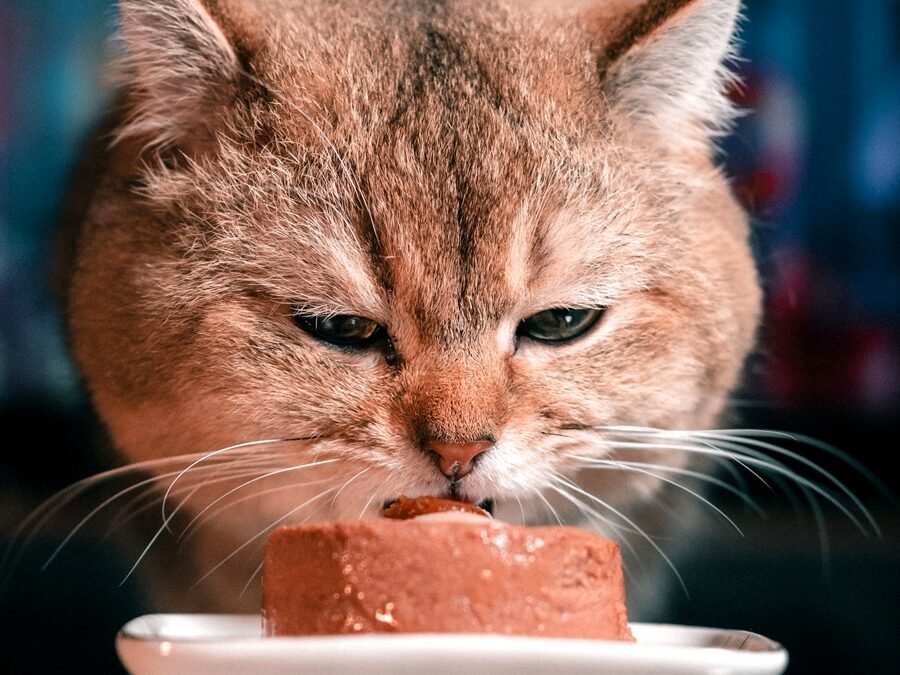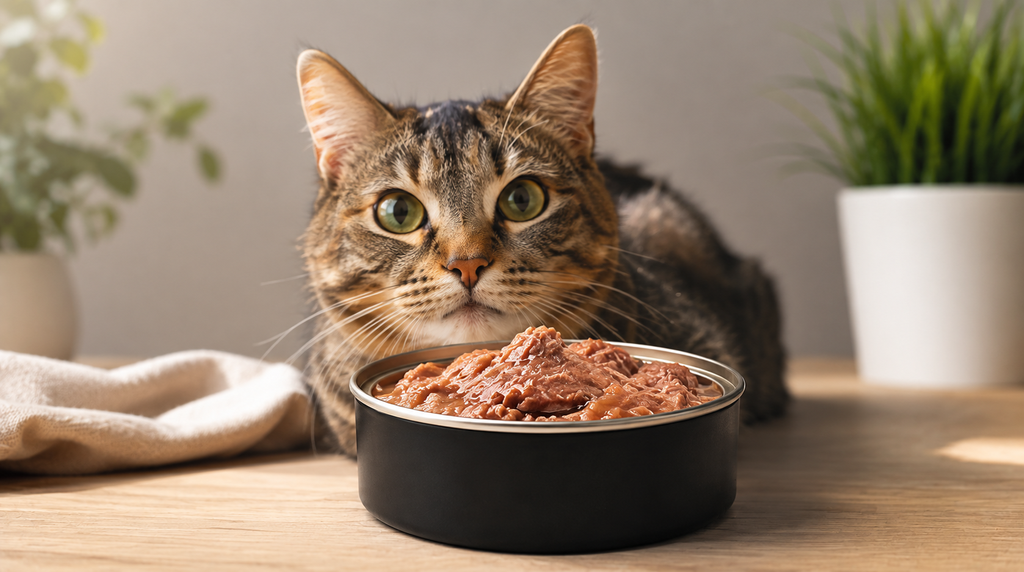
If you are looking for a convenient wet meal with an emphasis on animal protein, CRAVE wet food is worth considering. CRAVE offers wet cat food in both pâté and cuts-in-gravy styles, giving cats different textures and flavors to choose from.
The biggest strengths are its meat-focused positioning, wet-food moisture, convenient portions, and variety. However, “high protein” and “grain-free” alone do not tell you whether a particular recipe is the right choice for your cat. The individual formula, life-stage statement, calorie content, and your cat’s health all matter.
Crave Wet Food Quick Facts
| Feature | What to Know |
| Brand | CRAVE |
| Food type | Wet cat food |
| Main formats | Pâté and cuts in gravy |
| Protein focus | Animal-protein-focused recipes |
| Grain-free | CRAVE markets its cat food without grains such as corn and wheat |
| Packaging | Includes PERFECT PORTIONS™ trays and multipacks |
| Best suited for | Cats whose specific recipe meets their nutritional needs |
| Main benefit | Convenient moisture-rich meals with meat-focused recipes |
| Main concern | Recipe-specific nutrition, calories, and individual tolerance must be checked |
| Kittens | CRAVE currently states that it does not have a kitten formula |
CRAVE says its wet cat food is available in a variety of pâté and cuts-in-gravy recipes. Its FAQ also lists PERFECT PORTIONS™ trays among its wet cat food offerings.
Bottom line: CRAVE wet food can be a reasonable option for an adult cat when the specific product is complete and balanced for that cat’s life stage and fits the cat’s calorie and dietary needs.
What Is Crave Wet Food?
CRAVE wet food is a commercial cat-food line designed around meat-focused nutrition. Unlike dry kibble, wet formulas contain substantial moisture and are sold in textures such as pâté and cuts in gravy.
The brand emphasizes animal protein as an important part of its recipes. CRAVE also says its pet foods are made without artificial colors, flavors, or preservatives and that its recipes avoid grains such as corn and wheat.
One important distinction is that grain-free does not automatically mean healthier. Cats need specific nutrients rather than a particular ingredient label. A good cat food should provide the nutrients required for the cat’s species and life stage.
The FDA explains that a pet food labeled as “complete and balanced” should meet an established nutrient profile or satisfy an appropriate feeding-trial standard.
For that reason, don’t judge CRAVE—or any other cat food—only by whether it contains grains.
How Is Crave Wet Food Used?
CRAVE wet food can be fed as a primary meal when the specific recipe is nutritionally complete for your cat’s life stage. It can also be incorporated into a mixed feeding routine alongside an appropriate dry food, provided total daily calories are controlled.
The brand offers both pâté and cuts-in-gravy styles. This matters because texture can strongly influence whether a cat actually eats the food.
Some cats prefer smooth pâté, while others are more interested in pieces surrounded by gravy. The Cat Food Guy’s review of CRAVE trays specifically describes the product as a moist pâté with gravy and reports that his cats readily ate it. That’s an individual feeding experience, not a guarantee that every cat will react the same way.
When introducing a new food, make the change gradually when possible. A sudden diet change can cause digestive upset in some cats.
Always keep fresh drinking water available, even when feeding wet food.
Crave Wet Food Ingredients: What Should You Look For?
The ingredient list is one of the most useful parts of a cat-food label, but it needs to be read alongside the guaranteed analysis and nutritional adequacy statement.
CRAVE positions animal protein prominently in its nutrition philosophy. The company says its recipes use high-quality protein, with meat as a key ingredient.
That approach makes sense for cats because dietary protein supplies amino acids they need for normal body functions. CRAVE itself explains that protein supplies essential amino acids involved in maintaining lean muscle, digestion, energy, and immune function.
However, a consumer should not assume that a long ingredient list is automatically bad or that a short ingredient list is automatically better.
A complete cat food may contain ingredients that provide:
- Animal proteins
- Fats and fatty acids
- Vitamins
- Minerals
- Taurine
- Sources of moisture
- Functional ingredients needed for texture or processing
Taurine deserves particular attention. Cats require taurine in their diet, and commercial complete cat foods are generally supplemented or formulated to provide the nutrients cats need.
Another useful point is that crude protein percentages on wet-food labels can be misleading if compared directly with dry foods. The FDA notes that wet foods contain much more moisture than dry food, so nutrient percentages should be compared on a dry-matter basis when comparing products with very different moisture levels.
Benefits of Crave Wet Food
1. High Moisture Can Support Water Intake
One of the clearest advantages of wet food is its moisture content.
Cats can obtain a meaningful portion of their daily water from food, and veterinary guidance commonly recognizes wet food as a practical way to increase dietary water intake. VCA notes that canned food contains considerably more moisture than kibble and can be useful for cats that do not drink much.
That does not mean CRAVE wet food treats urinary or kidney disease. Cats with diagnosed medical conditions may require a diet selected specifically for that condition.
2. Meat-Focused Nutrition
CRAVE emphasizes animal protein in its recipes. This can make the food appealing to owners who want a meat-focused commercial diet.
Protein is especially important because cats require dietary amino acids for normal maintenance and body functions.
Still, the quality of a diet cannot be reduced to protein percentage alone. Fat, calories, essential nutrients, minerals, and the overall formulation also matter.
3. Multiple Textures
CRAVE offers both pâté and cuts-in-gravy recipes.
That variety can be useful for households with cats that have strong texture preferences.
A cat that refuses one wet-food texture may accept another, so having different formats can make feeding easier.
4. Convenient Portions
The PERFECT PORTIONS™ format is another practical feature. Smaller pre-portioned servings can make it easier to serve fresh food without opening a large container.
The Cat Food Guy also highlighted portion convenience in its review of CRAVE trays.
5. No Corn or Wheat in CRAVE’s Grain-Free Positioning
CRAVE states that its cat-food recipes are made without grains such as corn or wheat.
This may appeal to owners specifically looking for grain-free products.
However, there is no reason to assume that every healthy cat needs a grain-free diet. Grain-free should be treated as a formulation preference, not a universal health requirement.
Potential Drawbacks of Crave Wet Food
CRAVE wet food is not automatically perfect for every cat.
Recipe Differences Matter
The biggest issue is that “CRAVE wet food” describes a product family rather than one identical formula. Ingredients, calories, texture, and nutritional analysis can vary between recipes.
Always check the label of the exact product you are buying.
Not Designed as a Kitten Formula
CRAVE’s current FAQ states that the brand does not have a kitten formula.
That is important for owners of growing kittens. Kittens have different nutritional requirements from adult-maintenance cats, so an adult food should not simply be assumed to be appropriate for growth.
Wet Food Costs More Per Calorie for Some Owners
Wet food generally costs more per calorie than dry food, and packaging creates additional expense.
That does not make it a poor choice, but budget matters when deciding whether to feed wet food exclusively or combine wet and dry diets.
It Spoils Faster After Opening
Wet food should not be left sitting at room temperature for long periods. VCA notes that canned food is not suitable for being left out for extended grazing and recommends handling it appropriately after opening.
For cats that prefer to nibble throughout the day, dry food can be more convenient.
Some Cats May Not Tolerate a Formula
Even a nutritionally appropriate food may not suit every individual cat.
If your cat develops persistent vomiting, diarrhea, itching, appetite loss, or other concerning symptoms after a diet change, stop assuming the problem is simply “adjustment” and speak with a veterinarian.
Is Crave Wet Food Good for Cats?
Crave wet food can be a good option for some adult cats, provided the specific recipe is nutritionally complete and appropriate for the cat’s life stage and health needs.
Its main advantages are its wet format, animal-protein focus, recipe variety, and convenient serving options.
The more important question is not whether CRAVE is universally “good” or “bad.” Instead, ask:
- Is this particular recipe complete and balanced?
- Is it appropriate for my cat’s life stage?
- Does my cat maintain a healthy body condition on it?
- Does my cat digest it comfortably?
- Does the calorie content fit the daily feeding plan?
- Does my veterinarian recommend any special nutritional restrictions?
For a healthy adult cat, these questions provide a much better basis for choosing food than marketing terms alone.
Crave Wet Food vs Dry Cat Food
| Factor | Crave Wet Food | Dry Cat Food |
| Moisture | High | Low |
| Portion format | Individual servings/containers | Usually measured from a bag |
| Hydration contribution | Higher | Lower |
| Storage after opening | More demanding | Easier |
| Convenience for grazing | Lower | Higher |
| Texture | Pâté or gravy-based options | Crunchy kibble |
| Calorie density | Often lower because of moisture | Usually higher |
| Cat preference | Depends on individual | Depends on individual |
VCA notes that wet food can increase water intake because of its higher moisture content, while dry food is more convenient for cats that prefer grazing.
Neither format is automatically best for every healthy cat. The overall nutritional adequacy of the diet and the individual cat’s needs are more important.
How Much Crave Wet Food Should You Feed?
The correct amount depends on the exact recipe, its calorie density, your cat’s body weight, activity level, age, and whether other foods or treats are being fed.
Do not rely on a generic rule such as “one tray per day” for every cat.
Instead, start with the feeding guidance printed on the specific package and adjust with your veterinarian’s advice if your cat needs weight loss, weight gain, or has a medical condition.
Remember that treats and other foods contribute calories too.
If your cat is gaining weight, simply increasing wet food because it is “healthy” can still result in excess calorie intake.
Where Does Crave Wet Food Fit in a Healthy Cat’s Diet?
For a healthy adult cat, CRAVE wet food can fit into either a primarily wet-food diet or a mixed wet-and-dry feeding routine.
The key is nutritional balance.
The FDA recommends looking for the nutritional adequacy statement when deciding whether a pet food is intended to serve as a complete diet.
Wet food can also be useful for cats that have difficulty consuming enough water through drinking alone. VCA notes that feeding canned food can help cats obtain more water through their diet.
For cats with kidney disease, urinary problems, diabetes, food allergies, gastrointestinal disease, or another diagnosed condition, however, food selection should be discussed with a veterinarian rather than based solely on general product reviews.
Final Verdict: Is Crave Wet Food Worth Trying?
CRAVE wet food is a reasonable option to consider if you want a convenient, meat-focused wet diet for an adult cat. Its pâté and cuts-in-gravy formats provide texture choices, while the wet format contributes more dietary moisture than dry kibble.
The brand’s emphasis on animal protein and grain-free recipes may appeal to certain cat owners, but those features should not be confused with proof that every CRAVE recipe is ideal for every cat.
Before buying, check the exact recipe’s nutritional adequacy statement, ingredients, guaranteed analysis, calorie content, and life-stage suitability.
For more information directly from the manufacturer, see the CRAVE cat food information page.
Overall, CRAVE wet food earns consideration for healthy adult cats, particularly those that enjoy moist pâté or gravy-based meals. Its biggest strengths are convenience, moisture, and recipe variety; its biggest limitations are recipe-specific differences, cost, storage requirements, and the lack of a current kitten formula.
FAQs About Crave Wet Food
1. Is Crave wet food good for cats?
Yes, CRAVE wet food can be suitable for healthy adult cats when the specific recipe is complete and balanced for their life stage and fits their calorie needs. Individual tolerance and preferences still matter.
2. Is Crave wet food high in protein?
CRAVE places strong emphasis on animal protein in its cat-food recipes. However, the exact protein percentage varies by formula, so check the guaranteed analysis on the specific package.
3. Is Crave wet food grain-free?
CRAVE states that its cat-food products are made without grains such as corn and wheat.
4. Does Crave make wet food for kittens?
According to CRAVE’s current FAQ, the brand does not currently have a kitten formula.
5. Does Crave wet food help with hydration?
Wet food provides substantially more moisture than dry kibble, so it can contribute to a cat’s overall water intake. It should not, however, be considered a treatment for a medical condition.
6. Is pâté or cuts in gravy better for cats?
Neither texture is universally better. The best choice is usually the nutritionally appropriate food your cat willingly eats and tolerates well.
7. Can I mix Crave wet food with dry food?
Yes, wet and dry foods can be combined as part of a feeding plan. The important consideration is controlling total daily calories and ensuring the foods are nutritionally appropriate.
8. Is Crave wet food suitable for indoor cats?
It can be, but indoor status alone does not determine how much food a cat needs. Body weight, activity, age, metabolism, and calorie intake are more important factors.
9. How should leftover Crave wet food be stored?
Follow the storage instructions on the package. In general, opened wet food should be refrigerated rather than left at room temperature for prolonged periods.
10. Should I choose Crave wet food for a cat with a medical condition?
Not without veterinary guidance. Cats with kidney, urinary, gastrointestinal, allergy, diabetes, or other health problems may require a diet selected specifically for their condition.
Must read our other blogs:
Merrick Food Review: Honest Pros, Cons & Best Cat Food Picks