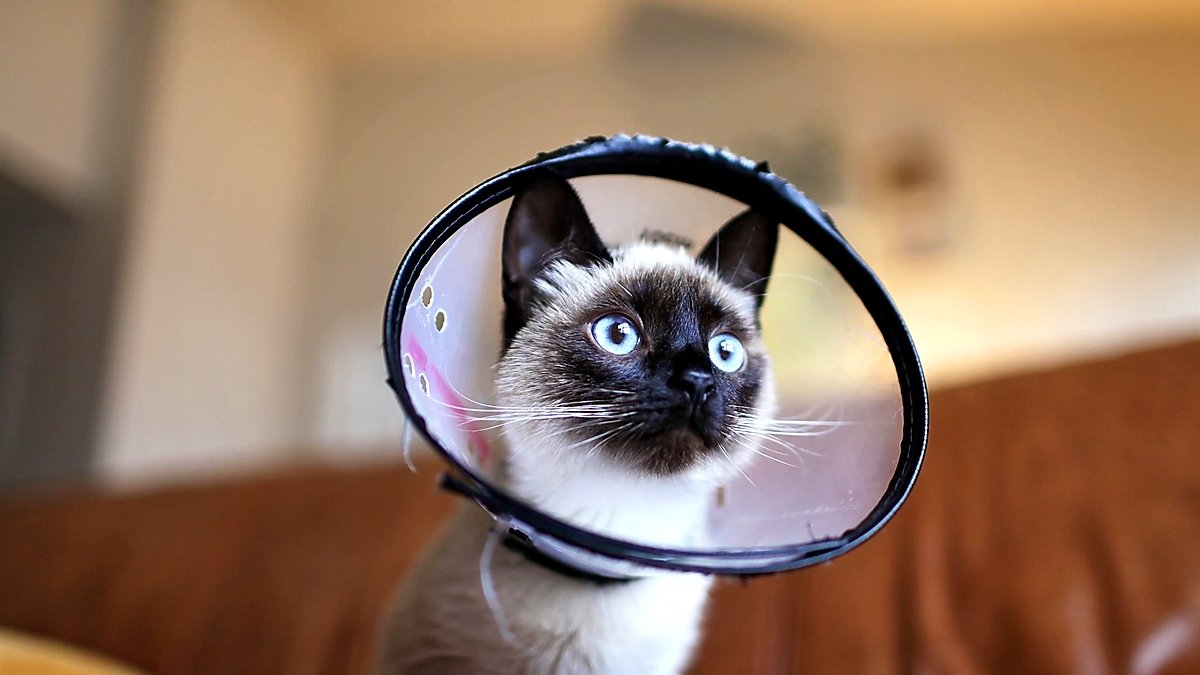
Seeing your cat acting weird after spay surgery can be unsettling. The cat who left the house that morning as her usual self may come home wobbly, quiet, clingy, grumpy, or hiding under the bed. For most cats, these changes are a normal part of recovering from anesthesia and surgery, and they fade within a few days.
This guide explains why you might see your cat acting weird after spay surgery, the behaviors you can expect, how long they usually last, how to care for your cat at home, and the specific signs that mean you should call your vet.
Why Cats Act Differently After Surgery
Spaying removes the ovaries and usually the uterus through an incision in the belly. Your cat has had general anesthesia, pain medication, and surgery on the same day. It is no surprise to find your cat acting weird after spay surgery.
According to VCA Animal Hospitals’ post-operative instructions for cats, drowsiness lasting 24 to 48 hours is expected as the anesthetic drugs wear off, and behavior should gradually return to normal. Most of what owners describe as a cat acting weird after spay surgery falls into this window.
Normal Signs of a Cat Acting Weird After Spay Surgery
Here are common ways a cat acting weird after spay surgery may behave in the first day or two. Most are nothing to worry about:
| Behavior | Why It Happens | Usually Lasts |
|---|---|---|
| Sleepiness and grogginess | Anesthesia wearing off | 24–48 hours |
| Wobbly walking or poor balance | Lingering effects of anesthesia | First day |
| Hiding | Cats hide when they feel vulnerable | A day or two |
| Clinginess or extra meowing | Disorientation and wanting comfort | A day or two |
| Grumpiness or hissing | Discomfort and feeling off | A few days |
| Smaller appetite | Nausea from anesthesia | First day |
| A mild cough | Irritation from the breathing tube used during surgery | A few days |
VCA specifically mentions the mild cough, which can come from the tube placed in the airway during anesthesia and usually goes away within days.
If your cat acting weird after spay surgery fits this table and is slowly improving, she is most likely recovering normally.
Behaviors That Can Seem Strange but Are Common
Acting Hyper or Restless
Some cats bounce back faster than expected and want to run, jump, and play the next day. That can be risky, because too much activity puts stress on the incision. VCA advises keeping cats indoors with restricted activity for 7 to 10 days after surgery. If your cat acting weird after spay surgery is racing around, keep her in a small room with no high furniture.
Hissing at Other Pets
A cat returning from the clinic may smell different to the other animals in your home, and she may also feel sore and defensive. It is common for housemates to hiss at each other for a short time. Keeping the recovering cat in a separate, quiet room for the first few days gives everyone time to settle.
Not Using the Litter Box Normally
Litter habits can change too in a cat acting weird after spay surgery. Some cats urinate or pass stool less in the first day, especially if they ate less. Others may find it uncomfortable to climb into a high-sided box. A low-sided box in the recovery room can help. If your cat has not urinated within about 24 hours of coming home, or strains without producing anything, call your vet.
Licking the Incision
Cats naturally groom wounds, but licking can open stitches or cause infection. VCA recommends using an Elizabethan collar or a recovery suit to prevent licking and chewing, and contacting the hospital if your cat removes her stitches.
How to Care for Your Cat at Home
A calm setup goes a long way toward easing a cat acting weird after spay surgery.
Set Up a Recovery Room
VCA suggests a soft, clean bed in a quiet, draft-free room kept at about 68 to 75°F. Include water, a litter box, and a hiding spot such as a covered bed or a box on its side. Keep stairs, high shelves, and cat trees out of reach.
Feed in Small Portions
VCA recommends offering about half of a normal dinner portion a few hours after you get home. If your cat eats it, offer the rest about an hour later. This helps prevent nausea from the anesthesia, since a cat acting weird after spay surgery may still have an unsettled stomach. Water should stay available unless your vet says otherwise.
Give Medications Exactly as Directed
Give any pain medicine or other prescriptions exactly as labeled. Never give human pain relievers to cats, since many common ones are dangerous to them.
Check the Incision Daily
VCA describes a healthy incision as clean, with the edges together and the skin a normal or slightly pink color. Some bruising can be normal, especially in cats with pale skin, and minor seepage of blood may occur for up to 24 hours. A quick daily look helps you catch problems early in a cat acting weird after spay surgery.
Kittens vs. Adult Cats
Many cats are spayed as kittens, while others are spayed as adults or after arriving at a shelter. Kittens often bounce back quickly and may want to play within a day, which makes keeping them calm the main challenge.
Adult cats, and especially overweight cats, may take a little longer to feel normal again. If your adult cat acting weird after spay surgery is still very quiet on the second day, that can be normal, but she should be improving a little each day. An older cat acting weird after spay surgery that does not improve deserves a call to the vet.
Cone or Recovery Suit?
Both options protect the incision, and each has trade-offs:
| Option | Pros | Cons |
|---|---|---|
| Elizabethan collar (cone) | Very effective at stopping licking | Some cats bump into things or refuse to eat with it on |
| Soft or inflatable collar | More comfortable for some cats | Flexible cats may still reach the incision |
| Recovery suit | Covers the belly, lets the cat move freely | Must fit well, and may need removing for litter use |
A cat acting weird after spay surgery may act even stranger in a cone at first, walking backward or freezing in place. Most cats adjust within a day. If your cat cannot eat or drink with the cone on, ask your vet about removing it briefly under supervision during meals.
Multi-Pet Homes
If you have other cats or a dog, plan ahead. Keep the recovering cat in her own room with food, water, and a litter box for at least the first few days. This prevents rough play and gives her a safe space while she feels vulnerable.
When you reintroduce her, do it slowly. A cat acting weird after spay surgery may hiss or swat at familiar pets for a few days, and this usually passes as she heals.
Recovery Timeline at a Glance
| Time After Surgery | What to Expect |
|---|---|
| First 24 hours | Grogginess, wobbliness, smaller appetite |
| 24–48 hours | Drowsiness fading, behavior improving |
| Days 3–7 | More energy; keep activity restricted |
| Days 7–14 | Stitches often removed or checked |
| After clearance | Gradual return to normal activity |
VCA notes that most stitches are removed 7 to 14 days after surgery and that activity restrictions usually continue until then. Your vet’s instructions may differ, especially if your cat had absorbable stitches or skin glue.
Signs of Pain to Watch For
Cats hide pain well, so subtle changes matter. A cat acting weird after spay surgery may be in more pain than normal if she:
- Sits hunched with her head low for long periods
- Refuses to eat beyond the first day
- Growls or bites when you approach her belly
- Breathes quickly while resting
- Hides constantly and will not come out at all
For more on how cats show discomfort, our guide to signs a senior cat is in pain describes many of the same subtle cues, which apply to cats of any age.
When to Call Your Vet
VCA lists several incision problems that need a call to your veterinarian right away:
- Continuous or excessive bleeding
- Blood seepage lasting more than 24 hours
- Excessive swelling or redness
- A bad smell or discharge from the incision
You should also call if your cat:
- Is still very lethargic after 48 hours
- Has not eaten anything after about 24 hours at home
- Vomits repeatedly
- Has pale gums or seems weak
- Removes stitches, or the incision opens
- Has not urinated within about 24 hours
Trust your instincts. If your cat acting weird after spay surgery seems to be getting worse instead of better, a quick call to the clinic is always reasonable.
What If She Acts Like She Is in Heat Weeks Later?
Some owners notice heat-like behavior, such as yowling, rolling, and raising the hindquarters, weeks or months after a spay. This is not normal recovery behavior. It can have several explanations, and in some cases a small amount of ovarian tissue may remain and keep producing hormones. If you see heat signs after the incision has fully healed, talk to your vet so they can investigate.
Long-Term Changes After Spaying
One long-term change to watch is appetite. Many cats eat more after spaying, which can lead to gradual weight gain if portions are not adjusted. Our guide on cat weight gain after spaying explains why it happens and how to prevent it with measured meals and daily play.
Frequently Asked Questions
How long will my cat act weird after spay surgery?
Most cats are groggy for 24 to 48 hours and return to normal behavior within a few days. Restricted activity usually continues until the stitches are removed or checked, often 7 to 14 days after surgery.
Is hiding normal for a cat acting weird after spay surgery?
Yes, hiding is common in the first day or two. Call your vet if she refuses to come out at all, stops eating, or seems to be in pain.
Why is my cat aggressive after spay surgery?
Pain, grogginess, and feeling vulnerable can make cats irritable. This usually improves within a few days as she heals. Give a cat acting weird after spay surgery space, and avoid handling her belly.
Is it normal to see my cat acting weird after spay surgery at night?
Yes. Some cats are restless or vocal the first night as the anesthesia wears off. Keep the room quiet and dim, and call your vet if she seems to be in pain.
Can my cat jump after being spayed?
Try to prevent jumping during recovery. VCA advises restricting activity for 7 to 10 days, or until your vet clears her.
This article is general information and not a substitute for veterinary advice. Follow your own vet’s discharge instructions, which may differ from the general guidance here. If the incision bleeds, opens, swells, or smells bad, or your cat stops eating, contact your veterinarian promptly. Last verified October 2026.
Sources
- VCA Animal Hospitals, Post-Operative Instructions in Cats: aftercare and when to contact a veterinarian.
- ASPCA Spay/Neuter Alliance, After Surgery Instructions: caring for a pet after surgery.
