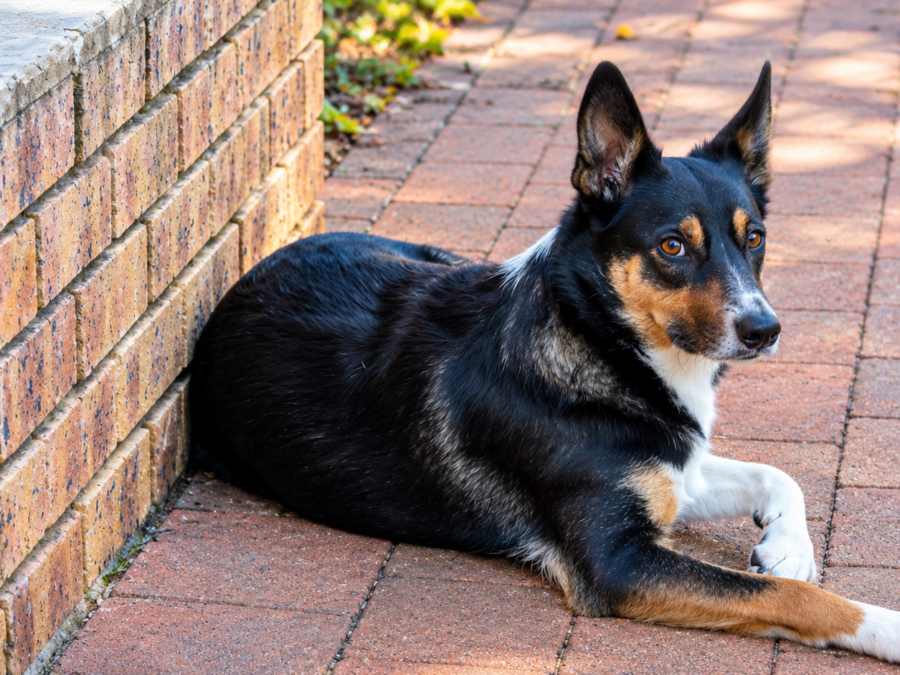
A Rat Terrier Blue Heeler mix packs a full-size herding dog’s work ethic into a body barely bigger than a large terrier.
Sometimes called the “Rat Heeler,” this cross combines the vermin-hunting hustle of the Rat Terrier with the tireless, take-charge drive of the Blue Heeler (formally the Australian Cattle Dog). The result is a compact, athletic dog built for a job — not a couch. This guide covers everything a prospective owner actually needs before bringing one home: size, temperament, health risks, exercise, training, grooming, diet, and real-world cost.
What Is a Rat Terrier Blue Heeler Mix?
A Rat Terrier Blue Heeler mix is a first-generation (or occasionally multi-generation) cross between a purebred Rat Terrier and a purebred Australian Cattle Dog. Like most designer crosses, it isn’t recognized by the American Kennel Club, since the AKC only registers established, standardized breeds — but both parent breeds are AKC-recognized on their own, which means health and temperament traits are well documented even though the mix itself isn’t.
Both parents were bred as working dogs in the United States and Australia, respectively. The Rat Terrier was developed to hunt rats and small vermin on American farms, prized for its speed, tenacity, and sharp nose. The Blue Heeler was bred in the Australian outback to drive cattle across long distances by nipping at their heels, a job that demanded endurance, intelligence, and a healthy dose of stubborn independence. Cross the two and you get a small-to-medium dog with an oversized work drive and very little tolerance for boredom.
Appearance and Physical Traits
Because the parent breeds are close in size, this Rat Terrier Blue Heeler mix is more consistent in appearance than many designer crosses, though coat pattern and coloring still vary litter to litter.
| Trait | Typical Range |
|---|---|
| Weight | 20–40 lbs |
| Height | 13–18 inches |
| Lifespan | 12–18 years |
| Coat | Short to medium, dense, smooth |
| Build | Lean, muscular, athletic with a narrow snout |
Most puppies land somewhere between the Rat Terrier’s fine-boned build and the Blue Heeler’s more solid, muscular frame. Expect a narrow muzzle, upright or semi-erect triangular ears, and an alert, ready-to-move posture. Littermates can vary noticeably — some favor the terrier side and stay closer to 20–25 lbs, while others take after the heeler and finish closer to 40 lbs.
Coat, Colors, and Shedding
Coat color is one of the most unpredictable traits in this Rat Terrier Blue Heeler mix. Common colors include blue, red, tan, black, fawn, and white, often combined into bi-color or tri-color patterns. Some puppies inherit the Blue Heeler’s mottled or speckled “blue” or “red heeler” pattern; others come out closer to the Rat Terrier’s classic tricolor markings.
The coat itself is usually short to medium in length, dense, and low-maintenance — but not low-shedding. Both parent breeds shed year-round with heavier seasonal blowouts in spring and fall, and the Rat Terrier Blue Heeler mix typically follows suit.
Temperament and Personality
This is a high-drive, intelligent, and fiercely loyal dog — traits inherited in full from both sides. From the Rat Terrier comes quick reflexes, a strong prey drive, and genuine enthusiasm for chasing anything that moves. From the Blue Heeler comes a serious, watchful streak, deep devotion to its family, and the herding instinct to “manage” whatever is around it, pets and children included.
Expect a dog that is:
- Alert and vigilant, often wary or reserved with strangers
- Protective of its family, making it a capable watchdog
- Prone to nipping at heels — a herding behavior, not aggression, but one that needs early redirection around kids
- High in prey drive, which can make small pets (cats, rabbits, rodents) a poor match
- Intelligent but independent-minded, which can look like stubbornness without consistent training
Early, deliberate socialization matters more with this mix than with a lot of breeds. A Rat Terrier Blue Heeler puppy that meets a wide range of people, dogs, and situations before 16 weeks old is far more likely to grow into a confident, well-adjusted adult than one that doesn’t.
Health Issues and Lifespan
Mixed-breed dogs generally benefit from hybrid vigor, and this Rat Terrier Blue Heeler cross tends to be healthier overall than either parent bred in isolation. Still, a handful of inherited conditions show up often enough to plan for:
- Hip and elbow dysplasia — a joint malformation common in active, medium-size breeds
- Patellar luxation — a kneecap that slips out of place
- Progressive retinal atrophy (PRA) — a degenerative eye condition that can lead to blindness
- Deafness — linked to the merle/speckled pigment genetics on the Blue Heeler side
- Dental issues — tartar buildup and crowding are common in smaller-jawed dogs
- Allergies and skin sensitivities — inherited from either parent line
Ask any breeder for hip, eye, and hearing clearance documentation on both parents. With routine veterinary care, a proper diet, and enough exercise to avoid the joint strain that comes with excess weight, this mix typically lives 12 to 18 years — a genuinely long run for a dog this active.
Exercise Needs
This is not a low-key companion. Both parent breeds were bred to work full days, and a bored Rat Terrier Blue Heeler mix will find its own “job” — usually one you won’t like, such as digging, chewing, or herding the kids. Plan on 60 to 90 minutes of vigorous activity daily, split across walks, off-leash runs in a securely fenced yard, and structured play like fetch or flirt-pole work.
Mental stimulation matters just as much as physical exercise. Puzzle feeders, scent games, and basic obedience or agility training help burn off the mental energy that a walk alone won’t touch. A securely fenced yard is close to a requirement — this Rat Terrier Blue Heeler mix’s prey drive and boundary-testing intelligence make it a skilled escape artist if under-exercised. Apartment living is possible only for owners who can reliably deliver this level of daily activity; a house with yard access is a much better default fit.
Training Tips
Both parent breeds rank among the more intelligent working and terrier breeds, so this Rat Terrier Blue Heeler mix picks up commands quickly — but “quick learner” and “easy to train” aren’t the same thing here. Independence and a strong prey drive mean training has to stay consistent, positive, and started early.
Keep sessions short (5–10 minutes), reward-based, and frequent rather than long and infrequent. Because the heeling instinct shows up as nipping, redirecting that behavior early is worth prioritizing — the same bite-inhibition approach in our guide on how to stop a puppy from biting works well here, since the underlying fix (teaching bite pressure control and giving the mouth something appropriate to do) applies whether the nipping comes from teething or herding instinct. Leash training and a rock-solid recall are non-negotiable given this Rat Terrier Blue Heeler mix’s prey drive around wildlife, cats, and traffic. Owners who’d rather bring in professional help can see our complete guide to dog training services for what to expect and how to choose one.
Grooming Requirements
Grooming is genuinely low-maintenance relative to the exercise demands. A weekly brushing session controls loose hair, with more frequent brushing during the spring and fall shedding seasons. Beyond that, this Rat Terrier Blue Heeler mix needs:
- A bath every 4–6 weeks, or as needed
- Nail trims every 3–4 weeks
- Weekly ear checks, especially on dogs with semi-folded ears
- Teeth brushing 2–3 times a week to manage tartar buildup
There’s no clipping or trimming required — just consistent basics.
Diet and Nutrition
Feed a high-quality formula built for active, medium-energy dogs, split into two meals a day. As a rough starting point, an active dog this size needs roughly 25–35 calories per pound of body weight daily, adjusted up or down based on age, activity level, and spay/neuter status. Because this mix is prone to joint issues like hip dysplasia, keeping it lean is one of the simplest things an owner can do to protect its joints long-term — measured meals and limited table scraps matter more here than the specific brand of food. Puzzle feeders double as both a feeding method and a mental workout, which suits this Rat Terrier Blue Heeler mix’s need for a “job” particularly well.
How Much Does a Rat Terrier Blue Heeler Mix Cost?
Expect to pay roughly $200–$700 for a puppy from a breeder, though pricing varies widely since the Rat Terrier Blue Heeler mix isn’t an AKC-recognized cross with standardized pedigree pricing. Adoption through a rescue or shelter typically runs $50–$300 and is worth checking first — working-breed mixes like this one are common in shelters, often surrendered by owners unprepared for the exercise commitment. Budget separately for ongoing costs: food for an active dog, routine vet care, and joint or eye screening if any symptoms show up.
Pros and Cons at a Glance
Weighing a Rat Terrier Blue Heeler mix against other family dogs comes down to a short list of trade-offs.
Pros: highly intelligent and trainable, fiercely loyal, excellent watchdog, long lifespan, low grooming maintenance, athletic and up for nearly any activity.
Cons: high exercise and mental stimulation needs, strong prey drive that’s risky around small pets, heel-nipping tendency around kids without training, wariness toward strangers, not a fit for first-time or low-activity owners.
Is a Rat Terrier Blue Heeler Mix Right for You?
This Rat Terrier Blue Heeler mix suits active owners with a securely fenced yard, prior experience with working or herding breeds, and the time to deliver serious daily exercise and consistent training. It’s an excellent match for hiking partners, farm or rural settings, and dog sports like agility or flyball. It’s a poor fit for apartment dwellers without a serious exercise routine, households with small pets like cats or rabbits, or anyone hoping for a low-energy lap dog. If you’re weighing this mix against other popular designer crosses, our guide to the French Bulldog and Pomeranian mix covers the opposite end of the energy spectrum — a far lower-exercise, apartment-friendly alternative. and Pomeranian mix covers the opposite end of the energy spectrum — a far lower-exercise, apartment-friendly alternative.
Frequently Asked Questions
Is a Rat Terrier Blue Heeler mix a good family dog?
It can be, in the right home. This mix is loyal and protective, but its herding instinct means it may nip at children’s heels during play, and its prey drive can make it unsafe around very small pets. Early socialization and training make a big difference.
How big does a Rat Terrier Blue Heeler mix get?
Most adults land between 20 and 40 lbs and stand 13 to 18 inches tall, though individual dogs can lean smaller (terrier-leaning) or larger (heeler-leaning) depending on which parent they favor.
Do Rat Terrier Blue Heeler mixes shed a lot?
Yes, moderately year-round with heavier shedding during spring and fall coat blows. Weekly brushing keeps it manageable.
Are Rat Terrier Blue Heeler mixes good with other pets?
They tend to do fine with other dogs, especially when raised together, but their prey drive makes them a risky match for cats, rabbits, or other small animals.
How much exercise does a Rat Terrier Blue Heeler mix need?
Plan on 60 to 90 minutes of vigorous daily exercise, plus mental stimulation like puzzle toys or training games. Under-exercised dogs of this cross are prone to destructive behavior.
Is a Rat Terrier Blue Heeler mix easy to train?
They’re highly intelligent and learn quickly, but their independent streak means training needs to be consistent, positive, and started early rather than occasional.