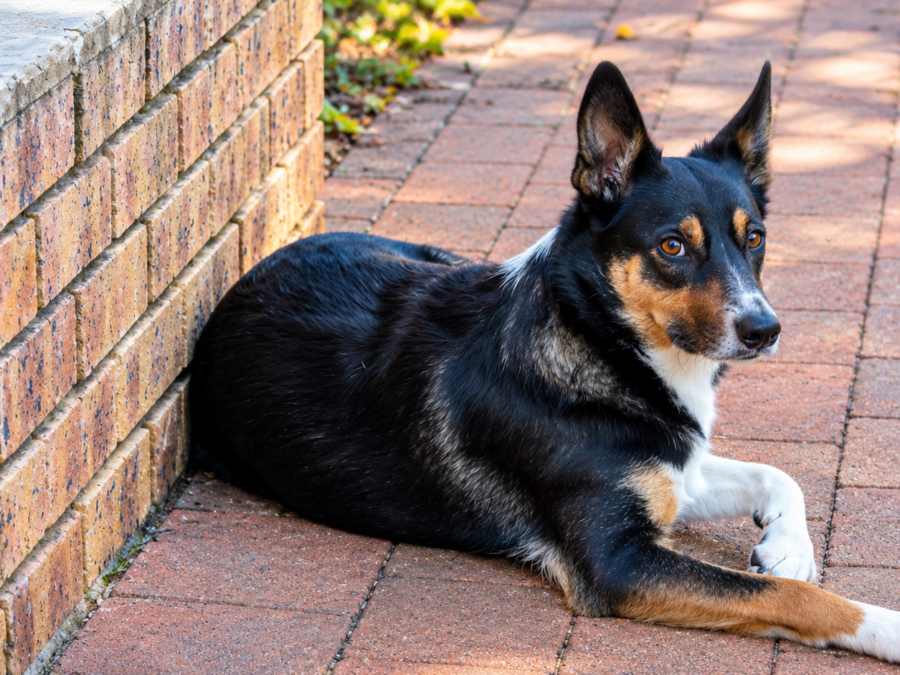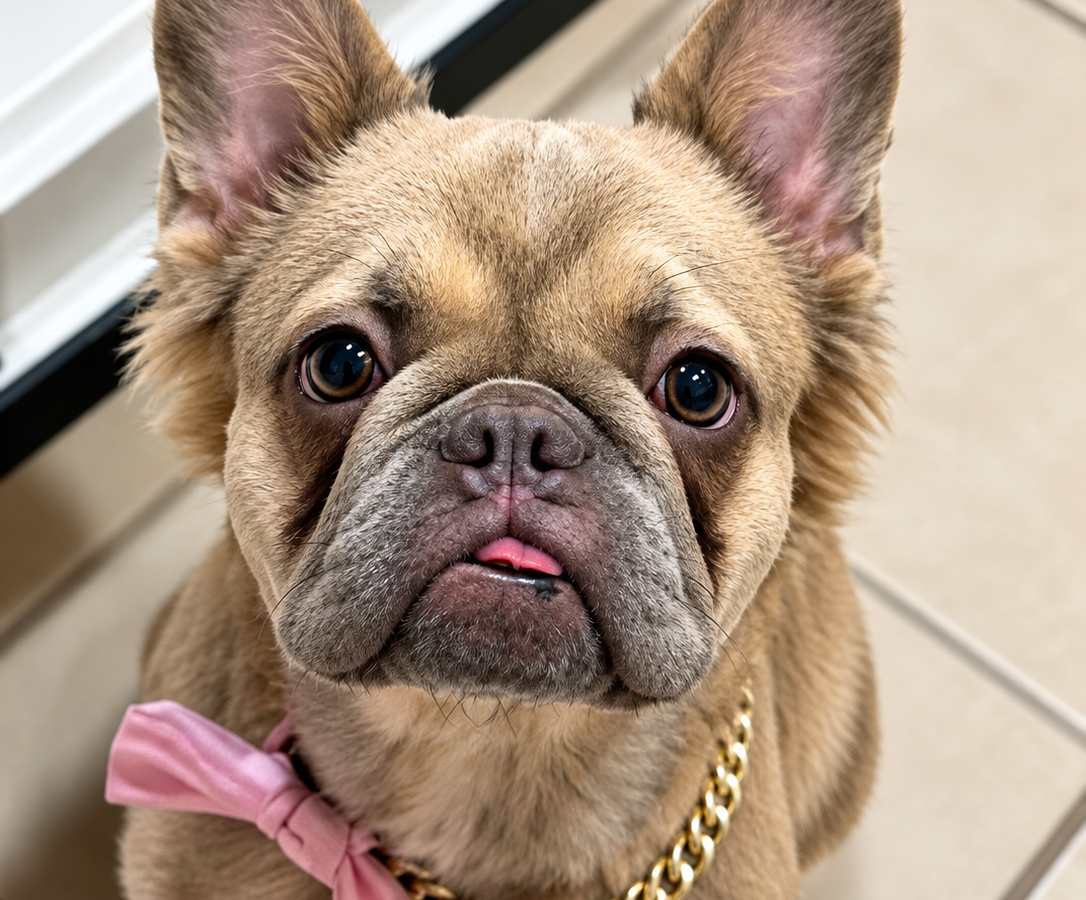
If you’ve fallen for the French Bulldog’s smoosh-faced charm but can’t get past its heavy panting, or you love the Pomeranian’s fluff but wish it came in a sturdier package, the French Bulldog and Pomeranian mix might be the dog you’re actually looking for. This designer hybrid — sometimes called the French Pomerbull, Frenchie Pom, or Pom Frenchie — blends two of the most popular small breeds in the world into one compact, big-personality companion.
Because both parent breeds are so different in build, coat, and temperament, no two French Bulldog Pomeranian mix puppies look or act exactly alike. This guide walks through everything a first-time owner actually needs to know: size, appearance, temperament, health risks, exercise, grooming, training, diet, and real-world cost, so you can decide whether this mix fits your home before you bring one in.
What Is a French Bulldog and Pomeranian Mix?
A French Bulldog Pomeranian mix is a first-generation (or occasionally multi-generation) cross between a purebred French Bulldog and a purebred Pomeranian. Like most designer breeds, it isn’t recognized by the American Kennel Club, since the AKC only registers established, standardized breeds — but that hasn’t slowed its popularity, especially among people who want a small, low-exercise dog with more physical durability than a Pomeranian alone offers.
Breeders started intentionally producing this cross within the last few decades, riding the same wave that produced the Cockapoo and Labradoodle. Because a full-size French Bulldog (16–28 lbs) is considerably larger than a Pomeranian (3–7 lbs), most breeders use artificial insemination or pair a Pomeranian sire with a smaller French Bulldog dam to keep the pregnancy safe.
Appearance and Physical Traits
The blend of a stocky, brachycephalic (short-faced) bulldog and a fluffy, fox-faced spitz makes this one of the more visually unpredictable designer mixes. Expect variation even within the same litter.
| Trait | Typical Range |
| Weight | 10–20 lbs |
| Height | 8–14 inches |
| Lifespan | 10–15 years |
| Coat | Short-to-medium, occasionally plush |
| Build | Compact and muscular, sometimes with a slightly longer back than a purebred Frenchie |
Most puppies inherit the French Bulldog’s short muzzle and stocky torso paired with the Pomeranian’s pointed, upright ears and expressive eyes — though some lean more heavily toward one parent. Bat ears, a curled tail, and a slightly undershot jaw are common, while a small number of puppies come out closer to a miniature bulldog or a stockier Pomeranian.
Coat, Colors, and Shedding
Coat length depends heavily on which parent the puppy takes after. Some have the French Bulldog’s short, single-layer coat that sheds lightly year-round; others inherit the Pomeranian’s double coat, which sheds more heavily and “blows” seasonally. Colors span the full range of both breeds: fawn, brindle, cream, black, white, blue, sable, and parti-color combinations are all possible.
Dogs with the Pomeranian-style double coat will need more frequent brushing to control shedding and prevent matting, while short-coated pups need very little beyond a weekly once-over.
Temperament and Personality
This mix tends to be affectionate, alert, and people-oriented — it wants to be wherever you are, not off exploring the backyard alone. From the Pomeranian side, expect confidence, curiosity, and a tendency to bark at anything unfamiliar. From the French Bulldog side, expect a calmer, more laid-back streak, comic stubbornness, and genuine devotion to its family.
Most French Bulldog Pomeranian mixes do well with children and other pets when socialized early, though their small size means play with large dogs or rough handling by young kids should be supervised. Because both parent breeds dislike being left alone for long stretches, this hybrid can develop separation anxiety and nuisance barking if it doesn’t get enough attention.
Health Issues and Lifespan
Because the French Bulldog is brachycephalic, health is the single most important thing to research before buying this mix — more important than looks or price. Common issues seen in the cross include:
- Brachycephalic Obstructive Airway Syndrome (BOAS) — labored breathing, snoring, and heat intolerance caused by a shortened airway
- Patellar luxation — a kneecap that slips out of place, common in small toy-breed mixes
- Intervertebral disc disease and back problems — linked to the Frenchie’s compact spine
- Tracheal collapse — more common in Pomeranian-leaning individuals
- Eye conditions — including cherry eye, dry eye, and corneal ulcers from shallow eye sockets
- Hip dysplasia and allergies, inherited from either parent line
- Dental crowding, due to a small jaw housing a full set of teeth
Reputable breeders screen for patellas, hips, and eyes, and can show clearance paperwork on both parents. A dog that leans more toward the Pomeranian’s longer muzzle will generally breathe easier than one with a very flat, French Bulldog-style face. With responsible breeding and routine veterinary care, most French Bulldog Pomeranian mixes live 10 to 15 years.
Exercise Needs
This isn’t a high-mileage dog, but it isn’t a couch ornament either. Plan on 20–40 minutes of daily activity, split into two shorter walks rather than one long session, since brachycephalic dogs overheat quickly. Short bursts of indoor play, puzzle toys, and gentle fetch sessions cover the rest of its energy needs. Avoid exercising this mix in hot or humid weather, and always watch for excessive panting, wheezing, or blue-tinged gums, which signal it needs to stop and cool down immediately.
Training Tips
Both parent breeds are intelligent but famously stubborn, so patience matters more than repetition here. Start training and socialization as early as 7–8 weeks old, keep sessions to 5–10 minutes, and rely on positive reinforcement — food rewards and praise work far better than correction-based methods on this strong-willed mix. Puppy nipping is common at this stage too; our guide on how to stop a puppy from biting walks through the same bite-inhibition method that works well for this cross. Crate training early helps manage the separation anxiety this hybrid is prone to, and consistent leash training curbs the Pomeranian side’s instinct to bark at every passerby. If you’d rather bring in professional help, see our complete guide to dog training services for what to expect and how to choose one.
Grooming Requirements
Grooming needs scale with coat type. A short-coated individual needs brushing once or twice a week and a bath every 3–4 weeks. A double-coated, Pomeranian-leaning individual needs brushing 3–4 times a week to prevent mats, plus more frequent deshedding during seasonal coat blows. Regardless of coat type, this mix needs:
- Weekly ear checks and cleaning (folded or semi-folded ears trap moisture)
- Regular nail trims, since small breeds often don’t wear nails down naturally
- Facial fold cleaning if the dog inherits the French Bulldog’s wrinkles, to prevent skin infections
- Teeth brushing 3–4 times a week to offset dental crowding
Diet and Nutrition
Feed a high-quality small-breed formula appropriate to your dog’s age and activity level, split into two meals a day rather than free-feeding. As a rough guide, small dogs of this size need about 25–35 calories per pound of body weight daily, adjusted for age, spay/neuter status, and how active the individual dog actually is. Because both parent breeds are prone to weight gain — which worsens joint and breathing problems — measuring meals and limiting table scraps matters more with this mix than with most breeds.
How Much Does a French Bulldog Pomeranian Mix Cost?
Expect to pay anywhere from $800 to $3,000 for a puppy from a breeder, depending on lineage, coat color, and how closely the litter resembles the trendier “flat-faced” French Bulldog look. Rarer colors and smaller, more Pomeranian-like puppies tend to command higher prices. Budget separately for the ongoing costs common to brachycephalic mixes — routine vet visits, potential orthopedic or airway treatment, and pet insurance are worth planning for from day one. Adoption through a rescue or breed-specific rescue group typically costs a few hundred dollars and is worth checking first.
Pros and Cons at a Glance
Pros: compact, apartment-friendly size; affectionate and loyal; moderate exercise needs; long lifespan for a hybrid of this type; huge range of looks and colors.
Cons: unpredictable adult appearance; potential breathing and joint issues; prone to separation anxiety and barking; grooming needs vary widely; not officially recognized, so health testing depends entirely on the breeder’s diligence.
Is This Mix Right for You?
This hybrid suits owners who want a small, affectionate dog for apartment or city living, don’t need a high-energy jogging partner, and are prepared to invest in a breeder who health-tests both parent lines. It’s a poor fit for anyone gone from home most of the day, living somewhere very hot and humid, or unwilling to budget for the vet care that brachycephalic mixes sometimes need.
Frequently Asked Questions
Is a French Bulldog Pomeranian mix a good family dog?
Yes, most are affectionate and gentle with children when raised around them, but their small size means play with toddlers or large dogs should always be supervised to avoid injury.
How big does a French Bulldog and Pomeranian mix get?
Most adults settle between 10 and 20 pounds and stand 8 to 14 inches tall, though littermates can vary a lot depending on which parent they favor.
Do French Bulldog Pomeranian mixes shed a lot?
It depends on the coat they inherit. Short-coated individuals shed lightly year-round, while dogs with the Pomeranian’s double coat shed more and “blow” their coat seasonally, needing extra brushing.
Are French Bulldog Pomeranian mixes hypoallergenic?
No. Neither parent breed is hypoallergenic, so this mix isn’t a good choice for households with dog allergies.
How much exercise does this mix need?
Around 20 to 40 minutes a day, split into shorter sessions rather than one long walk, since the breed’s short muzzle makes it prone to overheating in hot weather.
Do French Bulldog Pomeranian mixes bark a lot?
They can, especially if under-socialized or left alone too often — the Pomeranian side is naturally alert and vocal. Early training and enough daily attention keep barking manageable.