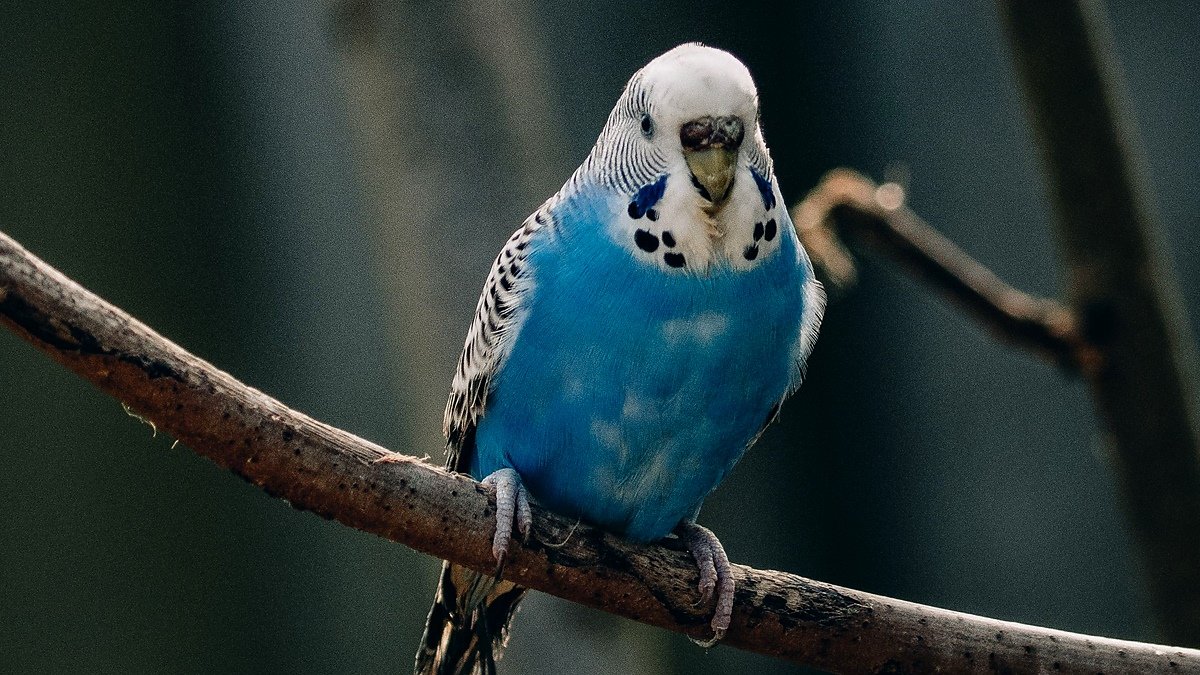
A parakeet sneezing but acting normal is one of the most common reasons owners start searching late at night, and the short answer is that an occasional sneeze is usually harmless. Birds sneeze to keep their airways clear, and a parakeet sneezing but acting normal, with a good appetite and its usual chatter, is often reacting to dust or a small irritant. The part that needs care is knowing where “occasional” ends. Birds hide illness well, so this guide covers the harmless triggers, the signs that mean a vet visit, and one household hazard that can be dangerous even when your bird looks fine.
Quick answer: A parakeet sneezing but acting normal is often reacting to dust or an irritant. Book an avian vet if the sneezing lasts beyond 24 to 48 hours or comes with discharge, tail bobbing or fluffed feathers, and treat breathing trouble after cooking as an emergency.
Why a parakeet sneezing but acting normal is often fine
According to Chewy’s bird health guide, birds sneeze to clear dust, feather particles, food debris and other irritants from their nasal passages. That means a single sneeze, or a small cluster after preening, is part of normal bird life.
So when you notice a parakeet sneezing but acting normal, the question is not “Did it sneeze?” but “How often, how wet, and what else is changing?” A bird that sneezes now and then, eats, plays, preens and vocalizes as usual is giving you a very different picture from one that sneezes in repeated bursts while sitting fluffed up.
Harmless triggers for a parakeet sneezing but acting normal
The same Chewy guide lists common benign triggers:
- Feather dust and particles from preening or molting
- Dusty cages or bedding materials
- Food particles or water droplets while eating
- Environmental irritants such as smoke, perfumes and cleaning chemicals
- Dry indoor air
Here is how to act on each of them:
| Likely trigger | What to try |
|---|---|
| Feather dust during preening or molting | Watch the pattern; sneezes often cluster after grooming |
| Dusty bedding or cage liner | Switch to a lower-dust liner and wipe the cage tray |
| Seed husks and food particles | Clear husks daily and wash food dishes |
| Smoke, perfume, candles, aerosol sprays | Stop using them in the room where the bird lives |
| Dry air | Ask your avian vet whether added humidity makes sense for your home |
If you remove an irritant from a home with a parakeet sneezing but acting normal and the sneezing fades, you have probably found the cause. If a parakeet sneezing but acting normal keeps sneezing after you remove irritants, move on to the next sections.
Warning signs that change the answer
Frequent or persistent sneezing can point to illness, particularly when it comes with other signs. Chewy lists these warning signs: wheezing or clicking sounds while breathing, labored breathing, tail bobbing, open-mouth breathing, puffy or fluffed feathers, loss of appetite, lethargy, weight loss and watery eyes.
It also lists red-flag symptoms that call for veterinary care:
- Nasal discharge, whether clear, cloudy or thick
- Crusting around the nostrils
- Wet feathers around the face
The practical lesson is that a parakeet sneezing but acting normal can change quickly. A bird that was bright this morning may be fluffed up by evening. Look at the whole bird, not just the sneeze. Check the nostrils (the small openings on the cere above the beak) for crust or wetness, look at the feathers around the face, and watch the tail while the bird is at rest. A tail that moves up and down with each breath is a sign of effort.
How long can you wait?
Chewy advises booking an appointment with an avian veterinarian if sneezing continues beyond 24 to 48 hours, or if it develops alongside other symptoms, because early treatment improves outcomes for respiratory infections.
That gives you a straightforward rule for a parakeet sneezing but acting normal:
- First day: Remove obvious irritants and watch.
- 24 to 48 hours: If the sneezing has not eased, call an avian vet.
- Any time: Wet nostrils, discharge, tail bobbing, open-mouth breathing or fluffed feathers mean call right away.
Small birds can decline fast, so with a parakeet sneezing but acting normal, err on the side of calling.
The hidden hazard: nonstick fumes
Not every respiratory problem looks like a cold. The Merck Veterinary Manual describes PTFE gas poisoning, which occurs commonly in pet birds housed in or near kitchens. The gas is released from certain nonstick cookware when pans overheat, at temperatures reaching 280°C (536°F).
Other sources the manual names include irons, ironing board covers, some self-cleaning ovens, heating elements from some reverse-cycle heat pumps and some heat lamps. It says that often the only sign is sudden death, that small birds can die suddenly with minimal exposure, and that larger birds may show breathing difficulty, wheezing, loss of coordination, weakness or seizures.
This is why a parakeet sneezing but acting normal still matters if it happens after cooking. If your bird starts sneezing, wheezing or struggling to breathe after anything has been heated in the home, move the bird into fresh air right away and call an emergency vet. Do not wait for symptoms to build. As a precaution, keep your bird away from the kitchen and avoid overheating nonstick pans in the home.
What else can cause sneezing in a parakeet
Beyond dust and fumes, repeated sneezing can come from infections of the nose and sinuses, and sometimes from problems that have little to do with the nose at all. A bird with a long-term poor diet, for example, can be more prone to health problems overall, which is why many avian vets talk about diet at every visit. If your bird lives on seeds alone, ask your vet whether a pellet-based diet suits it. Our review of ZuPreem FruitBlend looks at one pellet option and what to watch for when switching.
We are not going to guess at the cause of any particular parakeet sneezing but acting normal here. A parakeet sneezing but acting normal could have a simple trigger or an early infection, and only an exam can tell the difference. What you can do is bring useful details to the vet: when the sneezing began, how often it happens, whether there is any discharge, whether anything changed in the home, and a short video if the sneezing is hard to catch.
Reduce irritants in the cage area
If a parakeet sneezing but acting normal has you worried, a few small changes make the air around the cage cleaner:
- Place the cage away from the kitchen, doorways and vents.
- Avoid scented candles, plug-in fresheners, aerosol sprays and cigarette smoke near the bird.
- Wipe the cage and tray regularly, and clear seed husks daily.
- Use low-dust bedding or liners.
- Wash food and water dishes daily so water droplets and old food do not build up.
If you cover the cage at night, make sure it stays well ventilated, and see our guide on using a budgie cage cover at night for how to do it without blocking airflow.
Keep a simple sneeze log
For a parakeet sneezing but acting normal, a three-line note each day is the most useful thing you can bring to the vet. Write down how many sneezes you noticed, whether the nostrils looked clean or wet, and what the bird ate. A parakeet sneezing but acting normal for two days with clean nostrils tells a different story from one whose sneezing is increasing. If you can, record a short video, since birds often stop sneezing the moment they are carried into a clinic.
Why you should not self-treat
It is tempting to try a home remedy for a parakeet sneezing but acting normal. Do not give human cold medicine, essential oils or leftover antibiotics. Birds are small, their respiratory systems are delicate, and a dose that seems tiny to you can be dangerous.If your bird needs treatment, your avian vet will choose the right one for the cause.
Ask whether your vet sees small birds, because not every clinic treats them.
How we checked this
We read Chewy’s guide to bird sneezing and the Merck Veterinary Manual’s page on toxicoses of pet birds in full. Lafeber blocked our access and the Royal Examiner page returned no article text, so we left their claims out. This is general information, not a diagnosis.
FAQs
Is it normal for a parakeet to sneeze every day?
For a parakeet sneezing but acting normal, an occasional sneeze is fine because birds sneeze to clear dust and irritants. If sneezing continues beyond 24 to 48 hours, Chewy advises scheduling an avian vet appointment.
Can a parakeet sneezing but acting normal still be sick?
Yes. Birds hide illness, so a parakeet sneezing but acting normal can still have an early infection, and the signs can be subtle. Watch for discharge, crust around the nostrils, wet face feathers, tail bobbing, fluffed feathers and loss of appetite.
What does a wet sneeze mean?
Nasal discharge, whether clear, cloudy or thick, is one of the red-flag symptoms that call for veterinary care. A dry sneeze that expels dust is different from one that produces fluid.
Can nonstick pans make my parakeet sneeze?
The Merck Veterinary Manual says PTFE gas released from overheated nonstick cookware commonly poisons pet birds kept in or near kitchens, and that small birds can die suddenly with minimal exposure. Keep birds away from the kitchen and treat any breathing trouble after cooking as an emergency.
Should I cover the cage if my parakeet is sneezing?
Do not use a cover to treat a parakeet sneezing but acting normal. If you already cover the cage at night, keep airflow open and avoid heavy fabric that traps dust.
When should a parakeet see an avian vet?
If it sneezes beyond 24 to 48 hours, develops other symptoms, shows nasal discharge, tail bobbing, open-mouth breathing or fluffed feathers, or you suspect fume exposure.
How can I tell if my parakeet’s sneeze is a cold?
You cannot tell at home. Look for discharge, crusting, wet face feathers, tail bobbing and fluffed feathers, and let an avian vet examine the bird.
Are scented candles or sprays bad for parakeets?
Chewy lists smoke, perfumes and cleaning chemicals as sneezing triggers, so keep them away from the room where the bird lives.
Is it safe to keep a parakeet in the kitchen?
The Merck Veterinary Manual says PTFE poisoning is common in pet birds housed in or near kitchens, so keep the cage elsewhere.
This guide combines Chewy’s bird health information and the Merck Veterinary Manual’s description of PTFE poisoning, and we did not run any test on our own birds, so treat it as background rather than a diagnosis; an avian vet should examine any bird that sneezes persistently or struggles to breathe. Last verified October 2026.
Sources
- VCA Animal Hospitals, Respiratory Disease in Birds: respiratory problems in pet birds.
- VCA Animal Hospitals, Recognizing the Signs of Illness in Pet Birds: spotting illness early in pet birds.
