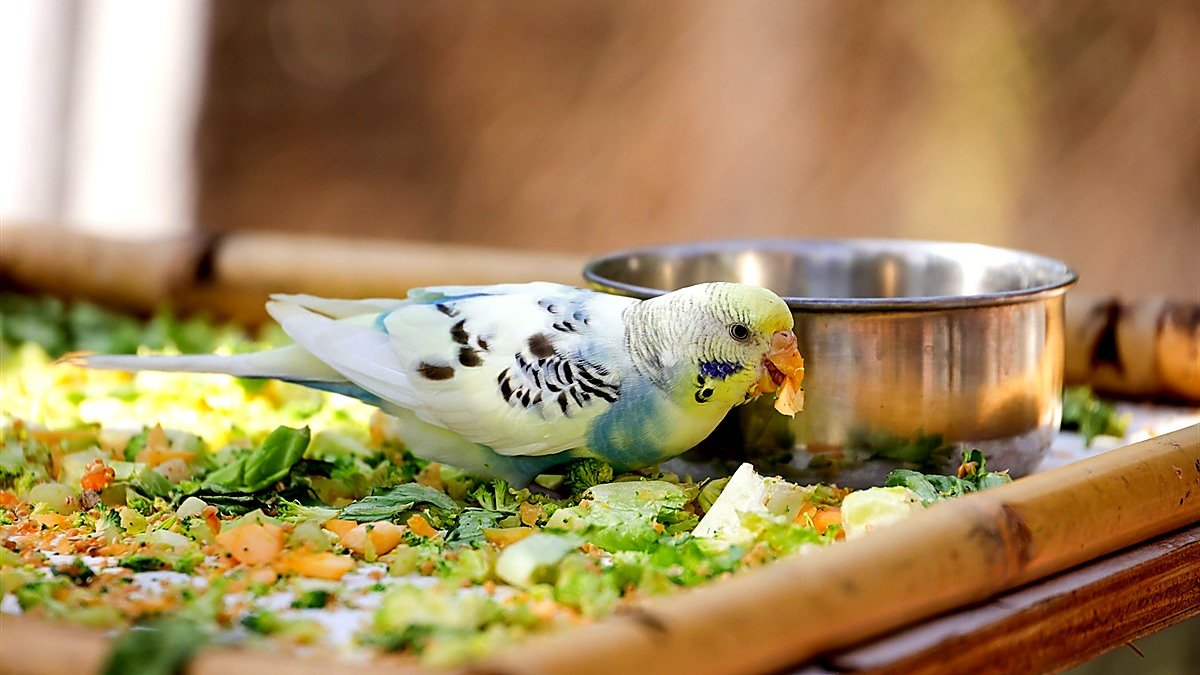
ZuPreem FruitBlend is one of the most widely available pelleted foods for budgies, parakeets, and other small birds. You will find it in big pet stores and online, and its bright, fruit-shaped pellets are often the first pellets a new bird owner tries.
But bright colors and a fruity smell are not the same as good nutrition. In this review, we look at what is actually in ZuPreem FruitBlend, how pellets fit into a healthy budgie diet according to veterinarians, the honest drawbacks, and how to switch a seed-loving bird over without stress.
Quick Summary
Here is a quick look at the main strengths and drawbacks of ZuPreem FruitBlend.
| Area | Strength | Watch Out For |
|---|---|---|
| Diet foundation | Pelleted, so every bite is balanced | Still needs fresh vegetables alongside it |
| Palatability | Fruit flavor and aroma can tempt picky birds | Sugar is among the first ingredients |
| Appearance | Colorful pellets many birds find interesting | Uses artificial colors, including Red 40 and Yellow 5 |
| Availability | Sold widely in stores and online | Formulas and packaging can change over time |
| Size options | Small-bird size for budgies and parrotlets | Buy the right size for your bird |
This summary is based on ZuPreem’s published product information and veterinary feeding guidance. We did not run our own feeding trial.
Why Pellets Matter for Budgies
Many budgies are still fed mostly seeds, but veterinarians have moved away from seed-based diets. According to VCA Animal Hospitals’ guide to feeding budgies, written by three veterinarians, seeds are high in fat and carbohydrates, low in protein, and lacking essential vitamins and minerals. Budgies also tend to pick out favorites like millet, which makes the diet even less balanced. VCA links seed-heavy diets to obesity, iodine deficiency, and shorter lifespans.
Pellets solve the picking problem. Each pellet contains the same mix of nutrients, so a bird cannot eat only the tasty parts. That is the main reason vets recommend a pelleted base diet, and it is the main reason products like ZuPreem FruitBlend exist.
How Much of the Diet Should Be Pellets?
Veterinary guidance varies slightly, but the overall picture is consistent:
| Source | Pellets | Vegetables and Fruit | Seeds and Treats |
|---|---|---|---|
| VCA Animal Hospitals | 60–80% of daily intake | No more than 20–25% | Minimal amounts only |
| PetMD budgie care sheet | 60–70% | Treats, vegetables, and fruits together about 30–40% | No more than 10% as treats |
PetMD’s care sheet was written by a veterinarian and reviewed by another. Both sources agree that pellets should make up the majority of the diet, with fresh produce and only small amounts of seed.
Ingredients: What’s Actually in ZuPreem FruitBlend
According to the ZuPreem FruitBlend product page, the small-bird formula lists these ingredients, in order:
Ground corn, soybean meal, ground wheat, wheat germ meal, sugar, vegetable oil (preserved with mixed tocopherols), oranges, apples, grapes, bananas, calcium carbonate, dicalcium phosphate, iodized salt, natural flavors, followed by amino acids, vitamins, minerals, and several color additives.
Here is what stands out:
- Grains and soy form the base. Corn, soybean meal, and wheat supply most of the calories and protein.
- Sugar is the fifth ingredient. That is higher up the list than many owners expect in a daily food.
- Real fruit is included. Oranges, apples, grapes, and bananas appear, though after the grains, sugar, and oil.
- Iodized salt is listed, which provides iodine. VCA notes iodine deficiency as a risk of seed-based diets.
- Artificial colors are added. The ingredient list includes Yellow 5, Red 40, Yellow 6, and Blue 1.
Guaranteed Analysis
Here are the published values for the small-bird ZuPreem FruitBlend formula:
| Nutrient | Amount |
|---|---|
| Crude protein (min) | 14% |
| Crude fat (min) | 4.0% |
| Crude fiber (max) | 3.5% |
| Moisture (max) | 10% |
| Lysine (min) | 0.8% |
| Methionine (min) | 0.4% |
| Phosphorus (min) | 0.4% |
| Potassium (min) | 0.5% |
| Vitamin D (min) | 500 IU/kg |
| Vitamin E (min) | 60 IU/kg |
These numbers describe a moderate-protein, low-fat maintenance food. That fits the general goal of a pelleted diet for adult budgies, which is steady, balanced nutrition rather than rich, fatty seeds.
The Color and Sugar Question
This is where opinions about ZuPreem FruitBlend split.
Some owners like the colors because they make pellets look interesting, and a bird that is curious about its food may be easier to convert from seed. Others prefer dye-free pellets on principle, since the colors are there for appearance, not nutrition.
We looked through the veterinary sources used in this review and did not find guidance saying these specific colors harm birds at the levels used in pellets. So we are treating it as a personal preference, not a proven health issue. If you would rather avoid added colors or sugar, ask your avian vet about plain, uncolored pellets instead.
The sugar is a similar trade-off. It helps with taste, which can make switching easier, but it is not something your bird needs. If your budgie is overweight or your vet has concerns, a lower-sugar pellet may be a better long-term choice than ZuPreem FruitBlend.
How Much to Feed
ZuPreem’s feeding guide for parakeets, budgies, and parrotlets is 1 to 3 tablespoons daily, with the pellets forming the foundation of the diet and fresh food added on top.
A few practical tips:
- Start at the low end for a single budgie and watch how much is left over.
- Refresh the bowl daily and discard old pellets and droppings.
- Offer vegetables every day, such as leafy greens, broccoli, bell pepper, or pea pods, which PetMD lists among good choices.
- Remove fresh food after about two hours, as VCA recommends, so it does not spoil.
- Keep treats small, within PetMD’s guidance of no more than 10% of the diet.
VCA also notes that grit should not be offered to budgies, and that birds eating a diet of around 75–80% pellets generally do not need extra vitamin supplements. Ask your vet before adding any supplement.
How to Switch a Seed-Eating Budgie to ZuPreem FruitBlend
Budgies can be stubborn about new food, and some will not recognize pellets as food at first. VCA suggests several strategies:
- Offer pellets first in the morning, when your bird is hungriest.
- Scatter pellets on a flat surface, since budgies naturally forage on the ground.
- Mix pellets with seed, then slowly reduce the seed over time.
- Coat fresh food with crushed pellets so your bird gets used to the taste.
- Give it weeks or even months. Switching is a gradual process.
Weigh your budgie regularly during the switch, if you can. A bird that stops eating can lose weight quickly, and budgies can become ill if they go without food for too long. If your bird refuses both seeds and pellets, call an avian vet right away.
The fruit flavor and colors in ZuPreem FruitBlend may help here. Some birds that ignore plain pellets will at least investigate colorful, fruity ones, which gives you a starting point.
ZuPreem FruitBlend vs. a Seed Mix
If your budgie currently eats mostly seed, here is how switching compares:
| Feature | Typical Seed Mix | ZuPreem FruitBlend |
|---|---|---|
| Nutrient balance | Bird can pick out favorites | Same nutrients in every pellet |
| Fat | Often high | Low to moderate (4% minimum fat) |
| Vitamins and minerals | Often lacking | Added vitamins and minerals |
| Added colors | Usually none | Yes |
| Added sugar | Usually none | Yes |
| Foraging appeal | High, since birds crack shells | Lower, so add foraging toys |
The table shows the real trade-off. ZuPreem FruitBlend is more nutritionally complete than a seed mix, but it adds sugar and colors that plain seeds do not have. Many owners keep a small amount of seed or millet as a treat for training and enrichment.
Storage and Freshness
ZuPreem sells the small-bird formula in 0.875-pound, 2-pound, and 10-pound bags. For one or two budgies, a smaller bag stays fresher, since pellets can go stale or pick up moisture once opened.
Store ZuPreem FruitBlend in a cool, dry place, and reseal the bag tightly or move the pellets into an airtight container. Check the best-by date on the bag, and throw out any pellets that smell off, look damp, or show signs of mold or pests.
Signs the Switch Is Working
During a diet change, look for steady body weight, normal droppings, and an active, alert bird. A budgie that is eating pellets well will usually leave pellet crumbs in the bowl and produce droppings that look normal in color and form. If your bird fluffs up, sleeps more during the day, or seems weak while switching to ZuPreem FruitBlend, stop and call an avian vet.
What About Owner Reviews?
We tried to load retailer review pages for owner feedback, but they were not accessible when we checked, so we are not quoting star ratings or review counts. In general, the biggest variable with any pellet is your individual bird. Some budgies take to ZuPreem FruitBlend right away, while others need a slow transition or prefer a different brand.
Where It Fits in a Healthy Routine
Good nutrition is only one part of budgie care. Sleep matters too, and our guide on using a budgie cage cover at night explains how a steady day and night routine supports your bird’s health.
If you keep other exotic pets, it is interesting to compare how prepared diets work across species. Our Repashy Crested Gecko Diet review looks at a fruit-based powdered diet made for a very different animal.
Who Should Consider ZuPreem FruitBlend
It may suit:
- Owners moving a budgie off an all-seed diet who want a tempting first pellet
- Picky birds that ignore plain, uncolored pellets
- Owners who want an easy-to-find food sold in most pet stores
It may not be the best fit for:
- Owners who prefer dye-free or lower-sugar foods
- Overweight birds, unless your vet approves
- Birds with specific health conditions, where your avian vet may recommend a particular diet
Frequently Asked Questions
Is ZuPreem FruitBlend good for budgies?
It can work well as the pelleted base of a budgie’s diet, alongside daily vegetables and small amounts of treats. It does contain sugar and artificial colors, which some owners prefer to avoid.
How much ZuPreem FruitBlend should I feed my budgie?
ZuPreem recommends 1 to 3 tablespoons daily for parakeets, budgies, and parrotlets. Adjust based on how much your bird actually eats.
Can budgies eat only ZuPreem FruitBlend?
Veterinary guidance recommends pellets as most of the diet, but not all of it. Add fresh vegetables daily and limit treats.
Do I need to give my budgie vitamins with pellets?
According to VCA, birds eating about 75–80% pellets generally do not need extra vitamins. Check with your avian vet first.
This review is general information and not a substitute for advice from an avian veterinarian. Switch your bird’s diet gradually, and contact an avian vet right away if your budgie stops eating or loses weight. Ingredient details were checked on ZuPreem’s website and may change. Last verified September 2026.
