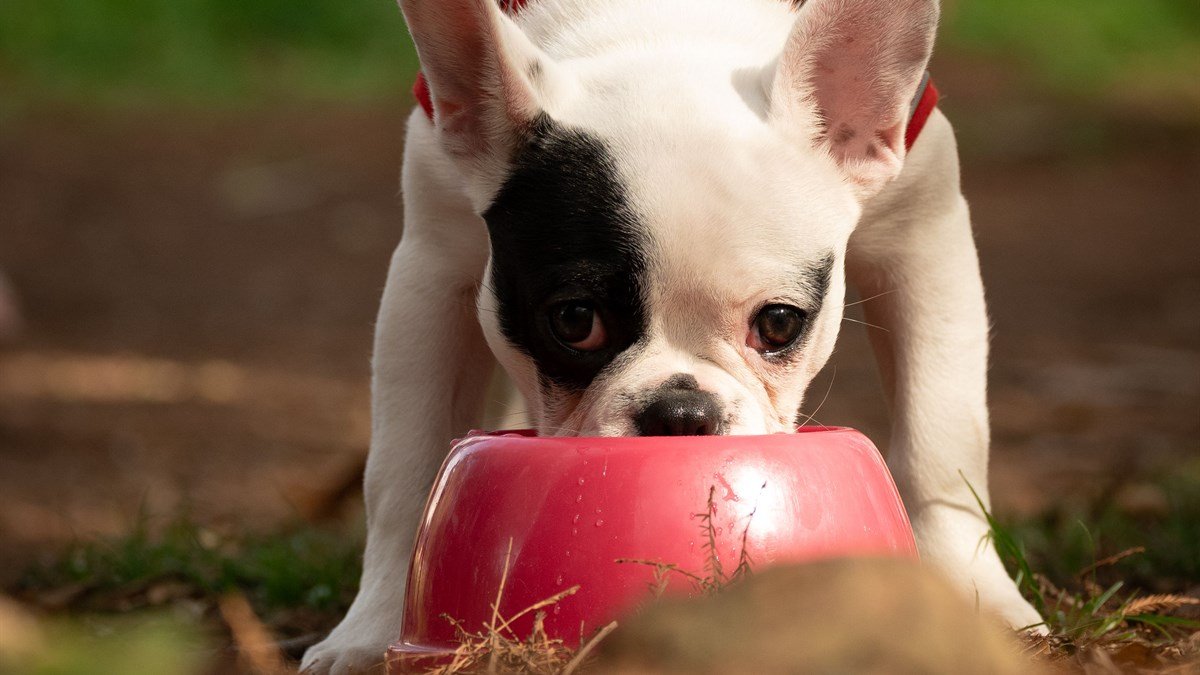
If your dog snorts after drinking water, the most common explanation is a reverse sneeze or a little water slipping into the nose, and both usually settle within seconds. The sound can be dramatic, though. Many owners describe a loud, honking inhale that makes it seem like their dog cannot breathe.
This guide explains what is happening in your dog’s nose and throat, the five most likely reasons a dog snorts after drinking water, simple fixes, and the signs that mean it is time to call your vet. Whether your dog snorts after drinking water once a week or after every drink, the steps below will help you separate normal from worrying.
What That Snorting Sound Actually Is
Most of the time, the noise is a reverse sneeze, which veterinarians also call paroxysmal respiration. In a normal sneeze, air is pushed out through the nose. In a reverse sneeze, the dog pulls air rapidly in through the nose instead, usually standing still with the head and neck stretched forward.
According to the Cornell University College of Veterinary Medicine, reverse sneezing helps clear irritation from the back of the nose and throat, and eating or drinking too quickly is listed among its triggers. Cornell also notes it is more common in flat-faced breeds and dogs under about 15 kg (roughly 33 pounds), though any dog can do it.
The dog is usually completely normal before and after the episode. If your dog snorts after drinking water and then goes right back to sniffing around, that pattern points toward a harmless reflex, not an emergency.
Snort, Reverse Sneeze, Cough, or Gag?
Owners use the word “snort” for several different sounds. Before working out why your dog snorts after drinking water, identify which sound you are actually hearing.
| Sound | What It Looks Like | Air Direction | Usually Means |
|---|---|---|---|
| Regular snort or sneeze | Quick burst, head may shake | Out through the nose | Water or dust tickled the nose |
| Reverse sneeze | Dog stands still, neck stretched, repeated loud inhales | In through the nose | Irritation at the back of the nose or throat |
| Cough | Mouth open, chest heaves, harsh “hack” | Out through the mouth | Water went toward the windpipe, or an airway problem |
| Gag or retch | Neck extended, mouth wide, may bring up foam | Out through the mouth | Throat irritation or nausea |
If what you see matches the first two rows, your dog snorts after drinking water because of something in the nose. A harsh, repeated cough is a different situation that deserves its own look with your vet.
5 Reasons Your Dog Snorts After Drinking Water
1. Water Goes Up the Nose
Dogs drink by curling the tongue backward like a ladle and flicking water into the mouth. Dogs who plunge the whole muzzle into a deep bowl can easily pull water into their nostrils.
The nose reacts the way yours would if you inhaled pool water: a sneeze, a snort, or a short reverse sneeze. If your dog snorts after drinking water only occasionally and only right at the bowl, this is the most likely explanation.
2. Drinking Too Fast
Some dogs treat the water bowl like a race, especially after a walk or a hot afternoon in the yard. Gulping means more splashing, more swallowed air, and more water hitting the back of the throat.
If your dog also splashes or digs at the bowl, our guide on why a dog paws at the water bowl covers that side of the routine. A dog that snorts after drinking water mainly after exercise is often just drinking faster than the airway can comfortably handle.
3. A Flat Face and a Narrow Airway
Brachycephalic breeds such as Pugs, French Bulldogs, English Bulldogs, Boston Terriers, and Shih Tzus have shortened skulls with tightly packed tissue in the nose and throat. Many also have narrow nostrils and a long soft palate.
That anatomy leaves less room for error. A few drops that a Labrador would barely notice can set off a noisy snort in a Frenchie. Cornell lists Brachycephalic Obstructive Airway Syndrome among the conditions linked to reverse sneezing, so if your flat-faced dog snorts after drinking water often, ask your vet about airway health.
Mixed breeds with a flat-faced parent can inherit the same traits. Owners of crosses like the ones in our French Bulldog and Pomeranian mix profile should watch for this pattern too.
4. Irritants in the Bowl or the Air
Sometimes the water is not the problem. Dust, pollen, food crumbs, or grass floating in the bowl can tickle the nose on the way in. A dog with seasonal allergies already has an irritated nose, so a little extra moisture and debris can trigger a reverse sneeze.
Scented cleaners used on the bowl, or a bowl placed next to an air freshener, may add to the irritation. If your dog snorts after drinking water more in spring and fall, allergies are worth raising with your vet.
5. Something Else in the Nose or Throat
Less often, drinking simply makes an existing problem more obvious. Cornell’s list of causes includes foreign material in the upper airway (a grass awn stuck in the nose is a classic example), infections, nasal mites, and masses.
These are far less common than a splash of water up the nose, but they will not go away on their own. A dog that snorts after drinking water and also sneezes at random times, paws at the face, or has discharge from one nostril needs a vet visit rather than a new bowl.
What to Do During an Episode
Most episodes end on their own within a few seconds to a minute. Cornell suggests a few ways that may help an episode end sooner:
- Gently massage the throat to encourage swallowing.
- Briefly cover the nostrils for a second or two, which prompts a swallow.
- Lightly blow in the dog’s face, which often makes them pause.
- Stay close and speak softly until breathing returns to normal.
Never push your fingers deep into your dog’s throat during a normal reverse sneeze. If your dog snorts after drinking water and then acts perfectly normal, you can usually relax.
Simple Fixes if Your Dog Snorts After Drinking Water
Because most cases come down to how the dog drinks, small changes at the bowl can make a real difference. Here is what often helps when a dog snorts after drinking water on a regular basis.
| Change | Why It Helps | Best For |
|---|---|---|
| Wider, shallower bowl | Less need to push the muzzle deep into water | Flat-faced breeds, long-muzzled “divers” |
| Slow-drink or floating-disc bowl | Limits how much water reaches the mouth per lap | Gulpers and post-exercise drinkers |
| Wait a few minutes after hard play | Lets breathing settle before drinking | Dogs who drink while panting hard |
| Clean and refill the bowl daily | Removes dust, hair, and food debris | Allergy-prone dogs |
| Unscented bowl cleaning | Avoids fragrance residue near the nose | Dogs with sensitive noses |
| Pet water fountain | Moving water is easier to lap in smaller amounts | Dogs who gulp from still bowls |
If you try these changes for a couple of weeks and your dog snorts after drinking water just as often, bring that information to your vet.
When a Dog Snorts After Drinking Water and You Should Call the Vet
An occasional snort is normal. What matters is frequency, severity, and other symptoms. Book a visit if you notice:
- Episodes getting more frequent or lasting longer than a minute or two
- Nasal discharge, especially bloody or from one nostril
- Pawing or rubbing at the face after drinking or eating
- Coughing, gagging, or vomiting alongside the snorting
- Noisy breathing at rest or tiring easily on walks
- Reduced appetite, lethargy, or new bad breath
Face rubbing can overlap with mouth or dental discomfort, which we cover in our article on why a dog rubs his face after eating.
Get emergency care right away if your dog’s gums or tongue look blue or gray, if they collapse, or if they struggle to breathe between episodes. Those signs are not a normal reverse sneeze.
What Your Vet May Check
If your dog snorts after drinking water often enough to worry you, your vet will start with a history and physical exam. Record a short video of an episode on your phone, since dogs rarely perform on cue in the exam room. Tell your vet how often your dog snorts after drinking water, how long episodes last, and whether anything else has changed.
Cornell notes that vets may treat for allergies or nasal mites in frequent cases. If the problem continues, they may recommend a sedated oral exam, head X-rays, or rhinoscopy, which uses a small camera to look inside the nasal passages.
We could not find published figures on how often these tests find a serious cause specifically when a dog snorts after drinking water, so we will not guess at numbers. Most dogs with occasional episodes never need more than a basic exam.
Frequently Asked Questions
Is it normal if my dog snorts after drinking water every day?
It can be, especially in flat-faced breeds or gulpers. If episodes are brief and your dog is otherwise healthy, a daily snort is often just how that dog drinks. A sudden change in pattern deserves a vet check.
Can reverse sneezing hurt my dog?
Usually not. It is alarming to watch but not harmful on its own. Even when a dog snorts after drinking water several times a week, the reflex itself is rarely the problem. The concern is any underlying cause if episodes are frequent.
My senior dog snorts after drinking water all of a sudden. Should I worry?
A brand-new habit in an older dog is worth a vet check, because dental disease, nasal growths, and infections become more common with age. It may still turn out to be harmless, but it is better to rule those out early.
Do puppies grow out of it?
Many puppies drink clumsily and get water up the nose. If a young dog snorts after drinking water, it often eases as they learn to lap more neatly. A puppy with nasal discharge or a cough should see a vet, though.
Should I limit water if my dog snorts after drinking water?
No. Dehydration is a far bigger risk than a harmless snort. Change the bowl and the pace instead.
This article is general information and not a substitute for veterinary advice. If your dog snorts after drinking water and also struggles to breathe, has blue or gray gums, or collapses, contact a veterinarian or emergency clinic right away. Last verified September 2026.
