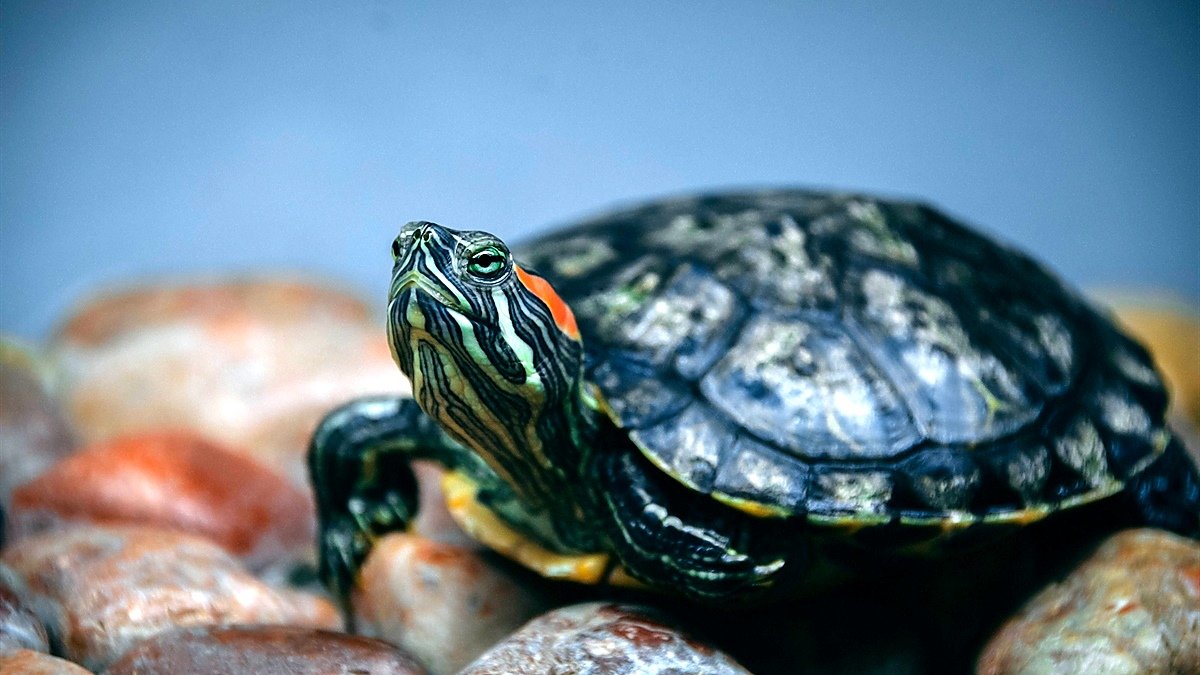
Tetra ReptoMin floating food sticks are one of the most recognizable turtle foods on pet store shelves. Many first-time turtle owners bring home a jar alongside their new red-eared slider or painted turtle, and plenty of experienced keepers still use it years later.
But is it a complete diet, or just one part of what a turtle needs? In this review, we look at what is in Tetra ReptoMin, how its nutrition compares to what turtles need, how often to feed it, the honest drawbacks, and how to build a balanced diet around it.
Quick Summary
Here is how Tetra ReptoMin stacks up at a glance:
| Area | Strength | Watch Out For |
|---|---|---|
| Protein | Fish meal and shrimp meal near the top | Plant starches and grains also high on the list |
| Calcium | Calcium listed in the guaranteed analysis | Turtles still need UVB lighting to use calcium |
| Convenience | Floating sticks are easy to portion and watch | Uneaten sticks can foul the water |
| Additives | Vitamins and minerals included | Added colors and ethoxyquin preservative |
| Reputation | Listed among trusted pellet brands by ReptiFiles | Not meant to be the only food |
This summary is based on the published ingredient list, guaranteed analysis, and care guides cited below. We did not run our own feeding trial.
Who Is Tetra ReptoMin For?
The product listing we checked describes Tetra ReptoMin Floating Food Sticks as a diet for all aquatic turtles, newts, and frogs. That includes popular pet turtles such as red-eared sliders, painted turtles, cooters, and map turtles.
It is not designed for land-dwelling tortoises or box turtles, which have very different diets. If you are not sure whether your turtle is aquatic or terrestrial, check with a reptile vet or a reputable care sheet for your species before choosing a food.
Ingredients: What’s in the Sticks
According to the product listing at That Fish Place – That Pet Place, the first 10 ingredients in Tetra ReptoMin Floating Food Sticks are:
Fish meal, wheat starch, dried yeast, corn flour, shrimp meal, wheat gluten, potato protein, de-hulled soybean meal, soybean oil, and monobasic calcium phosphate, followed by vitamins, minerals, colors, and a preservative.
What stands out:
- Animal protein first. Fish meal leads the list, and shrimp meal appears in the top five.
- Plenty of plant ingredients. Wheat starch, corn flour, wheat gluten, potato protein, and soybean meal all appear in the top nine. These help bind the sticks and add protein.
- Calcium source added. Monobasic calcium phosphate is in the top 10.
- Added colors. The listing includes blue 2 lake and yellow 6 lake.
- Ethoxyquin as a preservative. Some owners prefer to avoid this synthetic preservative, while others see it as an ordinary feed additive. We did not find veterinary guidance in our sources saying it is harmful at the levels used in turtle food, so we treat it as a personal preference.
Guaranteed Analysis
Here are the published values for Tetra ReptoMin Floating Food Sticks:
| Nutrient | Amount |
|---|---|
| Crude protein (min) | 42.5% |
| Crude fat (min) | 8.5% |
| Crude fiber (max) | 2% |
| Moisture (max) | 8% |
| Calcium (min) | 2% |
| Phosphorus (min) | 1.8% |
At 42.5% minimum protein, Tetra ReptoMin is a protein-rich food. That suits growing juvenile turtles, which need more protein, but it is one reason adult turtles should get pellets less often and more vegetables.
Using the minimum values, the calcium-to-phosphorus ratio works out to roughly 1.1 to 1. That is a rough estimate based on guaranteed minimums, not lab-measured amounts, but it shows the food is not phosphorus-heavy.
How Often to Feed Tetra ReptoMin
Turtles are easy to overfeed, and pellets are the most common culprit. The ReptiFiles guide to red-eared slider diets gives clear, age-based guidance:
| Age | Diet Balance | Pellets | Protein Foods | Vegetables |
|---|---|---|---|---|
| Under 1 year | About 50% protein, 50% vegetables | Every other day | Daily | Daily |
| Over 1 year | About 25% protein, 75% vegetables | 2–3 times per week | 1–2 times per week | Daily |
ReptiFiles also suggests that a single portion of pellets should be about the same size as your turtle’s head. That simple rule helps prevent the most common feeding mistake, which is tossing in a handful of sticks every day.
This table is written for red-eared sliders. Other aquatic species may need different ratios, so check a care guide for your exact turtle.
Pellets Are Not the Whole Diet
Tetra ReptoMin works best as one part of a varied diet. According to VCA Animal Hospitals’ guide to owning aquatic turtles, red-eared sliders can be fed a combination of commercial turtle pellets, small fish, and a variety of vegetables, and they also need calcium and multivitamin supplements.
ReptiFiles stresses that variety is key, and that feeding the same food over and over is likely to cause nutritional imbalance. Good additions include:
- Leafy greens such as dandelion, collard, or mustard greens
- Aquatic plants your turtle can graze on
- Occasional protein foods suited to your turtle’s age and species
- A cuttlebone for extra calcium, with the hard backing removed first, as ReptiFiles advises
UVB Lighting Matters as Much as Food
Even a calcium-rich pellet cannot do its job without proper lighting. VCA notes that UVB light is essential for turtles to absorb calcium, and that turtles without adequate UVB can develop serious skeletal problems.
So if you feed Tetra ReptoMin and supplements but skip the UVB bulb, your turtle can still end up with bone and shell problems. Replace UVB bulbs on the schedule the manufacturer recommends, since their output fades over time even when the light still looks bright.
Keeping the Water Clean
Floating sticks are easy to watch, which helps you see exactly how much your turtle eats. But any sticks left floating will soften, break apart, and pollute the water.
VCA stresses the need for a good filter or regular weekly water changes. A few tips:
- Remove uneaten sticks within a few minutes of feeding.
- Feed in a separate container if your turtle is a messy eater, then return it to the tank.
- Do not overfeed. Extra food means extra waste.
Juvenile vs. Adult Turtles
Young turtles grow quickly and need more protein, which is why care guides offer pellets more often in the first year. A juvenile slider eating Tetra ReptoMin every other day, plus daily greens and protein foods, matches the ReptiFiles schedule.
As turtles mature, many become more interested in plants. Adults that keep eating protein-rich pellets every day can gain too much weight and may develop shell and health problems. Cutting Tetra ReptoMin back to two or three times a week, while offering greens daily, keeps the diet in balance. If your adult turtle ignores vegetables, try offering greens first, before any pellets, when it is hungriest.
Signs You May Be Overfeeding
Overfeeding is common, especially with floating sticks that turtles eagerly snap up. Watch for:
- Folds of skin bulging around the legs and neck when your turtle pulls in
- Leftover food floating in the tank after feeding
- Cloudy water or algae growth that returns quickly
- A turtle that begs constantly and ignores vegetables
If you see these signs, reduce the number of Tetra ReptoMin sticks, stick to the head-size portion rule, and talk to a reptile vet about your turtle’s weight.
Storing the Sticks
Keep the jar tightly closed and stored in a cool, dry place away from the tank, since humidity can make pellets soft or moldy. Buy a size you can use before the best-by date. Large tubs save money for big collections, but a smaller jar of Tetra ReptoMin stays fresher for one or two turtles.
Switching Foods
If you are moving your turtle onto Tetra ReptoMin from another pellet, mix the two for about a week and slowly increase the new food. Most aquatic turtles accept floating sticks quickly, but a gradual switch is gentler and helps you spot any changes in appetite or stool.
What Owners Tend to Like
- Turtles usually accept it readily, which makes it a useful starter food
- Floating sticks make it easy to see when your turtle has finished eating
- Widely available in pet stores and online
- Affordable compared with many specialty turtle pellets
- Trusted name, since ReptiFiles includes Tetra ReptoMin in its list of recommended pellet brands
We tried to load retailer review pages for owner ratings, but they were not accessible when we checked, so we are not quoting star ratings or review counts.
Potential Drawbacks
- Added colors that serve no nutritional purpose
- Ethoxyquin preservative, which some owners prefer to avoid
- Grain and starch content that is higher than in some premium pellets
- Easy to overfeed, which can lead to obesity and dirty water
- Not a complete diet on its own for adult turtles
How It Fits With Other Prepared Diets
Prepared diets make exotic pet care simpler, but they all work best with variety. Our Repashy Crested Gecko Diet review looks at a powdered diet for a very different reptile, and the same lesson applies: a good base food plus enrichment beats a single food fed forever.
If you keep birds as well, our ZuPreem FruitBlend review explains how pellets fit into a budgie’s diet alongside fresh vegetables.
Who Should Consider Tetra ReptoMin
It may suit:
- New turtle owners who want an easy, widely available pellet
- Juvenile turtles that need more protein while growing
- Picky turtles that ignore other pellets
It may not be the best fit for:
- Owners who want dye-free or preservative-free food
- Tortoises and box turtles, which need different diets
- Adult turtles fed pellets daily, unless portions are cut back
Frequently Asked Questions
Is Tetra ReptoMin enough on its own?
No. Care guides recommend pellets as one part of the diet, along with vegetables and occasional protein foods, plus calcium and proper UVB lighting.
How much Tetra ReptoMin should I feed?
ReptiFiles suggests a pellet portion about the size of your turtle’s head. Juveniles get pellets every other day, and adults two to three times a week.
Can I feed Tetra ReptoMin to a tortoise?
No. It is made for aquatic turtles, newts, and frogs. Tortoises need a diet designed for land species.
Why are the sticks colored?
The listing includes blue 2 lake and yellow 6 lake. These are added colors, not nutrients.
This review is general information and not a substitute for advice from a reptile veterinarian. Diet needs vary by species and age, and turtles also need proper UVB lighting and clean water. Wash your hands after feeding or handling turtles, as VCA advises, since turtles can carry Salmonella. Last verified October 2026.
