If you’re thinking about bringing home a pet mammal that isn’t a cat or dog, you’re looking at a wide group of animals — from guinea pigs and rabbits to hamsters, rats, and ferrets. Each species has its own personality, lifespan, and care routine, so “easy” is relative. This guide breaks down what pet mammals actually need day to day, which ones suit which households, and the health precautions that often get skipped.
Pet Mammals (Quick Facts)
| Category | Details |
| What they are | Small non-canine, non-feline mammals kept as household pets — rodents, rabbits, ferrets, and hedgehogs |
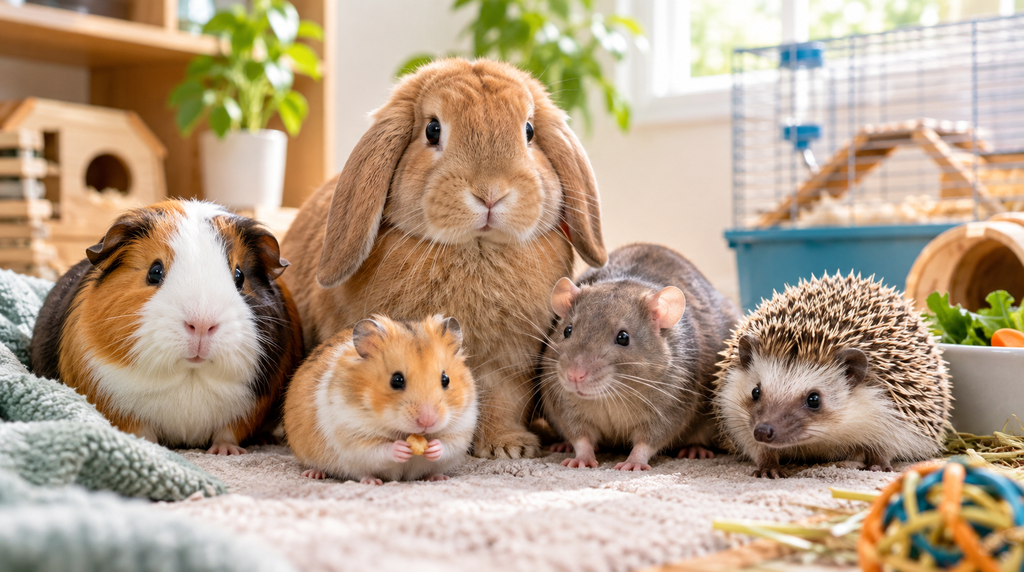
| Common species | Guinea pigs, hamsters, rats, mice, gerbils, rabbits, ferrets, chinchillas, hedgehogs |
| Main purpose | Companionship, low-footprint pet ownership, teaching kids responsibility |
| Best suited for | Apartment dwellers, first-time small-pet owners, families with older children, people wanting a lower-cost alternative to dogs/cats |
| Lifespan range | 1.5–4 years (hamsters, mice) up to 8–12 years (rabbits, ferrets) |
| Key considerations | Species-specific housing, diet, handling supervision, and hygiene to prevent zoonotic illness |
What Is a Pet Mammal?
A pet mammal is any warm-blooded, fur-covered animal kept as a household companion that isn’t a dog or cat. In everyday use, the term usually points to smaller species: guinea pigs, hamsters, rats, gerbils, rabbits, and ferrets are the most common examples.
These animals are sometimes grouped under “small mammals” or “pocket pets,” though ferrets and rabbits are larger and behave quite differently from rodents. What they share is a need for a secure enclosure, a species-appropriate diet, and regular interaction with their owner — even if that interaction looks different from walking a dog.
How Do Pet Mammals Fit Into a Household?
Pet mammals generally live in an enclosure — a cage, hutch, or multi-level habitat — rather than roaming a home freely. Daily care revolves around fresh food and water, spot-cleaning the habitat, and scheduled handling time outside the cage under supervision.
Some species, like Syrian hamsters, are solitary and territorial and should be housed alone. Others, like guinea pigs and rats, are social and tend to do better in same-sex pairs or small groups. Matching the species’ social needs to your living situation is one of the most overlooked parts of choosing a pet mammal.
Most small mammals are also nocturnal or crepuscular, meaning they’re most active at dawn, dusk, or overnight. That’s worth factoring in if you want a pet that’s awake and interactive during the day.
Benefits of Keeping Pet Mammals
Lower space and cost requirements. Compared to a dog, most pet mammals need less square footage and generally cost less in food and initial setup, though enclosure quality and vet care still add up.
Good starter responsibility for kids. Daily feeding and cage maintenance can teach routine and care, though direct supervision matters — small mammals can be fragile and easily stressed by rough handling.
Personality and companionship. Guinea pigs are known for vocalizing (a behavior often called “wheeking”) when they anticipate food, and rats are frequently described by owners and small-animal vets as intelligent and trainable to simple commands.
Flexible for smaller living spaces. Apartment renters who can’t have a dog often can keep a habitat-based mammal, though it’s worth double-checking lease terms first — some buildings restrict rodents specifically.
Potential Drawbacks or Risks
Zoonotic disease risk. According to the Centers for Disease Control and Prevention (CDC), small mammals can sometimes carry germs that make people sick even when the animals look clean and healthy. Diseases linked to small mammals include Salmonella infection, ringworm, rat-bite fever, and lymphocytic choriomeningitis, among others.
Higher risk for certain people. The CDC notes that children younger than 5, adults 65 and older, and people with weakened immune systems are more likely to get seriously ill from germs carried by small mammals. Pregnant women are specifically advised to avoid handling pet rodents when possible, due to lymphocytic choriomeningitis virus risk.
Short lifespans for some species. Hamsters and mice often live only 1.5 to 3 years, which can be emotionally difficult for children forming an attachment.
Specialized vet care. Not every veterinary clinic treats exotic or small mammals. The CDC recommends locating an exotic-animal vet before bringing a pet home, since general practitioners may not offer the right expertise.
Fragility and handling stress. Small mammals can be injured by falls or rough handling, and some species (like hamsters) may bite if startled or surprised.
Is a Pet Mammal Good for Kids?
It depends on the species and the child’s age. Docile, larger-bodied animals like guinea pigs tend to tolerate gentle handling better than small, fast-moving hamsters or gerbils, which can be easily frightened.
Because young children are named by the CDC as a higher-risk group for illnesses spread by small mammals, hand-washing after handling the pet or its habitat is a non-negotiable habit for families with kids. Direct adult supervision during handling — not just at first, but consistently — reduces both bite risk and disease exposure.
Pet Mammal Species Comparison
| Species | Typical Lifespan | Social Needs | Handling Difficulty | Good First Pet? |
| Guinea pig | 5–7 years | Social (pairs/groups) | Easy — calm, ground-dwelling | Yes |
| Syrian hamster | 2–3 years | Solitary | Moderate — quick, can nip if startled | Yes, with supervision |
| Fancy rat | 2–3 years | Social (pairs/groups) | Easy — generally docile, trainable | Yes |
| Rabbit | 8–12 years | Social or solitary | Moderate — needs confident handling | Yes, for committed owners |
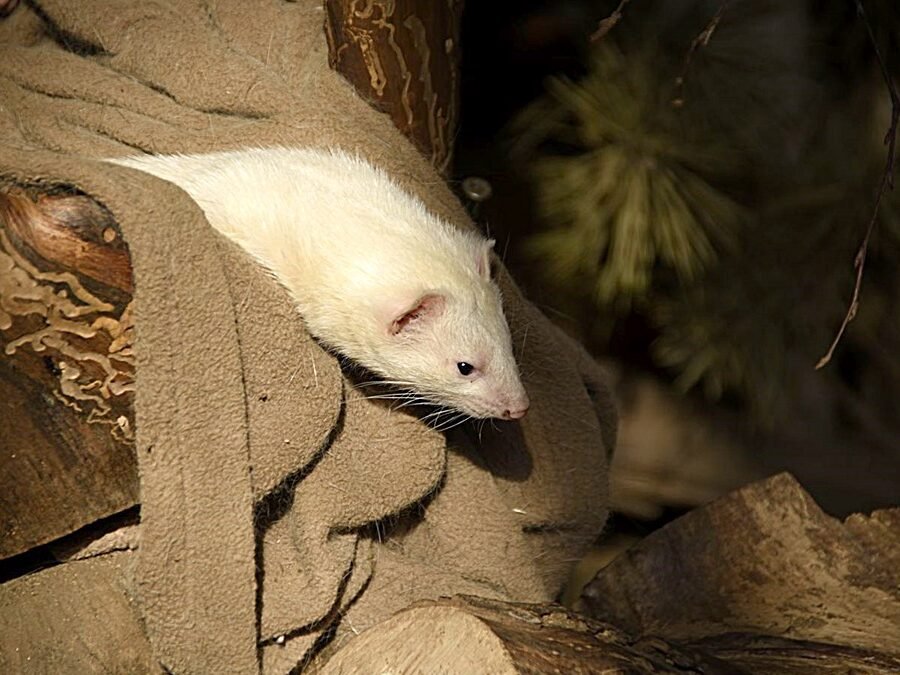
| Ferret | 6–10 years | Social | Moderate to advanced | Better for experienced owners |
| Hedgehog | 4–6 years | Solitary | Advanced — quills, can be defensive | Not usually |
Housing and Diet Basics
Enclosure size should match the species, not just its body size. Guinea pigs need substantially more floor space than most commercial “starter” cages provide — small-animal welfare groups generally recommend a minimum footprint well beyond what pet stores often sell as adequate.
Diet is species-specific: guinea pigs require a hay-based diet with vitamin C supplementation (they can’t synthesize it themselves), while hamsters and gerbils do well on a formulated seed-and-pellet mix with limited fresh produce. Always confirm specific dietary needs with an exotic or small-animal veterinarian rather than relying solely on pet store staff.
Frequently Asked Questions
What are considered pet mammals?
Pet mammals typically include guinea pigs, hamsters, rats, mice, gerbils, rabbits, ferrets, chinchillas, and hedgehogs — small, non-canine, non-feline species kept as household companions.
What is the easiest pet mammal to take care of?
Guinea pigs and fancy rats are often considered easier for beginners because they’re generally docile, social, and tolerate gentle handling well, though every animal has individual temperament differences.
Are small pet mammals good for kids?
They can be, especially calmer species like guinea pigs, but young children need supervision during handling and should always wash their hands afterward due to zoonotic disease risk.
Can pet mammals make you sick?
Yes. The CDC states that small mammals can carry germs such as Salmonella even when they appear healthy, so hand-washing after handling the animal or its habitat is important.
What is the friendliest small mammal pet?
Guinea pigs and rats are frequently described as among the more sociable and easily tamed small mammals, though friendliness also depends on how early and how gently an animal was handled.
How long do pet mammals like hamsters and guinea pigs live?
Hamsters typically live 2–3 years, while guinea pigs often live 5–7 years — a significant difference worth considering before choosing a species.
Do pet mammals need a vet?
Yes. The CDC recommends finding an exotic-animal veterinarian before adopting, since many small mammals need specialized care not all general vet clinics provide.
What is the difference between a pet mammal and an exotic pet?
“Pet mammal” is a broad category that includes common species like hamsters and rabbits, while “exotic pet” usually refers to less common or more specialized animals — though there’s overlap, since hedgehogs and sugar gliders are sometimes classified as both.
Should pet mammals be allowed to roam the house freely?
Generally no — the CDC advises against letting small mammals roam freely and recommends supervision when they’re outside their habitat, to prevent injury and contamination of living spaces.
Can pregnant women handle pet rodents?
Health guidance recommends pregnant women avoid handling pet rodents when possible, due to the risk of lymphocytic choriomeningitis virus, which can affect pregnancy.
Must read our other blogs:
PetSmart Adoption Weekend 2025: Essential Adoption Guide