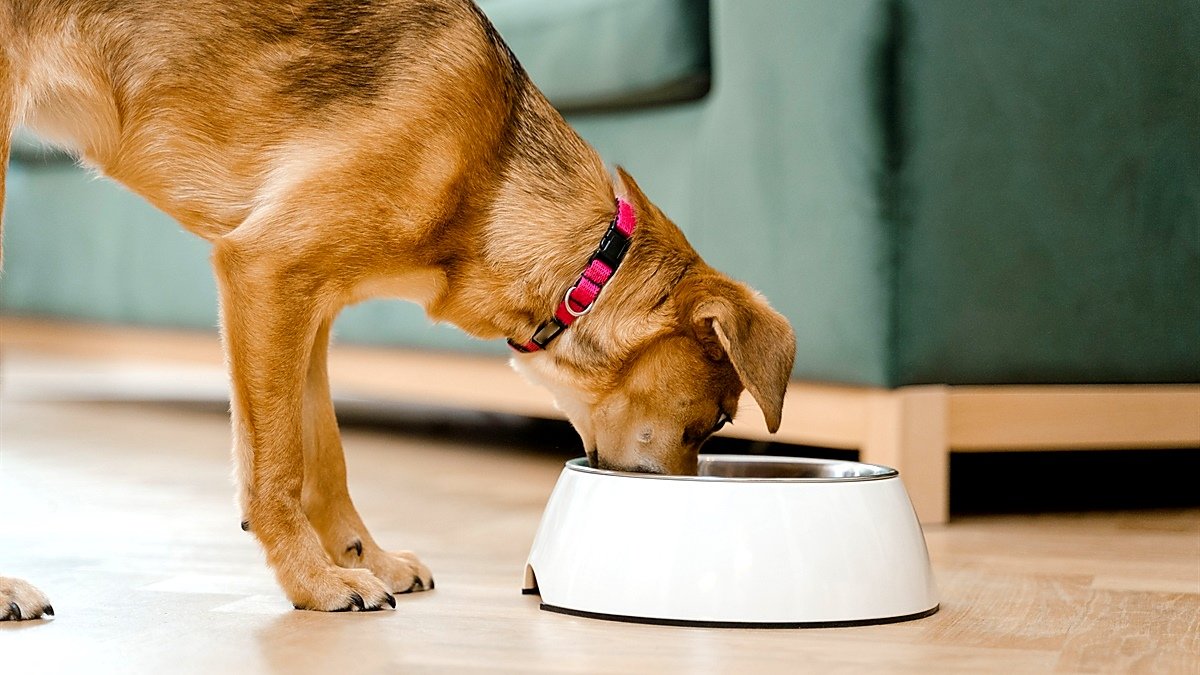
If your dog shakes head after eating, the reason may be as simple as food stuck on the lips or whiskers. A quick shake to fling off a bit of kibble or gravy is normal. But if your dog shakes hard, tilts the head, paws at an ear, or does it after every meal, something else may be going on.
This guide explains the most common reasons a dog shakes head after eating, how to tell a harmless shake from a warning sign, what your vet will check, and what you should avoid doing at home.
Normal Shake or Problem? A Quick Comparison
When a dog shakes head after eating, the pattern tells you a lot. Here is how a harmless shake usually differs from one that needs attention:
| Usually Harmless | Worth a Vet Visit |
|---|---|
| One or two quick shakes right after eating | Repeated or violent shaking, often several times a day |
| Happens mainly with wet or sticky food | Happens with every meal, or also between meals |
| No other symptoms | Ear odor, redness, discharge, or scratching |
| Dog eats normally | Dropping food, chewing on one side, or eating slowly |
| Ears look and smell clean | Head tilt, pawing at the face, or a swollen ear flap |
If your dog shakes head after eating once in a while and seems fine otherwise, it is probably nothing. If you see anything from the right-hand column, keep reading.
6 Reasons a Dog Shakes Head After Eating
1. Food Stuck to the Face
The simplest explanation is mess. Wet food, gravy, peanut butter, and sticky treats can cling to the lips, whiskers, and fur around the mouth. Dogs cannot wipe their faces with a napkin, so a quick shake is their way of cleaning up. If your dog shakes head after eating only with certain foods and the shaking stops right away, mess is the most likely cause.
Some dogs also rub their faces on the carpet or furniture after meals for the same reason. Our guide on why a dog rubs his face after eating covers that related habit in detail.
2. Ear Infection or Inflammation
Ear problems are one of the most common medical reasons a dog shakes head after eating. According to the Merck Veterinary Manual, inflammation of the ear canal lining, called otitis externa, is the most common ear canal disorder in dogs. Head shaking, a bad smell, redness, swelling, scratching, discharge, and scaly skin are typical signs.
Why would an ear bother a dog more at mealtime? The jaw joint sits right next to the ear canal, so chewing moves the area around a sore ear. Many owners first notice ear trouble when the dog shakes head after eating, because the movement makes the discomfort more obvious.
Merck lists several causes of otitis externa, including parasites, foreign objects, allergies, bacterial or yeast infections, and middle ear infections. It also notes that dogs with certain ear flap or ear canal shapes are more at risk. Any of these can explain why a dog shakes head after eating more than usual.
3. Something Stuck in the Ear
Grass seeds, plant awns, and other debris can work their way into the ear canal, especially after walks in long grass. A foreign object usually causes sudden, intense head shaking, often on one side, along with pawing at the ear or tilting the head. Merck includes foreign objects among the causes of ear inflammation.
If your dog suddenly shakes head after eating and also after walks, and seems focused on one ear, a foreign body is worth ruling out quickly.
4. Dental or Mouth Pain
Pain in the mouth can make chewing uncomfortable. A broken tooth, gum disease, a loose tooth, a mouth sore, or something wedged between the teeth, like a piece of stick or bone, can all lead to head shaking during or after meals.
Clues that point to the mouth rather than the ears include:
- Chewing on only one side
- Dropping food or eating more slowly
- Pawing at the mouth rather than the ear
- Bad breath, drooling, or blood on toys
- Reluctance to eat hard kibble or chew toys
If your dog shakes head after eating hard food but not soft food, a sore tooth may be the cause.
5. Food Allergies or Skin Allergies
Allergies can make the skin, ears, and face itchy. Merck lists allergies among the causes of ear inflammation in dogs. A dog with food or environmental allergies may shake its head, scratch its ears, lick its paws, or rub its face, and the itch can seem worse around mealtimes.
If you notice head shaking along with paw licking, red skin, recurring ear problems, or soft stools, allergies are worth discussing with your vet. Food allergies are usually diagnosed with a strict elimination diet under veterinary guidance, not by switching foods at random. If your dog shakes head after eating mostly during certain seasons, mention that to your vet, since it can help separate environmental and food allergies.
6. Water or Food Up the Nose
Some dogs, especially eager eaters and flat-faced breeds, inhale a bit of food or water while eating and drinking. That can trigger sneezing, snorting, and head shaking. When a dog shakes head after eating for this reason, it is usually brief and comes with a sneeze. Our guide on why a dog snorts after drinking water explains a closely related reaction.
Ear Problems vs. Mouth Problems: How to Tell
If your dog shakes head after eating often, the ears and teeth are the two main areas to check, so it helps to narrow them down at home.
| Clue | Points to Ears | Points to Mouth |
|---|---|---|
| Smell | Yeasty or foul odor from the ear | Bad breath from the mouth |
| Pawing | At the ear or side of the head | At the mouth or muzzle |
| Discharge | Brown, yellow, or waxy material in the ear | Drool, sometimes with blood |
| Eating | Usually normal | Slow, one-sided chewing, dropping food |
| Head position | Tilted toward one side | Usually normal |
Watch for an Ear Hematoma
Repeated, violent head shaking can break small blood vessels in the ear flap, causing it to fill with blood and swell up like a soft pillow. This is called an aural hematoma. It is not an emergency, but it does need veterinary treatment. If your dog shakes head after eating hard enough that one ear flap becomes puffy, see your vet soon, and treat the underlying cause of the shaking too.
Puppies and Senior Dogs
Puppies are messy eaters, and many shake their heads simply because food ends up on their faces. Teething can also make the mouth sore between about three and six months of age. If a young dog shakes head after eating and also chews everything in sight, teething may be part of the picture. Ear mites are another possibility in puppies, so a vet check is worthwhile if the ears look dirty or itchy.
Older dogs are more likely to have dental disease, ear growths, or long-standing allergies. When a senior dog shakes head after eating, look closely at the teeth and gums, and watch for weight loss or slower eating.
Keep a Simple Symptom Log
A short log helps your vet a lot, especially if the shaking comes and goes. For one or two weeks, write down:
- Which meals trigger the shaking, and what food was served
- Whether one ear seems more affected than the other
- Any scratching, pawing, odor, or discharge
If you can, film a short clip on your phone. Seeing exactly how your dog shakes head after eating can help your vet tell a quick mess-clearing shake from a pain response, and it saves time at the appointment.
What Your Vet Will Check
When you bring in a dog that shakes head after eating, your vet will usually:
- Look inside both ears with an otoscope
- Take a sample of ear debris to check for yeast, bacteria, or mites under a microscope
- Examine the mouth and teeth, sometimes under sedation for a thorough look
- Recommend further tests, such as dental X-rays or allergy workups, if needed
Merck notes that identifying all possible causes is essential, since an untreated underlying cause can lead to ear problems that keep coming back.
What Not to Do at Home
- Do not put vinegar mixtures or other home remedies in the ear. Merck warns that irritating home remedies can worsen swelling and secretions.
- Do not use leftover ear drops from a previous infection without a vet check. A damaged eardrum changes which medications are safe.
- Do not try to remove a foreign object yourself if you cannot see it clearly at the entrance of the ear.
Simple Ways to Reduce Mealtime Mess
If your vet finds no medical problem and the shaking is just about mess, a few changes can help:
- Wipe your dog’s face with a damp cloth after wet meals.
- Keep facial hair trimmed around the mouth and chin.
- Use a wide, shallow bowl so your dog’s face does not sink into the food.
If your dog shakes head after eating only because of mess, these small steps usually solve it without any medical treatment.
When to Call Your Vet
Contact your vet if your dog shakes head after eating and also:
- Does it after every meal or many times a day
- Has red, smelly, or discharging ears
- Tilts its head, loses balance, or walks in circles
- Has a swollen ear flap
- Chews on one side, drops food, or stops eating
- Seems in pain when you touch the ears or face
Frequently Asked Questions
Is it normal if my dog shakes head after eating?
An occasional quick shake after a messy meal is normal. Frequent or violent shaking, or shaking with other symptoms, should be checked by a vet.
My dog shakes head after eating but seems fine. Should I worry?
Probably not if the shake is brief and there are no other symptoms. Keep an eye on the ears, teeth, and appetite.
Can an ear infection make a dog shake its head while eating?
Yes. Chewing moves the area near the ear canal, so an inflamed ear can feel worse during meals.
Could my dog’s teeth be the problem?
Yes. Dental pain can cause head shaking during or after eating, especially with hard food.
How do I know if it is an emergency?
Head tilt, loss of balance, a sudden refusal to eat, or signs of severe pain need prompt veterinary care.
This article is general information and not a substitute for veterinary advice. Do not put home remedies or old ear drops in your dog’s ears without a diagnosis. If your dog has a head tilt, balance problems, or a swollen ear flap, contact your veterinarian promptly. Last verified October 2026.
Sources
- American Kennel Club, Dog Ear Infections: symptoms, causes and treatment of ear infections in dogs.
