Iams ProActive Health is one of the most widely available mainstream dog food lines, sold in nearly every grocery store and big-box retailer rather than being a boutique or specialty brand. That accessibility is exactly the point — Iams ProActive Health is built to be an affordable, everyday option rather than a premium or novel-protein specialty diet, and this review breaks down whether that positioning holds up on ingredients, nutrition, and safety history.
Quick Answer
- Iams ProActive Health is a mainstream, budget-friendly dry dog food line with formulas for different life stages and breed sizes
- Small Breed Adult formula: 27% minimum crude protein, 17% minimum crude fat
- Chicken is the first ingredient, followed by chicken by-product meal and whole grains
- The brand has a documented recall history from 2007–2013, with no recalls reported since
- Dog Food Advisor rates the line around 2.5 out of 5 stars, citing ingredient quality concerns typical of mainstream formulas
What’s Actually in Iams ProActive Health
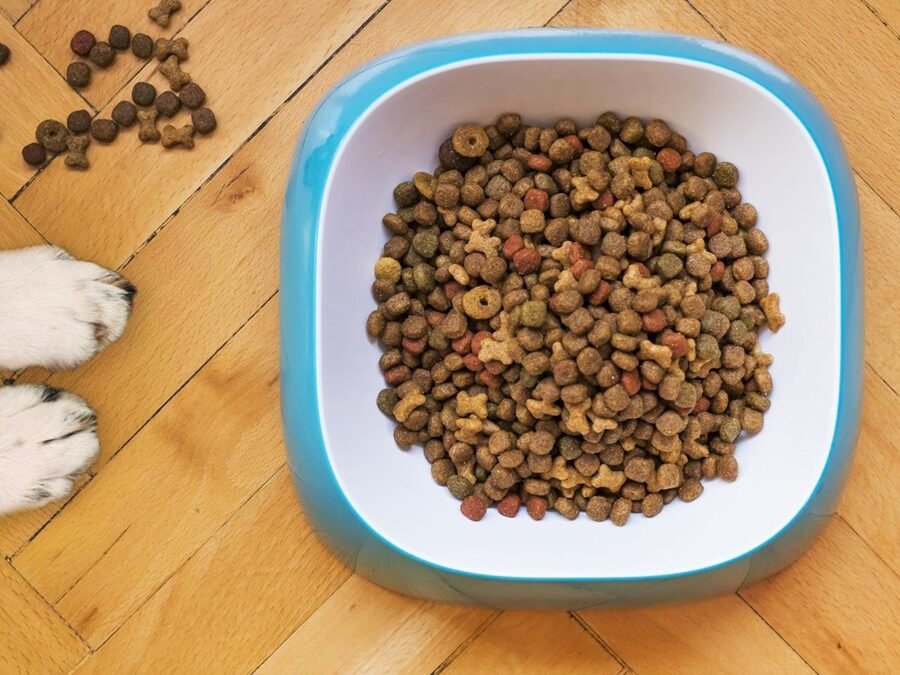
The Small Breed Adult formula lists chicken first, followed by chicken by-product meal, ground whole grain corn, ground whole grain sorghum, and chicken fat preserved with mixed tocopherols. Further down the list are dried beet pulp, dried egg product, flaxseed, and a mix of vegetables including carrots, tomatoes, and spinach, along with fructooligosaccharides (a prebiotic fiber) and standard vitamin and mineral supplementation.
This ingredient profile is typical of mainstream, mass-market dog food — real chicken as the primary protein, whole grains rather than a grain-free formula, and a byproduct meal as a secondary protein source, which is common across this price tier but is exactly what separates Iams ProActive Health from boutique or specialty brands that avoid byproducts entirely.
Guaranteed Analysis (Small Breed Adult)
| Nutrient | Amount |
|---|---|
| Crude Protein (min) | 27.0% |
| Crude Fat (min) | 17.0% |
Guaranteed analysis varies somewhat across the different Iams ProActive Health formulas — Large Breed, Mature Adult, and Healthy Weight versions adjust protein, fat, and calorie levels for their specific target dogs. The Small Breed Adult numbers above sit in a fairly standard range for mainstream adult dog food, neither unusually high-protein nor obviously under-formulated.
Iams ProActive Health’s Recall History
Iams has a real recall history worth knowing about, concentrated between 2007 and 2013. In 2007, Iams products were among dozens affected by the large Menu Foods melamine contamination event that impacted numerous pet food brands industry-wide. Between 2010 and 2011, several Iams cat food lots were recalled over salmonella and low thiamine levels, and a small production run of dry dog food was recalled in December 2011 due to elevated aflatoxin levels. In 2013, Procter & Gamble (which owns Iams) recalled specific lots of Iams and sister-brand Eukanuba dry foods over potential salmonella contamination, alongside a separate market withdrawal for possible mold growth.
As of this writing, no new Iams recalls have been reported since that 2013 cluster — a genuinely clean decade-plus safety record following an earlier period with several issues. You can check the FDA’s current recall and safety alert listings directly for the latest status before purchasing.
Weighing Recall History Against Other Brands
A cluster of recalls between 2007 and 2013 sounds concerning in isolation, but context matters — many established pet food brands have at least one recall event in their history, and what matters more is the pattern since. Our Acana Cat Food Recall History breakdown covers a brand with a nearly opposite track record, having avoided any formal FDA-classified recall despite some quality-control controversy over the years. Comparing the two illustrates that recall history alone isn’t a complete picture — a brand’s response, the time since its last incident, and current manufacturing practices all matter alongside the raw count of past events.
What Reviewers and Owners Say
Dog Food Advisor rates the Iams ProActive Health line at roughly 2.5 out of 5 stars, a rating driven mainly by the presence of corn, sorghum, and by-product meal rather than any specific safety concern — this reflects a common critique of mainstream dog foods generally rather than something unique to Iams. Customer reviews on major retail sites are more mixed and practical: many owners report their dogs do well on it with good energy levels and a shinier coat, while a smaller number describe digestive upset, particularly when switching a puppy onto the food too quickly. Reports of softer stools after switching to the senior/mature formula also come up periodically in reviews.
Value: Where Iams ProActive Health Actually Fits
The honest positioning for Iams ProActive Health is as a step up from the cheapest supermarket kibble, without reaching boutique or prescription-diet pricing. For owners managing a tight budget who still want real named-meat protein as the first ingredient rather than unnamed “meat meal” or corn-heavy formulas found in bottom-tier brands, Iams ProActive Health represents a reasonable middle ground — not the highest-rated food on paper, but a genuine step above the cheapest options at a price most households can sustain long-term.
Where to Buy and What to Expect on Price
Iams ProActive Health’s biggest practical advantage is availability — unlike boutique brands that require a specialty pet store or online order, Iams ProActive Health is stocked at most major grocery chains, big-box retailers like Walmart and Target, and pet-specific chains like Petco and Petsmart, alongside online retailers like Chewy. Pricing typically runs noticeably lower per pound than boutique or grain-free competitors, which is the core tradeoff of this brand: broader availability and lower cost in exchange for a more mainstream ingredient profile rather than premium or novel sourcing.
Who Should Consider Iams ProActive Health
This formula makes sense for healthy adult dogs without specific dietary restrictions, owners prioritizing consistent availability (it’s sold nearly everywhere) and predictable cost over boutique ingredient sourcing, and multi-dog households where feeding cost adds up quickly across several animals. It’s a less obvious fit for dogs with diagnosed food sensitivities, since it isn’t a limited-ingredient or novel-protein formula, and for owners specifically seeking grain-free or boutique-brand ingredient sourcing as a priority over cost.
How to Transition to Iams ProActive Health
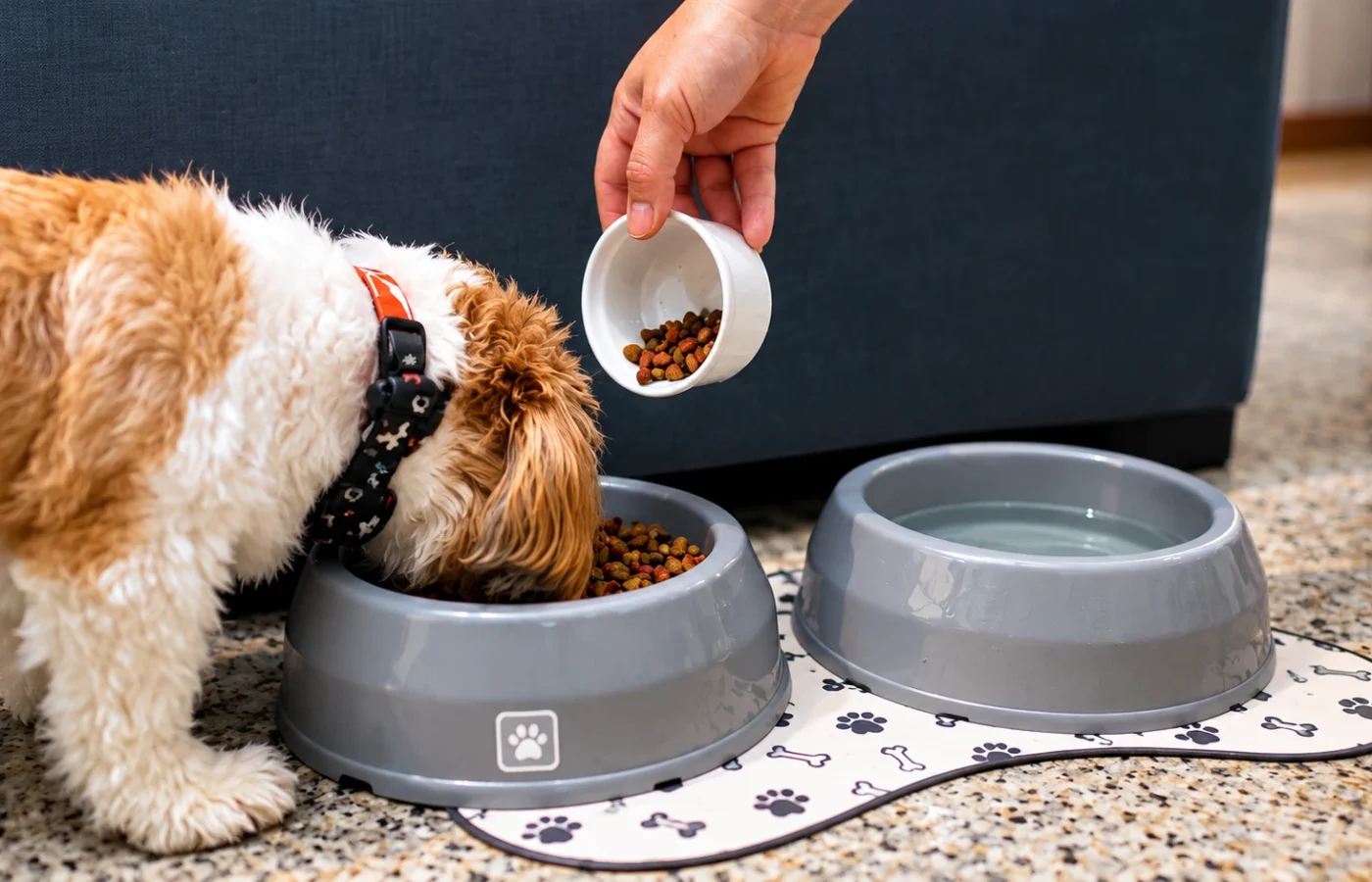
Given the digestive upset some reviewers report, a gradual transition matters more than the marketing suggests. Mix increasing amounts of Iams ProActive Health into your dog’s current food over 7–10 days, watching stool consistency along the way, and slow the transition further if you notice loose stools rather than pushing through on the original schedule. This is standard practice for any food switch, but it’s worth emphasizing here given how frequently digestive adjustment comes up in real owner feedback.
Comparing Formulas Within the Iams ProActive Health Line
One detail worth knowing before you buy is that Iams ProActive Health isn’t a single recipe — it’s a full line covering small breed, large breed, mature/senior, healthy weight, and puppy formulas, each with its own adjusted nutrient profile. A large-breed puppy formula, for instance, is calibrated with different calcium and phosphorus ratios than the small breed adult version, specifically to support controlled bone growth in bigger dogs rather than the faster growth pattern smaller breeds handle safely. Grabbing the wrong formula for your dog’s actual size and life stage — an adult formula for a growing large-breed puppy, for example — can matter more than most owners realize, so checking that the specific bag matches your dog’s current stage is worth the extra minute at the store.
What “ProActive Health” Actually Means as a Name
The “ProActive Health” branding refers to Iams’ inclusion of prebiotics (like the fructooligosaccharides found in the ingredient list) intended to support digestive health, along with standard vitamin and mineral fortification aimed at coat and immune support. It’s worth being clear-eyed about this kind of branding across the pet food industry generally: these additions are genuinely present in the formula, but “ProActive Health” is a marketing name rather than a certified nutritional standard, so it shouldn’t be read as a claim that this formula outperforms every competitor nutritionally. Reading the actual guaranteed analysis and ingredient list, as covered above, tells you more than the product name does.
Iams ProActive Health: The Bottom Line
Iams ProActive Health delivers what it promises: an affordable, widely available mainstream dog food with real chicken as the first ingredient and a decade-plus clean safety record following an earlier cluster of recalls between 2007 and 2013. It won’t outscore boutique or novel-protein brands on paper, and mainstream review sites reflect that with modest ratings — but for budget-conscious owners of healthy adult dogs without specific dietary needs, it remains a reasonable, accessible everyday choice.
FAQ
Has Iams ProActive Health ever been recalled?
Yes — Iams had recalls between 2007 and 2013 related to melamine, salmonella, thiamine, and aflatoxin. No new recalls have been reported since 2013.
How much protein is in Iams ProActive Health?
The Small Breed Adult formula has 27% minimum crude protein and 17% minimum crude fat; other formulas vary slightly.
Is Iams ProActive Health grain-free?
No — it contains whole grain corn and sorghum rather than being a grain-free formula.
Is Iams ProActive Health a good budget dog food?
Yes, relative to bottom-tier supermarket brands — it uses real named chicken as the first ingredient at a price point below most boutique brands.
Where can I buy Iams ProActive Health?
It’s widely stocked at grocery stores, big-box retailers, pet specialty chains, and online through Chewy and similar retailers.
Ingredients, pricing, and recall status can change — check the current bag label and FDA resources directly before making a feeding decision. Last verified September 2026.