Choosing the right food for your dog is an important part of keeping them healthy, active, and satisfied. Pet Fresh Dog Food: A Complete Guide to Fresh and Healthy Meals for Your Dog explains what fresh dog food is, how it differs from kibble and canned food, what to check on the label, and how to safely introduce fresh meals into your dog’s routine.
Fresh dog food has become popular among pet owners who want meals made with recognizable ingredients and higher moisture than traditional dry food. Freshpet, for example, offers refrigerated dog food made with ingredients such as meat, poultry, vegetables, grains, and added vitamins and minerals. Freshpet official website
However, the word “fresh” alone does not guarantee that a food is nutritionally complete. The best choice depends on the individual recipe, your dog’s life stage, calorie needs, health requirements, and feeding routine.
Pet Fresh Dog Food: Quick Facts
| Feature | Details |
| Food type | Fresh and refrigerated dog food |
| Main ingredients | Meat, poultry, fish, vegetables, grains and other ingredients depending on recipe |
| Moisture | Generally higher than dry kibble |
| Storage | Refrigeration is required for refrigerated products |
| Main benefit | Fresh texture, moisture and recognizable ingredients |
| Important check | Nutritional adequacy statement |
| Suitable for | Dogs when the recipe matches their life stage and nutritional needs |
| Feeding | Follow the product’s individual feeding instructions |
A complete and balanced dog food should provide the nutrients a dog needs in appropriate amounts for its intended life stage. AAFCO recommends checking the nutritional adequacy statement on the package rather than relying only on marketing terms or ingredient claims.
What Is Pet Fresh Dog Food?
Pet fresh dog food is food prepared with fresh or refrigerated ingredients and designed to be served as a meal or part of a dog’s diet. Unlike shelf-stable kibble, refrigerated fresh food needs to remain chilled to preserve its quality and safety.
Fresh food is also different from raw dog food. Fresh meals can be cooked while still offering a moist texture and ingredients that look different from traditional kibble.
According to Merrick’s guide to fresh dog food, fresh diets are generally associated with gently cooked ingredients and refrigeration or freezing rather than traditional shelf-stable processing.
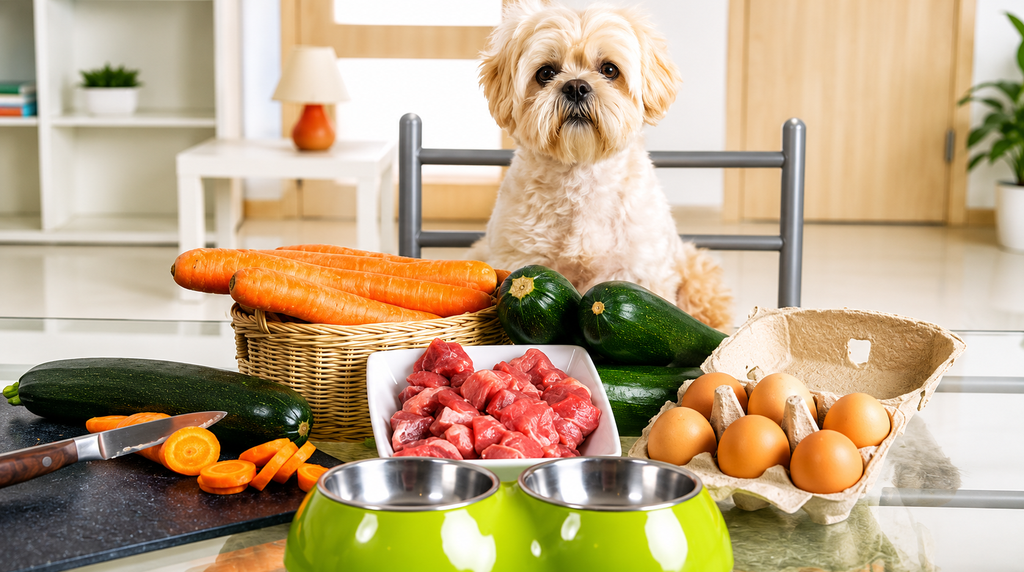
The important thing is to look beyond appearance. A bowl full of meat and vegetables may look healthy, but a dog needs a carefully balanced combination of protein, fat, carbohydrates, vitamins, minerals, and other nutrients.
For this reason, commercial fresh food with a proper complete-and-balanced statement can be more practical than trying to create a balanced diet at home without professional formulation.
Why Are More Dog Owners Choosing Fresh Food?
Fresh dog food has attracted attention because it offers a different eating experience from traditional dry food. Many fresh products contain considerably more moisture and have a softer texture than kibble.
Some dogs may also prefer the smell and texture of refrigerated meals. This can be useful for owners dealing with dogs that are selective about food.
Another reason is ingredient visibility. Fresh recipes often feature recognizable foods such as chicken, beef, turkey, eggs, carrots, peas, rice, or other vegetables.
However, recognizable ingredients should not be confused with nutritional superiority. A dog food should be judged by its complete nutritional profile, not simply by whether its ingredients look appealing to humans.
Fresh Dog Food Benefits
Fresh food can provide several useful benefits when the specific product is nutritionally appropriate for your dog.
1. Higher Moisture Content
One of the clearest differences between fresh food and kibble is moisture.
Dry kibble contains relatively little water compared with refrigerated or canned foods. Fresh meals can therefore contribute more moisture to the dog’s overall diet.
This does not mean fresh food should replace access to clean drinking water. Dogs should always have fresh water available.
2. Soft and Appealing Texture
Fresh meals generally have a softer texture than dry kibble.
This may appeal to dogs that prefer moist food. It can also make meals easier to chew for some dogs, although dogs with dental problems should still be evaluated by a veterinarian.
3. Recognizable Ingredients
Many fresh dog foods use ingredients that are easy for owners to identify.
For example, individual Freshpet recipes may include animal proteins, vegetables, grains, eggs, and other recognizable ingredients. The exact formulation varies by product, so owners should always read the package rather than assuming every recipe has the same ingredients.
4. Convenient Ready-to-Serve Meals
Fresh commercial dog food does not require owners to prepare meat, vegetables, grains, and supplements separately.
The meal is already formulated and prepared, making it easier for owners who want something different from dry food but do not want to cook homemade meals every day.
5. Variety of Formulas
Fresh dog food is available in different recipes and formats.
Some products are designed for puppies, while others are made for adult dogs, small breeds, or particular dietary preferences. This gives owners more options when selecting food for a specific dog.
Still, variety should not come at the expense of nutritional suitability.
How to Choose Healthy Fresh Dog Food
The best fresh dog food is not necessarily the one with the most attractive packaging or the longest ingredient list.
Instead, start with the nutritional information.
Check the Nutritional Adequacy Statement
The nutritional adequacy statement is one of the most useful parts of a dog food label.
It indicates whether a product is intended to provide complete and balanced nutrition for a particular life stage.
AAFCO explains that pet owners should use this statement to determine whether a food is appropriate as a complete diet.
If a product is labeled as a topper, treat, or supplemental food, it may not be intended to replace your dog’s regular meals.
Consider Your Dog’s Life Stage
Puppies, adults, and senior dogs can have different nutritional needs.
A growing puppy needs food formulated to support growth and development. An adult dog generally needs a diet designed for maintenance.
Do not assume that a fresh recipe designed for adult dogs is automatically appropriate for a growing puppy.
Review Calories
Portion size is another important factor.
Fresh food can be calorie-dense depending on its ingredients. Feeding too much can contribute to unwanted weight gain, even when the food itself is nutritionally sound.
Check the calorie information and feeding directions on the package.
Your veterinarian can also help determine whether your dog’s current body weight and condition suggest that portions should be adjusted.
Read the Ingredient List
The ingredient list can help you identify the main protein sources, grains, vegetables, and other components of the recipe.
It is especially important if your dog has a known food sensitivity.
Instead of choosing food based only on individual ingredients, consider the complete formula and nutritional statement together.
Fresh Food vs. Dry Kibble
Fresh food and kibble both have advantages.
Kibble is convenient, easy to store, simple to measure, and practical for traveling. It can also provide complete and balanced nutrition when properly formulated.
Fresh food generally has more moisture and a softer texture. It also requires refrigeration, which makes storage less convenient.
The better choice depends on the dog and the owner’s circumstances.
There is no universal rule saying every dog should eat fresh food instead of kibble. A properly formulated diet that meets the dog’s nutritional requirements is more important than the physical format of the food.
Fresh Food vs. Canned Dog Food
Fresh refrigerated food and canned dog food have several similarities. Both usually contain more moisture than kibble and offer a softer texture.
The major practical difference is storage.
Unopened canned food can normally be stored at room temperature according to the manufacturer’s instructions. Refrigerated fresh food needs to remain chilled.
Fresh food may therefore appeal to owners who specifically want refrigerated meals, while canned food can be more convenient for households with limited refrigerator space.
Neither format should automatically be considered healthier simply because it contains more moisture.
How to Introduce Fresh Food to Your Dog
Changing your dog’s diet too quickly can cause digestive upset.
A gradual transition is usually a better approach. Begin by mixing a small amount of the new food with the dog’s existing diet.
Over several days, slowly increase the amount of fresh food while reducing the old food.
Watch your dog’s appetite and stool during the process.
If your dog develops persistent diarrhea, repeated vomiting, refuses food, or shows other concerning symptoms, contact a veterinarian.
Dogs with existing medical conditions may need a more specific transition plan.
For additional practical feeding guidance, you can also review this fresh pet dog food feeding guide.
How to Store Fresh Dog Food Safely
Proper storage is especially important with refrigerated dog food.
Keep the food refrigerated according to the manufacturer’s instructions. Once opened, follow the package directions regarding how quickly the product should be used.
Do not leave refrigerated food sitting at room temperature for longer than recommended.
The FDA advises pet owners to refrigerate unused canned or pouched pet food promptly and to keep refrigerators at 40°F or below. It also recommends cleaning pet food bowls and utensils after use.
Fresh food should also be handled with clean hands and clean utensils.
If food develops an unusual appearance, odor, or texture, do not assume it is safe simply because it has not reached the printed expiration date.
When in doubt, follow the manufacturer’s storage instructions.
Is Freshpet Complete and Balanced?
Some Freshpet products are formulated to provide complete and balanced nutrition for specific life stages.
However, it is important to check the exact product label because different recipes can have different nutritional purposes.
The term “fresh” does not automatically mean “complete and balanced.”
This is why the nutritional adequacy statement should be one of the first things you check when comparing products.
If your dog has a medical condition or requires a therapeutic diet, consult your veterinarian before making a major dietary change.
Can Puppies Eat Fresh Dog Food?
Some fresh dog food recipes are specifically designed for puppies.
The important point is that puppies should receive food formulated for growth or all life stages when appropriate. Adult-maintenance food may not provide the nutritional profile required for a growing puppy.
Always check the label before feeding a fresh product to a puppy.
Puppies also have different calorie requirements as they grow, so feeding amounts may need to change over time.
Can Senior Dogs Eat Fresh Food?
Senior dogs can eat fresh food when the particular recipe is appropriate for them.
Age alone does not determine the ideal diet. Weight, activity level, dental health, existing medical conditions, and previous diet can all influence what food is suitable.
Some older dogs may benefit from softer food textures, while others may need a specific nutritional approach recommended by their veterinarian.
If a senior dog suddenly becomes picky or loses interest in food, do not assume the issue is simply age. A veterinary check can help identify potential underlying problems.
Is Fresh Dog Food More Expensive?
Fresh dog food can cost more than many conventional dry foods because of its ingredients, preparation, refrigeration, packaging, and distribution requirements.
The actual cost varies based on the brand, recipe, package size, dog’s weight, and daily feeding amount.
A useful way to compare prices is to calculate the approximate daily cost rather than comparing package prices alone.
A large bag of kibble may appear expensive at first but can last considerably longer than a refrigerated package.
At the same time, some owners may consider the convenience and feeding experience worth the additional expense.
Pros and Cons of Pet Fresh Dog Food
| Pros | Cons |
| Higher moisture | Requires refrigeration |
| Soft texture | Can cost more than basic kibble |
| Recognizable ingredients | Shorter usable period after opening |
| Ready-to-serve meals | Requires careful storage |
| Multiple recipe options | Not every recipe suits every dog |
| Can provide complete nutrition when properly formulated | May be less convenient for travel |
This comparison shows why fresh food should be considered based on the complete situation rather than marketing claims.
Common Mistakes When Feeding Fresh Dog Food
One common mistake is changing food too quickly.
Another is ignoring calorie intake. Owners sometimes focus heavily on ingredients while forgetting that portion size affects body weight.
Using too many toppers or treats can also increase daily calories.
A further mistake is treating every fresh recipe as interchangeable. Different formulas can have different nutritional profiles and intended uses.
Finally, improper refrigeration can create unnecessary food-safety risks.
Reading the label and following the manufacturer’s instructions can prevent many of these problems.
Pet Fresh Dog Food: Final Verdict
Pet Fresh Dog Food: A Complete Guide to Fresh and Healthy Meals for Your Dog shows that fresh food can be a practical choice for many dogs, but the word “fresh” should not be the only reason to buy a product.
Look for a complete-and-balanced nutritional statement, appropriate life-stage formulation, clear calorie information, suitable ingredients, and reliable storage instructions.
Fresh food can offer higher moisture, a soft texture, recognizable ingredients, and convenient ready-to-serve meals. On the other hand, it usually requires refrigeration and may cost more than traditional kibble.
The best diet is the one that meets your dog’s nutritional needs, fits your lifestyle, and can be fed consistently and safely.
For healthy dogs, a properly formulated fresh diet can be one reasonable option among several. For dogs with allergies, digestive problems, chronic conditions, or other special needs, speak with a veterinarian before making a major dietary change.
FAQs About Pet Fresh Dog Food
1. Is Pet Fresh Dog Food healthy for dogs?
A properly formulated fresh dog food can provide healthy nutrition when it is complete and balanced for the dog’s specific life stage and fed in appropriate portions.
2. Is fresh dog food better than kibble?
Not automatically. Fresh food usually contains more moisture and has a different texture, while kibble offers convenience and easy storage. Nutritional adequacy is more important than the format.
3. Can dogs eat fresh dog food every day?
Yes, if the particular product is intended to be a complete and balanced diet for the dog’s life stage and is fed according to its directions.
4. Does fresh dog food need refrigeration?
Yes. Refrigerated fresh dog food should remain refrigerated according to the manufacturer’s storage instructions.
5. Can puppies eat Freshpet?
Some Freshpet recipes are formulated for puppies, but owners should check the specific product’s life-stage statement before feeding it to a growing puppy.
6. Can I mix fresh food with kibble?
Fresh food can be mixed with kibble, but owners should account for calories from both foods to avoid unintentionally overfeeding their dogs.
7. How long does fresh dog food last after opening?
The usable period varies by product. Always follow the storage and use-by instructions printed on the package.
8. Is fresh dog food good for picky eaters?
The aroma, moisture, and softer texture of fresh food may appeal to some picky eaters. However, a sudden appetite change can sometimes indicate a health problem.
9. What should I check before buying fresh dog food?
Check the ingredient list, calorie content, feeding directions, life-stage information, storage requirements, and nutritional adequacy statement.
10. Should I ask a veterinarian before switching to fresh food?
For a healthy dog, owners can generally follow the product’s transition guidance. Dogs with medical conditions, allergies, digestive issues, or special nutritional needs should be discussed with a veterinarian before making a major dietary change.
Must read our other blogs:
Pet Supplies Plus Grooming: A Complete Guide to Grooming Services for Your Pet