A certified police dog isn’t born ready for the street — it’s built there, through months of layered training that starts with the same basic obedience any family puppy learns and ends with a dog that can track a suspect through a warehouse, sit calmly through gunfire, and disengage from a bite the instant its handler gives the command. Police dog training is really several trainings stacked on top of each other: temperament selection, obedience, a specialized discipline, and finally a formal certification most people never see happen.
This guide walks through the entire pipeline in order — how dogs are chosen, what a K9 academy actually teaches, how long it takes, what it costs, and where handler training fits into all of it.
What Is Police Dog Training, Really?
Police dog training is the structured process that takes a working-breed dog — usually purchased as a young adult rather than raised from a litter — through obedience, a specialized discipline (patrol, detection, or both), and a formal certification exam before it’s allowed to work alongside a handler in the field. Unlike a family pet’s training, which mostly targets manners and safety, police dog training is built entirely around reliability under stress: a K9 has to perform the exact same task whether it’s a quiet Tuesday or a chaotic scene with sirens, crowds, and gunfire.
Which Breeds Become Police Dogs
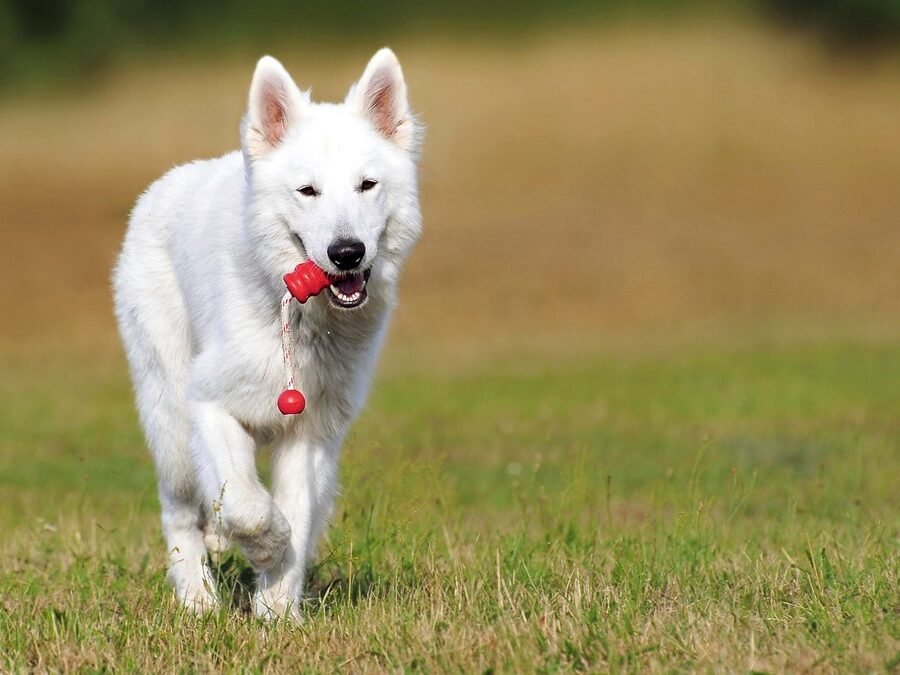
Departments don’t pick breeds at random — decades of fieldwork have narrowed the list to a handful of working breeds with the right combination of drive, trainability, and physical resilience.
| Breed | Primary Role | Why Departments Choose It |
| Belgian Malinois | Patrol, apprehension, dual-purpose | High drive, agility, and stamina; now the most common U.S. patrol breed |
| German Shepherd | Patrol, tracking, dual-purpose | Strong obedience, versatility, and public trust as the “classic” K9 |
| Dutch Shepherd | Patrol, apprehension | Similar drive to the Malinois with a slightly calmer temperament |
| Labrador Retriever | Detection (narcotics, explosives) | Exceptional scent drive without the aggression needed for patrol work |
| Bloodhound | Tracking, search and rescue | Unmatched scent-tracking ability over long distances and time |
Most patrol and dual-purpose dogs are sourced from specialized working-dog kennels — often in Europe — that breed and pre-test specifically for police and military drive, rather than departments raising puppies from birth.
From Puppy to Cadet: Early Development
Even a future K9 starts with the same foundation as any working puppy: socialization, basic commands, and confidence-building exposure to new environments, sounds, and surfaces. Breeders and vendor kennels evaluate litters as early as 8 weeks for prey drive, environmental confidence, and willingness to work through distraction — the same qualities, incidentally, that make early training matter for any dog. Our guide on how to stop a puppy from biting covers the bite-inhibition groundwork that every young working dog, police-bound or not, needs before any specialized work begins.
Dogs that pass early evaluation typically enter formal vendor or department training between 12 and 18 months old, once they’re physically mature enough for the demands ahead.
Basic Obedience: The Non-Negotiable Foundation
Before any bite work or detection training starts, a police dog has to master rock-solid obedience: sit, down, stay, heel, and recall, performed reliably off-leash and under distraction. This phase also builds the handler-dog bond that everything else depends on — a K9 that doesn’t trust or read its handler can’t be trusted to disengage from a bite or hold a position under pressure later on.
Specialized K9 Disciplines
Once obedience is solid, dogs branch into one or more specialties:
- Patrol work — suspect tracking, building and area searches, and apprehension (bite work), taught using padded sleeves and bite suits before dogs ever work a live scenario.
- Detection — narcotics or explosives detection, built through scent-imprinting: pairing a target odor with a reward until the dog reliably alerts on it alone.
- Tracking and search and rescue — following a scent trail to locate a missing person, suspect, or piece of evidence, often the specialty of bloodhounds and some shepherd-line dogs.
- Dual-purpose training — the most common setup in U.S. departments, combining patrol and one detection specialty in a single dog.
Single-purpose detection dogs (trained only in narcotics or explosives) are sometimes kept intentionally non-aggressive so they can work public spaces like airports and schools without a patrol dog’s protective instincts.
The K9 Academy: Timeline and Structure
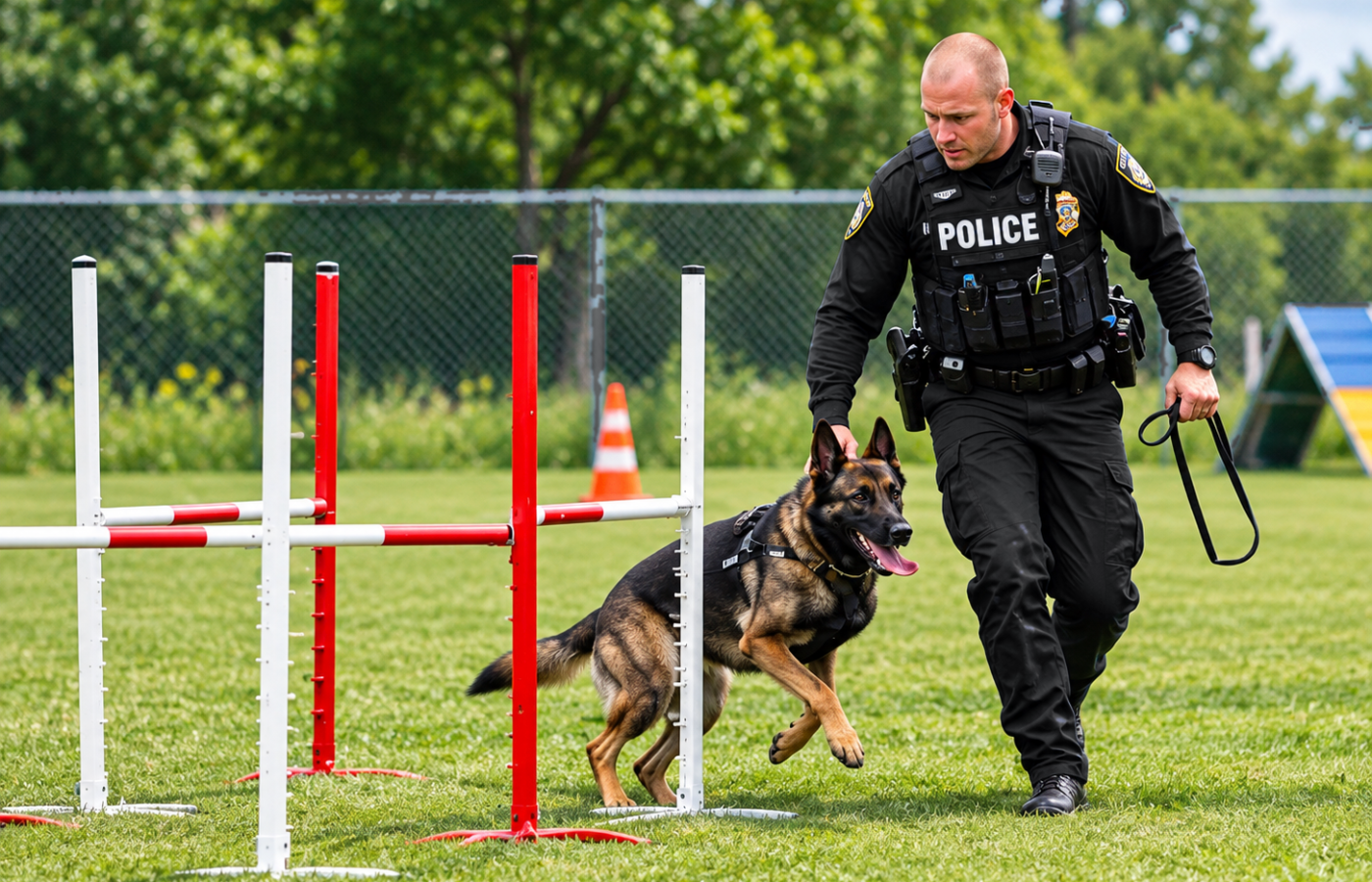
Formal K9 academy training typically runs 10 to 16 weeks for patrol and dual-purpose teams, though detection-only training can run anywhere from 6 to 32 weeks depending on the number of odors a dog needs to learn. Critically, most academies train the dog and its assigned handler together as a team from day one, rather than training the dog alone and handing it off afterward — the bond and communication style built during this window carries directly into fieldwork.
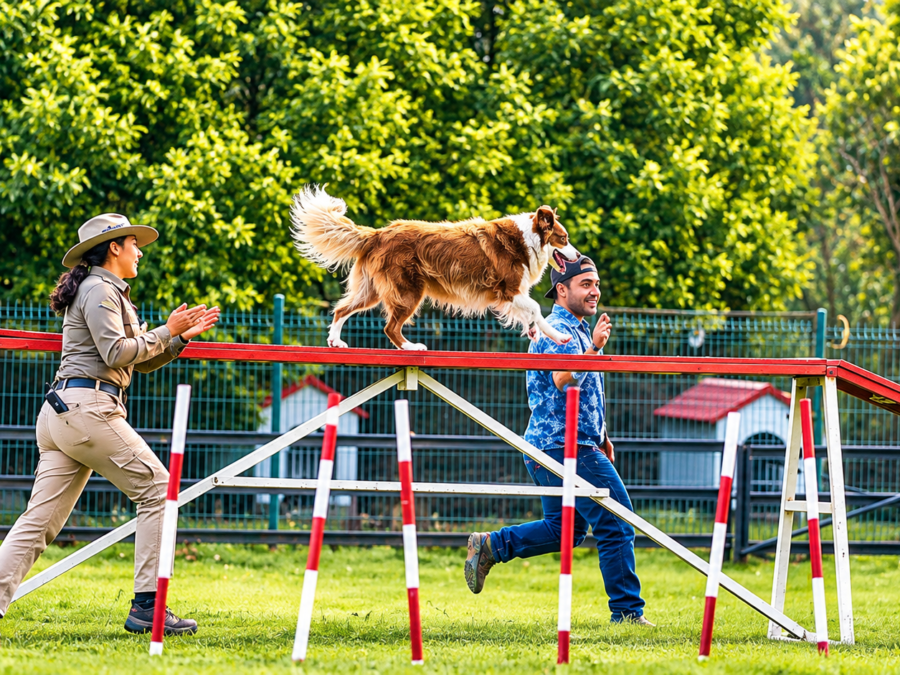
Training days are typically split between obedience maintenance, discipline-specific drills, and scenario-based exercises that simulate real calls, with intensity and difficulty increasing week over week as the team’s reliability improves.
Handler Selection and Training
The dog is only half the equation. Most departments require officers to complete three to five years of patrol experience before applying for K9 duty, followed by physical agility testing, an interview covering canine law and use-of-force policy, and often a home inspection to confirm the officer can properly house and care for a working dog off duty. Handlers attend the same academy as their assigned dog, learning reading body language, scent-work theory, and legal considerations around K9 deployment (like when a bite or detection alert constitutes probable cause) alongside the physical handling skills.
Certification and Ongoing Standards
A K9 team isn’t considered operational until it passes a formal certification exam through a recognized body such as the United States Police Canine Association, which sets standardized testing protocols for patrol, detection, and specialty disciplines across member departments. Certification has to be renewed annually, and because certification applies to the handler-dog team rather than the dog alone, a new handler paired with an already-certified dog still has to test and certify as a fresh team before working the street.
What Does Police Dog Training Actually Cost?
Costs vary by breed, discipline, and region, but departments typically budget across several categories:
- Dog acquisition: $5,000–$20,000 depending on breed, bloodline, and pre-training
- Initial specialized training: $1,000–$7,500 combining obedience and discipline-specific work
- Annual maintenance training: $200–$500 per year to keep skills sharp
- Certification renewal: $150–$300 annually
- Ongoing care: food, veterinary visits, and protective equipment add several hundred dollars more per year
Many departments offset these costs through community fundraising, K9 nonprofit foundations, or asset-forfeiture funds, since a fully trained and certified K9 team represents a meaningful capital investment before it ever responds to its first call.
Life After Certification: Deployment and Maintenance
Certification isn’t a finish line — it’s a floor. Certified teams train regularly (often weekly) to maintain sharpness, and most departments require periodic re-certification to confirm the dog and handler are still performing to standard. For readers curious how this compares to training a family dog, our complete guide to dog training services breaks down what professional training actually involves at the consumer level — useful context for seeing just how much more intensive and specialized the police pipeline really is.
Retirement
Most police dogs work 6 to 10 years before retiring, typically staying with their handler as a family pet afterward — a practice widely supported by departments and, in many U.S. states, protected or encouraged by specific retirement legislation.
Frequently Asked Questions
How long does it take to train a police dog?
Formal academy training runs roughly 10–16 weeks for patrol work and 6–32 weeks for detection specialties, on top of the obedience foundation built beforehand.
What breed makes the best police dog?
Belgian Malinois and German Shepherds dominate patrol and dual-purpose roles, while Labrador Retrievers are favored for detection work due to their scent drive without patrol-level aggression.
Do police dogs train with their handler from the start?
Yes, in most modern programs — the handler and dog attend the same academy together so the working bond and communication style develop as a matched team.
How much does it cost to train a police dog?
Total costs, including acquisition and initial training, commonly range from $6,000 to $27,500 depending on breed and specialty, with several hundred dollars a year after that for maintenance and certification.
What happens to police dogs when they retire?
Most retire between 6 and 10 years old and go home with their handler as a pet, a transition many states now formally support through legislation.