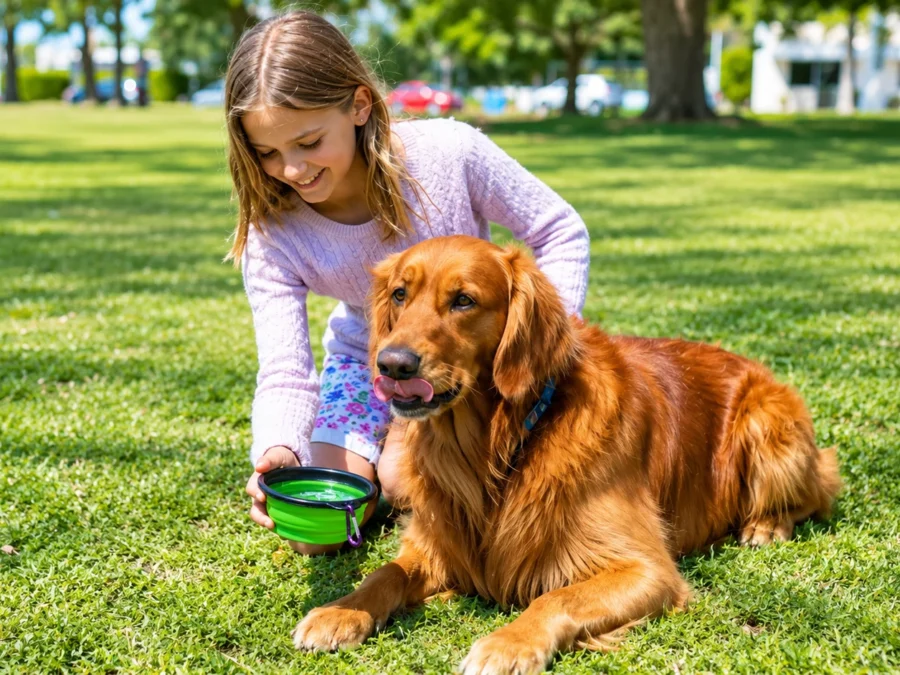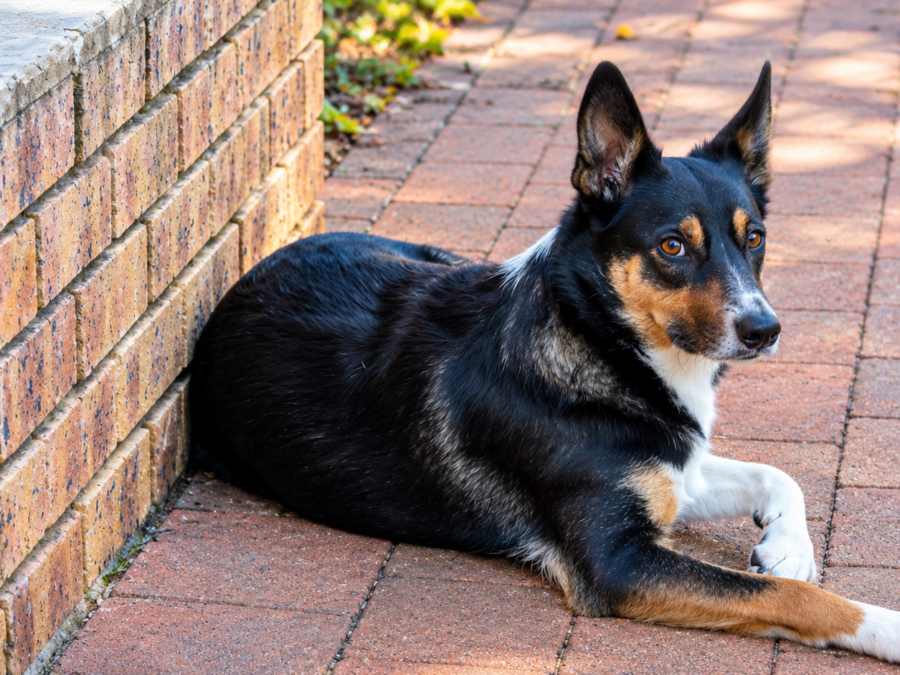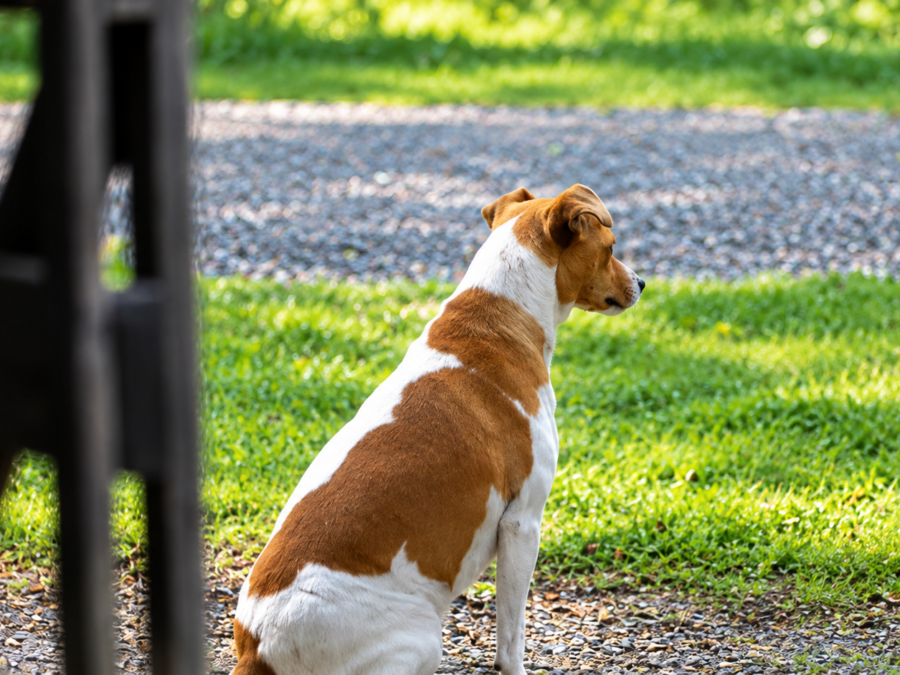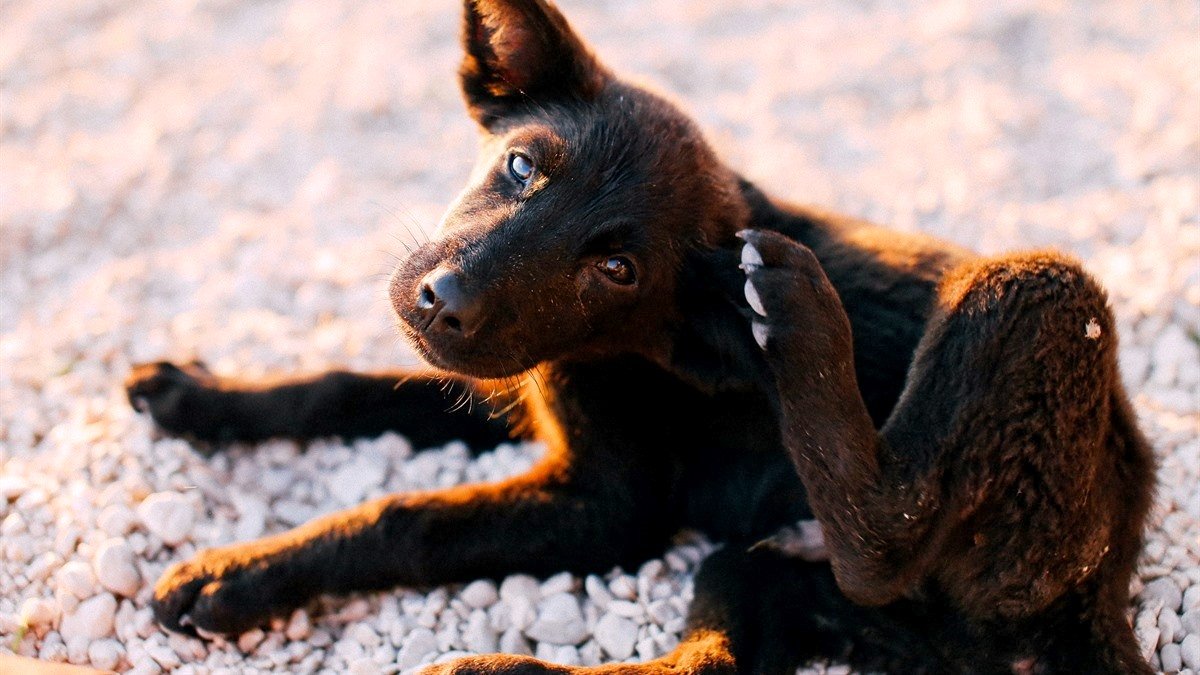
Every time the bowl is empty, my dog rubs his face after eating — dragging his muzzle across the carpet, the couch, or my leg, sometimes with a little full-body wiggle at the end. If yours does the same thing, you’ve probably wondered whether it’s pure joy, a cleanup routine, or a sign that something itchy or painful is going on.
The honest answer is that it can be any of those. This guide covers the six most common reasons a dog rubs his face after eating, how to tell the harmless ones from the ones worth a vet visit, and what to do if the pattern shows up at every single meal.
Quick Answer
- The most common reason a dog rubs his face after eating is simple cleanup — wiping crumbs and food bits off the muzzle
- Contentment is another common explanation, especially when the rubbing comes with a wagging tail or play bow
- Food allergies, dental pain, and irritated skin folds can also make a dog rub his face after eating
- If my dog rubs his face after eating with no other symptoms, it’s usually harmless
- Bad breath, redness, discharge, yelping, or rubbing at times other than meals are reasons to call the vet
Why a Dog Rubs His Face After Eating: The Short List
| Reason | What It Looks Like | Concern Level |
|---|---|---|
| Cleaning off food | Quick wipe on carpet or couch right after the bowl empties | Low |
| Contentment | Rubbing plus tail wags, wiggles, or a play bow | Low |
| Copying you | Dog watches you wipe your mouth and mimics it | Low |
| Food allergy | Itchy face, paws, or ears; sometimes stomach upset | Medium, needs a vet |
| Dental discomfort | Bad breath, dropping food, pawing at the mouth | High, needs a vet |
| Skin fold irritation | Redness or odor in facial wrinkles | Medium, needs care |
My Dog Rubs His Face After Eating to Clean Up
The most common explanation is also the simplest. Cuteness lists cleaning as the first reason dogs rub their faces after a meal — removing “crumbs and chewed food bits from around their mouth,” particularly on dogs with longer facial hair. Woof & Beyond calls it the most common reason too.
That fits what I see at home: the rubbing happens right after the bowl is empty, it lasts a few seconds, and my dog walks off looking perfectly comfortable. If your dog rubs his face after eating only in that short window and otherwise acts normal, cleanup is a very reasonable guess. Dogs can’t use a napkin, so the carpet does the job.
When a Dog Rubs His Face After Eating Because He’s Happy
Some dogs simply seem to celebrate meals. Woof & Beyond notes that dogs may express happiness by rubbing their faces alongside other joyful behavior like tail wagging, and Cuteness says the same about a play bow or wagging tail. Some dogs also just like the way a carpet or couch texture feels against their face.
One expert quoted by Newsweek even suggests a copycat explanation: dogs watch us wipe our faces with a napkin after dinner and imitate it. That one is charming — maybe my dog rubs his face after eating because he saw me wipe my own mouth — but it’s a suggestion rather than something research has confirmed, so I’d treat it as a fun possibility, not a proven cause.
Food Allergies: A Reason a Dog Rubs His Face After Eating
The reason worth taking seriously is allergy. VCA Animal Hospitals lists itchy skin, paws, or ears, and digestive upset such as vomiting or diarrhea, as the main signs of a food allergy in dogs. AKC describes food allergies as causing very itchy feet, belly, face, and anal area, leading a dog to scratch, chew, lick, and rub. It also says about half of affected dogs develop ear infections.
The most common culprits are proteins — VCA names dairy, beef, chicken, eggs, soy, and wheat gluten. So a dog that rubs his face after eating and also chews his paws or scratches his ears is worth a conversation with a vet. According to VCA’s guide to food allergies in dogs, diagnosis takes an elimination diet trial of 8 to 12 weeks, and there’s no cure — the only treatment is avoiding the problem ingredient.
If your dog’s skin problems seem to flare with baths as well, our guide on how often to bathe a dog with allergies covers a related part of allergy care.
Dental Discomfort: When a Dog Rubs His Face After Eating in Pain
Sometimes the rubbing isn’t celebration at all. Cuteness mentions food stuck between misaligned teeth as a possible trigger, and VCA’s page on dental disease in dogs says signs may include pawing at the mouth, head shaking, or jaw chattering, along with chewing with obvious discomfort and dropping food from the mouth.
The unsettling part is that VCA also says few dogs show obvious signs of dental disease, which is why it’s up to owners and vets to uncover it. If a dog rubs his face after eating and also has very bad breath, bleeds from the gums, or pulls away when you touch his head, that’s a vet visit, not a wait-and-see.
Skin Folds Can Make a Dog Rub His Face After Eating
Dogs with deep facial wrinkles — Bulldogs, Pugs, and similar breeds — collect food, moisture, and dead skin in those folds, and the result can be irritation. PetMD’s guide to wrinkly dogs explains that the folds are warm and moist, which makes them a good environment for yeast and bacteria, and recommends cleaning deep folds daily or at least every other day with unscented baby wipes or veterinary wipes, then drying them well.
If your flat-faced dog rubs his face after eating and the wrinkles look red or smell off, the folds may be the real reason. Regular wiping after meals is the simple fix, and a vet can check whether an infection has already started.
Other Reasons a Dog Rubs His Face After Eating
Woof & Beyond also lists eye infections, ear problems, nasal congestion, and fleas, ticks, or mites as possible causes of face rubbing in general. Those problems usually don’t wait for meals, so the key clue is timing: if the rubbing happens at other moments too, or comes with watery eyes, wheezing, or flinching, it’s not just about dinner.
Harmless or Worrying When a Dog Rubs His Face After Eating?
Ask yourself a few simple questions each time your dog rubs his face after eating:
- Does it only happen right after meals and last a few seconds?
- Is he wagging, wiggling, or playful, or does he seem uncomfortable?
- Does he also scratch his ears, chew his paws, or have red skin?
- Is his breath unusually bad, or does he drop food or chew on one side?
- Are his eyes red, watery, or draining?
Cuteness says to see a vet for extremely bad breath, bleeding gums after eating, recoiling from head touches, difficulty breathing or wheezing, or redness, tenderness, or discharge around the eyes. Woof & Beyond adds that if the dog is happy and playful with no other symptoms, intervention isn’t necessary.
What I Do When My Dog Rubs His Face After Eating
A few low-effort habits help, whichever reason applies:
- Wipe the muzzle. A damp cloth after meals removes leftover food, especially on long-haired or wrinkled faces
- Keep a note. Write down which foods and treats came before each rubbing episode, since a pattern can point toward an allergen
- Take a short video. A 10-second clip shows a vet more than a description does
- Check the mouth. Lift his lips gently and look for redness, swelling, or broken teeth — and mention any bad breath to your vet
- Don’t switch foods at random. Changing diets constantly makes an allergy harder to diagnose
When to Call the Vet if Your Dog Rubs His Face After Eating
Book a visit if the rubbing happens at every meal and comes with any other symptom, if it shows up at times unrelated to eating, or if your dog seems to be in pain. A vet can check the teeth, skin, ears, and eyes, and can guide a proper elimination diet if an allergy is suspected. Trying to diagnose an allergy at home by swapping foods usually costs weeks without giving a clear answer.
Dog Rubs His Face After Eating: The Bottom Line
For most dogs, a quick face rub after a meal is cleanup, contentment, or both. But when my dog rubs his face after eating along with itching, bad breath, redness, or discharge, the behavior may be pointing to an allergy, dental pain, or irritated skin folds. Whenever a dog rubs his face after eating, watch the timing, watch the other signs, and let a vet look if anything seems off.
FAQ
Is it normal when a dog rubs his face after eating?
Yes, in most cases. It’s usually cleanup or contentment, especially if it lasts a few seconds and your dog otherwise acts normal.
Why does my dog rub his face on the carpet after eating?
Most often to wipe off food. Some dogs also do it out of happiness or because the texture feels good.
Can food allergies make a dog rub his face after eating?
Yes. Face rubbing can be one sign of a food allergy, usually alongside itchy paws, ears, or skin, and a vet can confirm it with an elimination diet trial.
Is it a sign of allergies if my dog rubs his face after eating?
Sometimes. Face rubbing can be one allergy sign, but it usually comes with itchy paws, ears, or skin, so a single face rub after a meal on its own isn’t enough to conclude that.
Should I worry if my dog rubs his face after eating every time?
Not necessarily, but if it comes with bad breath, redness, discharge, or other itching, it’s worth a vet check.
What should I do when my dog rubs his face after eating?
Wiping his muzzle after meals helps with cleanup, but if a medical cause is behind it, treating that cause is what actually stops the rubbing.
This article is general information and not a substitute for veterinary advice. If your dog is showing signs of pain, allergy, or infection, see your veterinarian. Last verified September 2026.