British Shorthair adoption sounds simple in theory — search a listing site, find a cat, fill out an application. In practice, it’s one of the harder pedigree-cat adoptions to pull off, because British Shorthairs are rarely surrendered to shelters and rescues in the first place, and the ones that are tend to get claimed within days. Before you spend weeks refreshing adoption sites, it’s worth understanding why that is and what your realistic options actually look like.
This guide covers the real state of British Shorthair adoption, where genuine listings actually come from, honest cost comparisons, and the health questions worth asking before you commit to any cat — adopted or otherwise.
Quick Answer
- British Shorthair adoption through shelters and rescues is genuinely rare — the breed is popular and well cared-for, so few end up needing rehoming
- For British Shorthair adoption specifically, breed rescue networks and general adoption sites are your best legitimate starting points
- Typical British Shorthair adoption fees run $75–$400, versus $1,200–$3,500+ from a breeder
- Retired breeding cats from registered breeders, often $300–$600, are an underused middle option
- HCM (heart disease), obesity, and PKD (kidney disease) are the three health issues worth asking about regardless of where your cat comes from
Why British Shorthair Adoption Is Harder Than Expected
British Shorthairs are one of the most popular pedigree breeds, registering roughly half of all pedigree kittens in some national cat registries in a given year. That popularity actually works against easy adoption: well-loved, in-demand breeds are surrendered far less often than mixed breeds, and when a British Shorthair genuinely does need rehoming, word spreads through breed communities and the cat is typically placed within days rather than sitting on a public listing site for weeks. Understanding this upfront saves a lot of frustration — British Shorthair adoption isn’t rare because no one wants to help these cats; it’s rare because there simply aren’t many available at any given moment.
Where Real British Shorthair Adoption Listings Come From
- Rescue Me! British Shorthair Rescue (britishshorthair.rescueme.org) is a dedicated, state-by-state breed rescue network where individuals and shelters post cats directly — the most consistently updated dedicated resource for this specific breed
- Petfinder and Adopt-a-Pet occasionally list British Shorthairs from general shelters, though searches often surface breeder “kittens for sale” listings mixed in with genuine adoptions, so read each listing carefully
- Breed clubs and regional British Shorthair groups, often active on social media, sometimes know about a rehoming situation before it ever reaches a public site
- Retired breeding cats from registered, reputable breeders — usually cats between 3 and 6 years old being retired from a breeding program — represent a genuine adoption-adjacent option that’s easy to overlook
British Shorthair Adoption Cost Comparison
| Source | Typical Cost | What’s Included |
|---|---|---|
| Shelter/rescue adoption | $75–$400 | Spay/neuter, vaccines, microchip, health exam |
| Retired breeding cat | $300–$600 | Fully health-tested, well-socialized, often spayed/neutered |
| Pet-quality breeder kitten | $1,200–$2,500 | Health testing, pedigree papers, no breeding rights |
| Show/rare-color breeder kitten | $2,500–$5,500+ | Full pedigree, breeding rights possible, rare coloring |
The cost gap is real, but so is the availability gap — genuine British Shorthair adoption listings are simply harder to find than breeder kittens, which is the tradeoff worth weighing honestly before committing to one path over the other.
Health Questions Worth Asking, Adoption or Not
Regardless of where a British Shorthair comes from, three breed-specific health concerns are worth asking about directly:
Hypertrophic Cardiomyopathy (HCM): This heart condition affects roughly 9–12% of the breed, thickening the heart muscle and making it harder to pump blood effectively. Ask whether the cat (or its parents, for a kitten) has been HCM-screened, and plan on regular heart checks starting around age 3–5 regardless of the answer.
Obesity: More than 60% of British Shorthairs in the US are considered overweight or obese, largely because the breed is naturally low-energy and highly food-motivated. Obesity compounds HCM risk and raises the odds of diabetes, osteoarthritis, and urinary tract disease — a genuine concern whether you’re adopting a shelter cat or a retired breeding cat that may already be carrying extra weight.
Polycystic Kidney Disease (PKD): A legacy of historical outcrossing with Persians, PKD causes kidney cysts that enlarge over time and can eventually lead to kidney failure. Reputable breeders test for this; a rescue may not have this history available, which is a reasonable question to raise with any rescue coordinator.
What to Ask a Rescue or Retired-Breeder Contact
- Is there any known family or breeding history available for this cat, including HCM or PKD testing?
- What is the cat’s current weight, and has a vet flagged any weight concerns?
- Why is this specific cat being rehomed, and is the reason likely to recur (behavioral, medical, or purely circumstantial)?
- Is a home visit or reference check part of the adoption process, and is there a return policy if the placement doesn’t work out?
If You’re Open to a Broader Cat Rescue Search
Because genuine listings for British Shorthair adoption are limited, it’s worth widening your search rather than waiting indefinitely for one specific breed to appear. Many general and regional cat rescues occasionally take in purebred or mixed British Shorthair-type cats even without advertising it as a breed specialty — our Loving Care Cat Rescue guide covers what a foster-based rescue adoption process typically looks like, which applies whether or not the specific cat available happens to be a British Shorthair.
What Makes the British Shorthair Worth the Wait
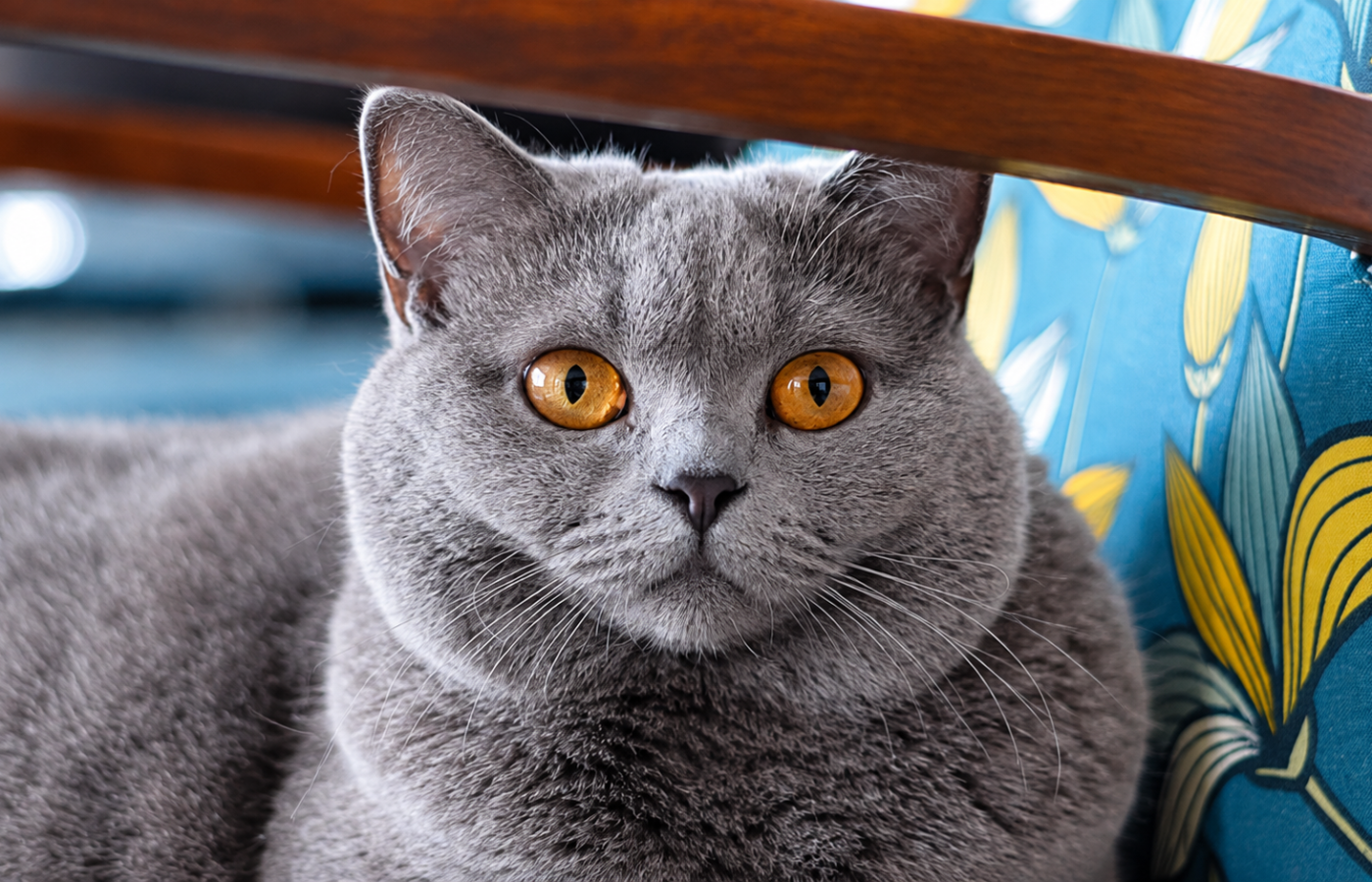
For anyone wondering whether the extra patience required for British Shorthair adoption is worth it, the breed’s temperament is a big part of the appeal. British Shorthairs are known for being calm, undemanding, and independent — good with quieter households, families with children, and even other pets, largely because they don’t require the constant interaction some more high-energy breeds demand. Their dense, plush coat and famously round face give them a distinctive look, but it’s the laid-back personality that tends to win people over long after the initial appeal of the appearance fades. That combination of low-maintenance temperament and striking looks is exactly why demand consistently outpaces the limited supply of cats available through adoption.
Is Adoption or a Breeder the Right Call for You?
Neither path is automatically “better” — it depends on your timeline and priorities. If you have a flexible timeline and want to prioritize giving a home to a cat that needs one, checking Rescue Me! British Shorthair Rescue regularly and setting alerts on Petfinder is the right approach, even if it takes weeks or months for the right match to appear. If you have your heart set on a specific color or a shorter timeline, a health-tested retired breeding cat offers a middle ground — lower cost than a kitten, established temperament, and still a genuine rehoming rather than a first-time purchase.
How Long Does British Shorthair Adoption Usually Take?
Setting realistic expectations on timeline helps avoid frustration. Because British Shorthair adoption listings appear infrequently and get claimed fast, it’s reasonable to expect the process to take anywhere from a few weeks to several months rather than the same-day or same-week experience common with mixed-breed shelter adoption. Signing up for email alerts on Petfinder and Adopt-a-Pet, checking Rescue Me’s British Shorthair pages weekly rather than once, and joining a couple of regional British Shorthair social media groups all meaningfully shorten that timeline compared to checking a single site occasionally. Persistence matters more than any single strategy here — most successful British Shorthair adoption stories involve months of casual searching rather than one lucky find.
Preparing Your Home Before a British Shorthair Adoption
Whether your cat comes from a rescue or a retiring breeder, a little preparation before bringing a British Shorthair home makes the transition smoother. Given the breed’s tendency toward weight gain, setting up a feeding routine with a measured amount of food — rather than free-feeding — from day one helps avoid the slow weight creep that’s so common in this breed. British Shorthairs are also known for being independent and low-key rather than clingy, so don’t be discouraged if a newly adopted cat takes a week or two to warm up; a slower, calmer introduction period tends to work better for this breed’s temperament than an anxious, high-energy household adjustment.
Red Flags to Watch for During Your Search
Because genuine British Shorthair adoption listings are scarce, that scarcity can unfortunately attract scams or misrepresented cats. Be cautious of listings priced suspiciously low for a “purebred kitten” advertised as an adoption, sellers unwilling to do a video call or in-person meeting before payment, and anyone pressuring a fast decision or deposit before you’ve seen documentation. A legitimate rescue or retiring breeder will generally welcome questions, provide some form of history or health documentation, and not rush you toward a same-day payment for a cat you haven’t actually seen in person or on a live video call.
British Shorthair Adoption: The Bottom Line
British Shorthair adoption is a genuinely worthwhile goal, but it requires more patience and a wider search strategy than adopting a mixed-breed cat from a local shelter. Dedicated breed rescue networks, general adoption platforms, and retired breeding cats from reputable breeders are your three realistic paths — and regardless of which one leads to your cat, asking about HCM, weight, and PKD history upfront sets you up for a healthier, less stressful first year together.
FAQ
Is British Shorthair adoption common through regular animal shelters?
It’s uncommon. The breed is rarely surrendered, and when it is, the cat is typically claimed quickly through breed-specific networks rather than sitting in a general shelter listing.
How much does British Shorthair adoption typically cost?
British Shorthair adoption fees through a shelter or rescue usually run $75–$400, significantly less than the $1,200 and up typical of breeder kittens.
What health issues should I ask about before a British Shorthair adoption?
Hypertrophic cardiomyopathy (HCM), obesity, and polycystic kidney disease (PKD) are the three breed-specific concerns worth discussing with any rescue or seller before finalizing a British Shorthair adoption.
Are retired breeding cats a good British Shorthair adoption alternative?
Yes — they’re typically health-tested, already socialized, and priced well below kitten rates, making them a practical middle option between shelter adoption and buying a kitten.
Rescue availability and pricing change regularly — confirm current details directly with any rescue or breeder before committing. Last verified September 2026.