If you’re asking what are the best cat foods with gravy, the best choice is not simply the product with the most gravy. A good gravy-based cat food should provide appropriate nutrition for your cat’s life stage, offer enough moisture, and be labeled as complete and balanced when it is intended to be a main diet.
Gravy-style wet food can also be useful for cats that prefer soft textures or get a significant portion of their water from food. Wet cat food commonly contains around 70–80% water, according to Cornell Feline Health Center.
What Are the Best Cat Foods With Gravy? Quick Facts
| Factor | What to Look For |
| Best overall type | Complete and balanced wet cat food with gravy |
| Main benefit | High moisture and appealing texture |
| Best for | Cats that enjoy wet food or gravy-based textures |
| Protein | Animal-based protein appropriate for cats |
| Life stage | Kitten, adult, senior, or all-life-stages label |
| Important label | Nutritional adequacy statement |
| For picky cats | Strong aroma, soft texture and preferred protein |
| Main caution | Some gravy foods are supplemental rather than complete meals |
The best cat foods with gravy are therefore the ones that combine a texture your cat enjoys with appropriate nutrition. AAFCO explains that “complete” means a food contains the required nutrients, while “balanced” refers to those nutrients being present in the proper ratios.
Best Types of Gravy Cat Food
Rather than choosing a single brand for every cat, consider these categories:
- Complete-and-balanced gravy meals: Best for everyday feeding.
- Chicken or poultry gravy recipes: Useful when your cat prefers poultry flavors.
- Fish-based gravy recipes: Can appeal to cats that enjoy fish aromas.
- Kitten gravy food: Formulated specifically for growth.
- Senior-focused wet food: May provide a soft texture that some older cats find easier to eat.
- Supplemental gravy toppers: Useful for improving palatability but not necessarily suitable as the entire diet.
What Is Gravy Cat Food?
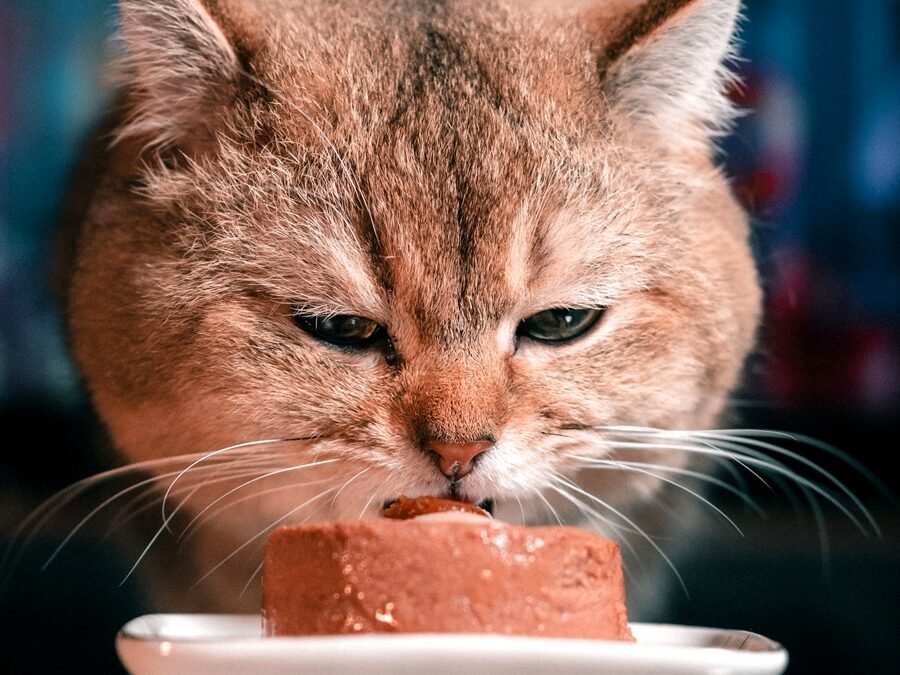
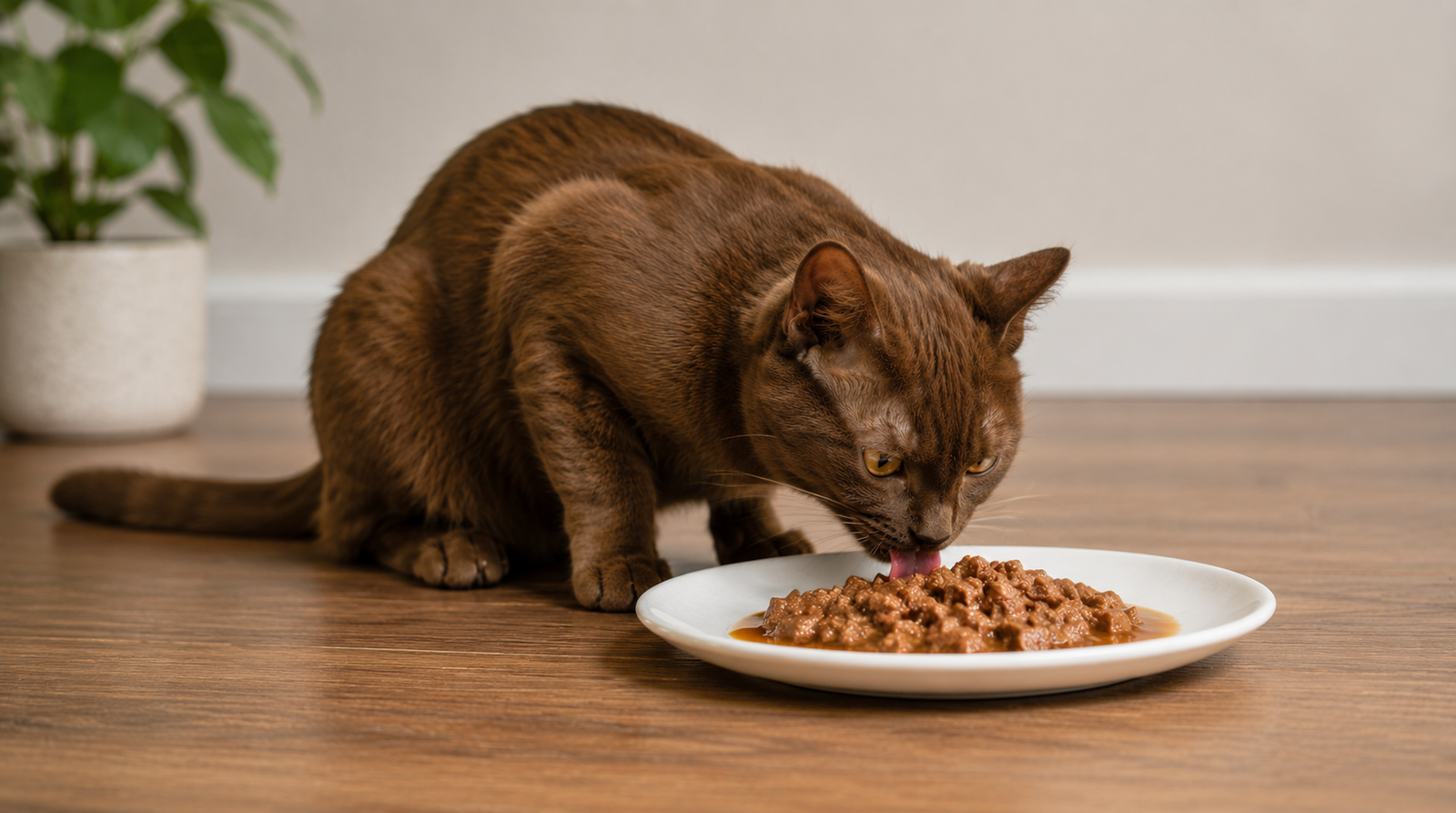
Gravy cat food is wet cat food in which the meat, fish or other food pieces are served with a liquid or thickened sauce. The consistency can range from a thin broth to a rich gravy surrounding chunks, shreds or minced meat.
The word “gravy” does not automatically mean a food is healthier. It mainly describes the product’s texture and moisture-rich sauce. Nutrition still depends on the complete formula.
This distinction matters because some gravy products are designed as complete meals, while others are intended only for intermittent or supplemental feeding. AAFCO notes that products carrying an “intermittent or supplemental feeding only” statement are not intended to provide complete and balanced nutrition as a sole diet.
So, before buying a gravy food, check the label rather than judging the product by its appearance.
How Does Gravy Cat Food Work?
Gravy cat food works like other wet foods: it provides nutrients while also contributing water through the food itself.
For cats that do not drink much from a bowl, moisture-rich food can be a practical way to increase water intake. Cornell notes that wet food may contain up to about 80% water and that cats eating wet food may drink less because they receive more water from their meals.
The gravy also changes the eating experience.
Some cats prefer:
- Smooth textures
- Shredded meat in sauce
- Small chunks with gravy
- Strong-smelling poultry or fish recipes
- Foods that are easier to lick and chew
This can make gravy-style food particularly appealing to cats that are selective about texture.
However, palatability and nutritional completeness are two different things. A cat may love a food without that food being appropriate as its sole diet.
Benefits of Cat Food With Gravy
1. It Provides More Moisture
One of the biggest advantages of wet food is its high water content. Cornell reports that wet cat food typically contains around 70–80% water.
This does not mean gravy food replaces a fresh water supply. Cats should still have clean drinking water available at all times.
2. Many Cats Like the Texture
Gravy creates a different texture from dry kibble. Cats that enjoy licking sauces or eating softer food may prefer these formulas.
This can be particularly helpful when you’re trying to find a food a selective cat will actually eat.
3. It Can Make Meals More Appealing
The aroma and moisture of wet food can make meals attractive to cats. This is one reason gravy-based foods are often considered when a cat is reluctant to eat a particular dry or pâté-style food.
If a cat suddenly loses interest in food, however, don’t assume it is simply being picky. A significant or persistent appetite change can require veterinary attention.
4. Portion Sizes Can Be Easier to Manage
Many gravy foods are sold in individual cans, trays or pouches. Pre-portioned packaging can make it easier to monitor how much food a cat receives.
Still, calorie content varies considerably between products, so feeding amounts should be based on the individual product’s label and the cat’s needs.
5. Different Textures Give Owners More Options
Not every cat likes the same consistency. Some prefer pâté, while others want chunks, minced pieces or shredded meat surrounded by gravy.
Having several appropriate textures can make feeding easier, especially in multi-cat households with different preferences.
Potential Drawbacks of Gravy Cat Food
Gravy food is not automatically better than every other type of cat food.
Some Products Are Supplemental
This is one of the most important things to check. A gravy topper or treat may not contain all nutrients a cat needs for long-term feeding.
Look for a nutritional adequacy statement indicating that the food is complete and balanced for the appropriate life stage. AAFCO identifies this statement as a key part of evaluating whether a pet food is nutritionally adequate.
Calories Can Add Up
Wet food is not automatically low-calorie. Some gravy formulas can be energy-dense, and feeding too much may contribute to excessive calorie intake.
Feeding directions are useful starting points, but AAFCO notes that they may need adjustment depending on an individual pet’s activity and body condition.
Gravy Does Not Make Poor Nutrition Good
A food can have plenty of sauce and still be a poor choice as a main diet if it does not meet the cat’s nutritional requirements.
Focus on the complete formula rather than the amount of gravy visible in the package.
Opened Wet Food Needs Proper Handling
Once wet cat food is opened, it should be handled and stored according to the manufacturer’s instructions. Don’t leave uneaten wet food sitting out for extended periods, particularly in warm conditions.
Wash food bowls regularly and provide fresh food as appropriate.
How to Choose the Best Cat Food With Gravy
When comparing products, use this checklist.
1. Check the Nutritional Adequacy Statement
This should be one of your first checks.
A food intended as the main diet should be complete and balanced for your cat’s life stage. Kittens have different nutritional needs from adult cats, and pregnancy or nursing also changes nutritional requirements.
2. Match the Food to Your Cat’s Age
A kitten needs food formulated for growth. Adult cats generally need maintenance nutrition, while some products are formulated for all life stages.
Don’t assume an adult gravy food is automatically appropriate for a growing kitten.
3. Read the Ingredient List
Ingredients are listed by weight on the label. AAFCO explains that the ingredient statement lists ingredients in order of predominance by weight as formulated.
Look at the whole formulation rather than focusing on one ingredient.
4. Consider Your Cat’s Protein Preference
If your cat strongly prefers chicken, changing to a fish-heavy recipe may make meals less appealing. On the other hand, rotating appropriately formulated foods can give you more options if your cat tolerates them well.
For cats with diagnosed food allergies or medical conditions, dietary changes should be discussed with a veterinarian.
5. Choose the Right Texture
Texture can be just as important to a picky cat as flavor.
Try comparing:
- Chunks in gravy
- Shreds in gravy
- Minced food
- Pâté with added moisture
- Broth-style recipes
The best food is one your cat will reliably eat while meeting its nutritional needs.
Gravy Cat Food vs Dry Cat Food
| Feature | Gravy Wet Food | Dry Food |
| Moisture | High | Much lower |
| Texture | Soft, chunky, shredded or saucy | Crunchy |
| Water from food | Significant | Limited |
| Storage after opening | Requires more care | Usually easier |
| Picky-cat appeal | Often attractive to some cats | Depends on preference |
| Portion control | Individual packs can help | Easy to measure |
| Main diet potential | Yes, if complete and balanced | Yes, if complete and balanced |
Neither format is automatically the best choice for every cat. Cornell emphasizes that many high-quality wet and dry foods can meet a cat’s nutritional needs when they are complete and balanced.
A mixed feeding approach can also be appropriate when it fits the cat’s nutritional needs and calorie allowance.
Is Gravy Cat Food Good for Cats?
Yes, gravy cat food can be an excellent choice for cats when it is complete and balanced and appropriate for their life stage. Its high moisture content is one of its strongest advantages.
However, not every gravy product should be fed as a complete diet.
If you are looking specifically for cat food with gravy, the nutritional adequacy statement should carry more weight than the amount of sauce in the package. Cats need a properly balanced diet containing the nutrients required for their species and life stage.
Fresh water should remain available even when a cat eats wet food.
What About Gravy Food for Kittens?
Kittens can eat gravy-style food when the product is specifically formulated to meet the nutritional needs of growing cats.
Growth requires different nutrient quantities and ratios than adult maintenance. AAFCO recognizes growth as a distinct life stage, which is why checking the label matters.
Avoid choosing a kitten’s main diet simply because it has an attractive gravy texture. Check that the product is intended for kittens or growth.
What About Picky Cats?
Gravy foods can be useful for picky cats because many cats enjoy moist textures and strong food aromas.
If your cat refuses one food, you can try a different texture or protein rather than repeatedly offering the same recipe.
For example, a cat that rejects pâté may prefer shredded chicken in gravy, while another may prefer small chunks.
If your cat suddenly stops eating or has a persistent reduction in appetite, treat that as a health concern rather than assuming the cat is merely fussy.
A Smart Way to Feed Gravy Cat Food
Introduce a new food gradually when possible. Sudden dietary changes can cause digestive upset in some cats.
Measure portions instead of repeatedly topping up the bowl. Free access to food can make calorie intake difficult to monitor, and Cornell notes that cats can consume more than necessary when food is freely available.
You can also:
- Keep fresh water available.
- Store opened food according to package directions.
- Refrigerate unused portions when required.
- Monitor your cat’s weight and body condition.
- Follow the product’s feeding guidelines.
- Adjust portions if your veterinarian recommends it.
For a useful starting point when comparing cat food gravy options, you can also review the gravy-only cat food options listed by Pet Mart.
FAQs About Cat Food With Gravy
1. What are the best cat foods with gravy?
The best options are complete-and-balanced wet foods with gravy that match your cat’s life stage, nutritional needs, calorie requirements and texture preference.
2. Is gravy cat food healthy for cats?
It can be healthy when properly formulated as a complete and balanced diet. Gravy itself does not determine whether a food is nutritionally complete.
3. Can cats eat gravy food every day?
Yes, if the product is labeled as complete and balanced for the cat’s life stage. Supplemental gravy products should not replace a complete diet.
4. Does gravy cat food help with hydration?
Wet food can contribute substantial water to a cat’s daily intake because it commonly contains around 70–80% water. However, cats should still have access to fresh drinking water.
5. What is the best gravy food for picky cats?
There is no single best option for every picky cat. Try different textures and protein flavors while keeping nutritional completeness as the priority.
6. Can kittens eat cat food with gravy?
Yes, provided the food is formulated for kittens or growth and is nutritionally complete and balanced for that life stage.
7. Is wet cat food better than dry food?
Not automatically. Both wet and dry foods can provide complete and balanced nutrition. Wet food has the major advantage of supplying considerably more water through the meal.
8. Should gravy food be mixed with dry cat food?
It can be, provided the combined portions fit the cat’s daily calorie and nutritional needs. Simply adding gravy food on top of the normal dry-food portion can unintentionally increase calorie intake.
9. How do I know whether gravy food is a complete meal?
Look for the nutritional adequacy statement on the package. AAFCO explains that products intended as complete diets should identify the relevant nutritional adequacy information and life stage.
10. What should I do if my cat suddenly refuses gravy food?
Try to determine whether the issue is texture, flavor or freshness, but don’t ignore a sudden or persistent appetite change. If your cat continues refusing food or develops other symptoms, contact a veterinarian.
Must read our other blogs:
Matisse Cat Food: Honest Review, Benefits, Pros & Cons