If you are searching for Pet Care Jobs: A Complete Guide to Becoming a Professional Pet Sitter, the good news is that this career can be started without spending years in school. A professional pet sitter mainly provides safe, reliable care for animals while their owners are away, with duties that can include feeding, exercise, companionship, medication support, and basic grooming.
Pet sitting can work as a full-time career, part-time job, or flexible side business. The most successful sitters are not simply people who like animals. They are dependable, organized, comfortable following detailed instructions, and able to communicate clearly with pet owners.
Pet Care Jobs: Quick Facts
| Category | Details |
| Job title | Professional Pet Sitter |
| Main duties | Feeding, exercise, companionship, monitoring, medication support and basic care |
| Common workplaces | Client homes, pet-care companies, boarding facilities, shelters and some veterinary settings |
| Education | Formal college degree is generally not required for basic pet sitting |
| Helpful training | Pet first aid, CPR, animal behavior and pet-care courses |
| Key skills | Reliability, communication, organization, patience and animal-handling skills |
| Work style | Full-time, part-time, freelance or business owner |
| Income | Varies widely by location, experience, services and client demand |
A pet sitter may work independently or for a pet-sitting company. Some opportunities are also connected with veterinary clinics, shelters, boarding facilities and other animal-care settings.
What Does a Professional Pet Sitter Do?
A professional pet sitter takes responsibility for an animal’s daily routine when the owner cannot be there. The exact duties depend on the pet, the client’s instructions, and the service being purchased.
Typical responsibilities include providing food and fresh water, exercising dogs, playing with cats, cleaning litter boxes, maintaining the pet’s normal routine, and watching for unusual behavior.
Medication can also be part of the job when the sitter has been properly instructed and is comfortable performing the task. Some owners may ask a sitter to administer medication with food or provide simple treatments, but sitters should understand their limits and contact a veterinarian when a situation requires professional medical care.
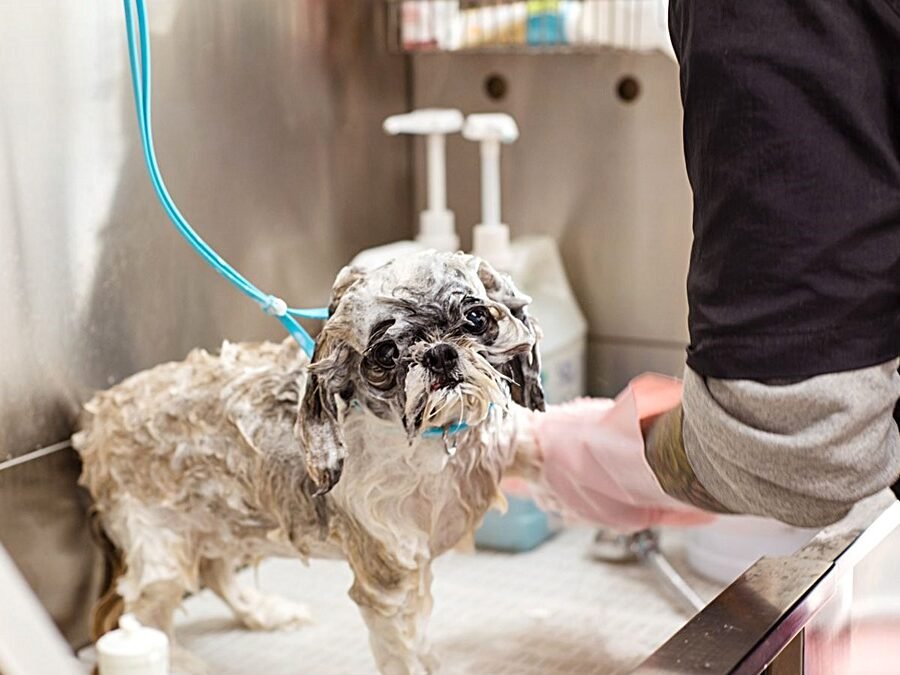
Grooming may be another service. Basic brushing or bathing can add value, while specialized grooming generally requires additional training and equipment.
The job can also involve home-related responsibilities. A sitter may bring in packages, check doors, keep pet areas clean, or make sure the home is secure after a visit.
How to Become a Professional Pet Sitter
The path into pet sitting is relatively accessible. You do not necessarily need a university degree or years of formal education, but practical experience and professional preparation can make a major difference.
1. Gain Hands-On Animal Experience
Start by working with animals before taking paying clients. Experience can come from caring for your own pets, helping friends or relatives, volunteering at an animal shelter, or working in a pet store, kennel or cattery.
This experience teaches you how different animals behave. A calm dog may need very different handling from an anxious rescue dog, while an independent cat may have completely different needs from a kitten.
Indeed recommends gaining experience with different animals before starting pet-sitting work, including through volunteering or other animal-related roles.
For additional background on the basic pathway into this career, see this pet sitter career guide. The guide emphasizes practical animal-care skills, professional profiles, clear policies, marketing and building trust with owners.
2. Learn Animal Behavior and Safety
Animal lovers often assume affection is the most important qualification. It helps, but safety and observation skills matter just as much.
You should learn how to recognize basic signs of stress, fear, discomfort and unusual behavior. You should also understand safe leash handling, appropriate interactions between animals, and how to prevent common household hazards.
A professional sitter should know when an animal’s behavior is outside normal expectations and when the owner or veterinarian needs to be contacted.
3. Consider Pet-Sitting Training
Formal pet-sitter training is not always mandatory, but it can strengthen your skills and make clients more comfortable hiring you.
Useful subjects include animal behavior, pet safety, handling techniques, sanitation, emergency procedures and basic first aid. Pet first-aid and CPR training can be particularly useful for someone responsible for animals without their owners present.
Indeed notes that pet-sitter training can help people learn about behavior, safety and first aid, while also giving potential clients additional confidence.
You can also look for local or online animal-care courses. The right course depends on your location and the types of animals you plan to serve.
4. Get the Right Insurance
Insurance is an important part of turning occasional pet sitting into a professional service.
Liability coverage can help protect a sitter against certain accidents, injuries or other covered incidents. The exact protection varies between policies, so it is important to check coverage limits, exclusions, deductibles and the activities included in the policy.
Indeed specifically recommends researching liability insurance before starting professional pet-sitting work.
Insurance should not replace good safety practices. Clear client instructions, secure handling and careful record keeping remain essential.
5. Prepare a Professional Profile
Your profile is often the first impression a potential client receives.
Include your animal-care experience, services, availability, service area, relevant training and references. If you have volunteered at a shelter or worked with animals professionally, explain what you learned rather than simply listing the experience.
Photos can help, but professionalism matters more than having a large collection of pet pictures. A clear profile should tell owners what you can do, which animals you accept, and how you handle communication and emergencies.
6. Decide Which Services You Will Offer
Not every sitter needs to offer every service.
You might begin with dog walking and home visits, then add overnight sitting, cat care, puppy visits, feeding visits or basic grooming as your experience grows.
Specialized services should match your actual skills. Do not advertise medication administration, difficult-dog handling or grooming if you have not learned how to perform those tasks safely.
A clear service menu also makes pricing easier because clients know exactly what each booking includes.
Pet Sitter Skills That Employers and Clients Want
Strong pet care depends on more than animal knowledge. Reliability is one of the most valuable qualities because owners need confidence that their pets will receive care at the agreed time.
Communication is equally important. A sitter should be able to understand written instructions, ask questions before a booking begins, and give owners useful updates during the assignment.
Time management becomes especially important when handling several visits in one day. Travel between homes, feeding schedules, walking appointments and unexpected delays all need to be considered.
Other useful skills include:
- Patience with nervous or difficult animals
- Attention to detail
- Basic animal first aid
- Safe dog handling
- Understanding of animal body language
- Cleanliness and hygiene
- Problem-solving
- Smartphone and scheduling skills
- Professional customer service
A current Indeed guide also highlights communication, personalized care, safety, understanding client instructions and maintaining a clean environment as important parts of quality pet sitting.
Where Can You Find Pet Care Jobs?
There are several ways to enter the industry.
Pet-sitting platforms and online job boards can connect sitters with owners. Local pet-care businesses may also hire employees or independent contractors. Animal shelters, kennels, boarding businesses and some veterinary environments can provide related experience.
You can also build your own client base. This approach gives you more control over your schedule and services but requires marketing, administration and customer management.
For another perspective on pet-sitting careers and employment opportunities, read the Pulivarthi Group pet sitter guide. It discusses responsibilities, possible workplaces, useful skills and related animal-care roles.
How to Build Your Own Pet-Sitting Business
Starting independently can be simple at first, but professionalism becomes increasingly important as the number of clients grows.
Begin by choosing a service area that you can realistically cover. Too much travel between appointments can reduce your earnings and make it harder to arrive on time.
Create a basic business profile that lists your services, rates, availability, contact information and policies. Your policies should cover cancellations, late requests, key access, emergency contacts and what happens if an animal becomes sick.
A meet-and-greet before the first booking is also useful. It gives you an opportunity to meet the pet, learn the routine, inspect the environment and discuss expectations with the owner.
Keep written instructions for every animal. Include feeding amounts, medication directions, walking preferences, veterinarian contact details, emergency contacts and behavioral notes.
How Much Can a Pet Sitter Make?
There is no single national income figure that accurately represents every pet sitter because earnings depend heavily on location, demand, experience, schedule and business model.
The Pulivarthi Group guide reports an estimated range of $25,000 to $35,000 annually for entry-level sitters and $35,000 to $50,000 or more for experienced sitters, while also noting that location, demand, experience and services affect earnings. These figures should be treated as that source’s estimates rather than a guaranteed salary.
Freelance sitters may price individual visits, walks, overnight stays or packages rather than receiving a traditional salary. That means gross revenue is not the same as take-home income.
Travel costs, insurance, taxes, supplies, platform fees and unpaid administrative time can reduce what an independent sitter actually keeps.
For current U.S. employment examples, Indeed listings show that actual advertised pay can vary substantially by employer and location, with some current postings offering hourly rates and additional benefits.
How to Build Trust and Get Repeat Clients
Trust is the foundation of a successful pet-sitting business.
Owners are giving you access to their pets and, often, their homes. Arriving on time, following instructions carefully and communicating consistently can matter more than offering the cheapest price.
Send useful updates instead of generic messages. A short note explaining that the dog ate normally, completed the walk, and is resting comfortably gives the owner meaningful information.
Photos can also be helpful when appropriate, but the priority should always be the animal’s care.
After completing a booking, ask satisfied clients whether they would be comfortable leaving a review or referral. Repeat customers can make scheduling more predictable and reduce the need to constantly find new clients.
The Allpet guide similarly emphasizes clear communication, client testimonials, marketing and trust as important parts of developing a pet-sitting service.
Safety Rules Every Pet Sitter Should Follow
Never assume that every animal will behave like your own pet.
Ask owners about triggers, allergies, escape risks, aggression history, feeding restrictions and medical needs before accepting a booking. Confirm which doors, gates and leashes should be used.
Keep emergency contact information accessible. If an animal becomes seriously ill, injured or disappears, follow the owner’s emergency instructions and seek appropriate professional help rather than attempting treatment beyond your training.
Do not give an animal unfamiliar food or medication without clear authorization. Similarly, avoid introducing new activities simply because you think the pet might enjoy them.
A professional sitter’s job is to follow the agreed care plan while keeping the animal safe.
Pet Care Jobs: Career or Side Hustle?
Pet sitting can work in either format.
Someone with limited availability can begin with weekend visits, evening walks or occasional holiday bookings. Another person may build enough recurring clients to make pet care a primary source of income.
The difference often comes down to reliability, service quality, demand in the local market and how well the sitter manages the business side.
If you enjoy animals but want a broader career, pet sitting can also introduce you to related fields such as dog walking, grooming, training, shelter work and veterinary support.
FAQs About Pet Care Jobs
1. How do I become a professional pet sitter?
Gain hands-on animal experience, learn basic safety and animal behavior, consider pet-care training, obtain suitable insurance, create a professional profile and begin building clients through reputable channels.
2. Do I need a degree to become a pet sitter?
A college degree is generally not required for basic pet sitting. Practical animal experience, safety knowledge, reliability and good communication are often more relevant to entry-level work.
3. Can I become a pet sitter without experience?
You can start by gaining informal experience with friends’ or relatives’ pets, volunteering at shelters, or working in another animal-care setting before accepting paying clients.
4. Do pet sitters need insurance?
Insurance requirements vary by location and business arrangement, but liability insurance is an important consideration for independent professional sitters. Indeed recommends researching appropriate coverage before beginning work.
5. What services can a pet sitter offer?
Services may include feeding, walking, companionship, home visits, overnight care, litter-box cleaning, medication support and basic grooming, depending on the sitter’s skills and agreements with clients.
6. Is pet sitting a good side job?
Yes. Pet sitting can be suitable as a part-time job because bookings may be scheduled around other commitments. Demand can also increase when owners travel or need additional help.
7. How can I find my first pet-sitting clients?
Start with people you already know, local community networks, reputable pet-care platforms, animal-related businesses and professional referrals. Reviews and recommendations can become valuable once you have completed several successful bookings.
8. What makes a successful professional pet sitter?
Reliability, safe animal handling, attention to detail, communication, patience and consistent follow-through are among the most important qualities. Professionalism is just as important as enjoying animals.
9. Can pet sitting become a full-time career?
Yes, although the feasibility depends on local demand, pricing, recurring clients, operating costs and the number of bookings you can safely manage. Independent sitters should distinguish gross revenue from actual take-home income.
10. What should I do if a pet becomes sick while I am sitting?
Follow the owner’s emergency instructions, contact the designated emergency contact and seek veterinary assistance when appropriate. Do not attempt medical procedures outside your training or authorization.
Must read our other blogs:
Ollie Pet Food: A Complete Guide to Choosing the Right Food for Your Dog